Leave Your Message

What Is the Best Small Passenger Boat to Buy?

Choosing the best Small Passenger Boat depends on how, where, and how often you plan to use it. A quiet lake boat needs different features from a coastal shuttle or family day cruiser. Passenger capacity, hull design, stability, fuel use, and storage space deserve careful attention. Bigger is not always better.

Experienced boat owners often inspect the deck layout before admiring the engine. A clear boarding area, secure handrails, comfortable seating, and visible navigation controls can improve every trip. Look closely. The boat should feel balanced when passengers move around. A short sea trial can reveal vibration, steering delays, poor visibility, or uncomfortable seating that photographs hide.

This guide compares practical boat types, including compact pontoons, center-console models, cabin boats, and electric passenger craft. It considers purchase price, maintenance access, resale value, weather protection, and operating range. Manufacturer specifications matter, but real-world testing matters more. Ask how the boat performs when fully loaded, not when empty at the dealership. Some recommendations may remain imperfect because local water conditions and personal expectations differ. That uncertainty deserves honest attention. A reliable choice should match your actual passengers, launch facilities, budget, and safety habits. The best boat is not simply the fastest or newest. It is the one you can operate confidently, maintain consistently, and enjoy for many seasons.
What Is the Best Small Passenger Boat to Buy?

Small Passenger Boat Types and Their Main Uses

Choosing the best small passenger boat starts with its main use, not its appearance. A runabout suits short trips on calm lakes, fishing, and family outings. It has simple controls and open seating. However, exposed passengers may feel uncomfortable in cold rain or strong wind.

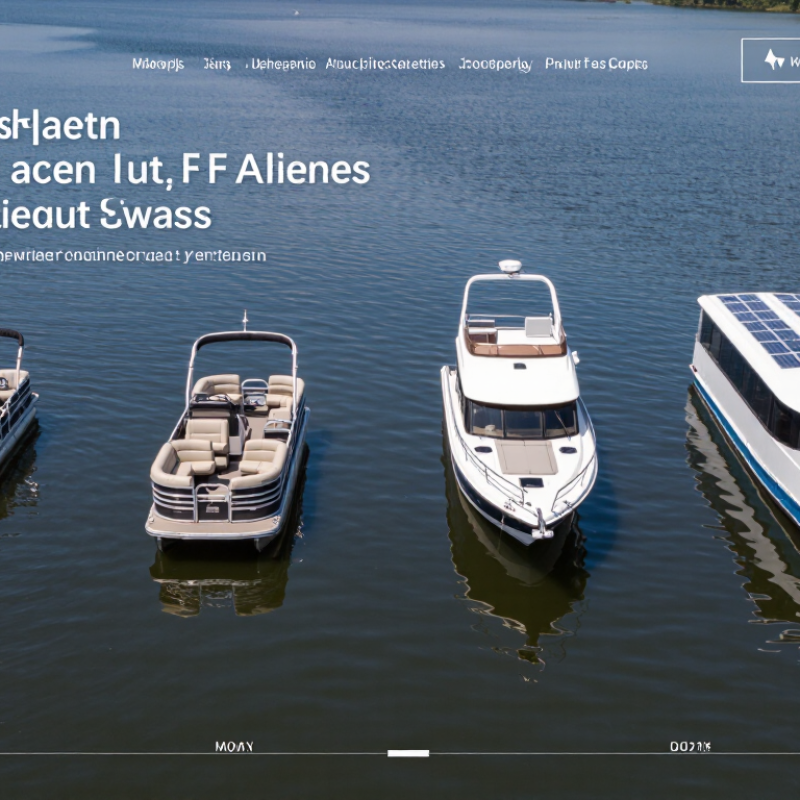
A pontoon boat offers a wide, stable deck for groups, elderly passengers, and relaxed sightseeing. Its shallow draft works well near quiet shorelines. It is less suitable for narrow channels or rough open water. A rigid inflatable boat, or RIB, provides better maneuverability and shock absorption. It can serve for coastal transfers, harbor support, and short rescue training exercises. Passengers should still wear properly fitted life jackets.

For longer journeys, a small cabin cruiser gives passengers shelter, storage, and sometimes sleeping space. The extra equipment adds weight, maintenance, and fuel costs. That trade-off is easy to underestimate. A compact passenger ferry or workboat is more practical for repeated transport between docks. It usually needs stronger boarding areas, handrails, non-slip flooring, and clear passenger limits.

In real inspections, I check the hull condition, bilge area, steering response, ventilation, and emergency equipment. I also measure the boarding height. Small details matter. A boat that feels ideal at the dock may become tiring after two hours underway. Seating layout, engine noise, weather protection, and access for less mobile passengers deserve equal attention. The best choice depends on water conditions, passenger numbers, trip length, and the operator’s maintenance skills. No design solves every need.

Key Factors for Comparing Small Passenger Boats

What Is the Best Small Passenger Boat to Buy?

Key Factors for Comparing Small Passenger Boats

Choosing a small passenger boat starts with its real operating purpose, not its appearance. A vessel carrying six people on calm lakes needs different features from one used near coastal currents. Check the approved passenger capacity carefully. More seats can reduce free deck space, stability, and comfort.

Hull design deserves close attention. A wider hull usually feels steadier, while a narrower hull may move more efficiently through the water. Step aboard and notice how much the deck shifts. It matters.

Inspect the seating layout, handrails, non-slip surfaces, boarding points, and visibility from the helm. Passengers should move without crossing the operator’s controls. Children and older adults may need lower steps and firmer support. Storage should keep loose bags away from walking areas. Small details become important during a busy trip.

Engine choice affects noise, fuel use, maintenance, and maneuverability. Ask about service access, replacement parts, cooling systems, and expected operating hours. A quiet engine improves conversation, but quietness alone proves little. Test the boat at low and moderate speeds if possible. Observe turning, stopping distance, vibration, and water spray.

Build materials also require practical judgment. Aluminum can be durable and relatively light, while composite construction may offer a smoother finish. Neither option removes maintenance needs. Look beneath seats, around fittings, and inside compartments for moisture or poor sealing. A polished boat can still hide careless workmanship.

Finally, compare safety equipment, flotation provisions, lighting, and local passenger-vessel requirements. Request inspection records and a written maintenance history. I would leave room in the budget for training and repairs. The cheapest purchase may become the most expensive after one difficult season.

How to Match Boat Features With Passenger Needs

Choosing the best small passenger boat begins with the people aboard, not the engine size. A fishing crew needs open deck space, while families may value shade, secure seating, and easy boarding. The 2023 NMMA Recreational Boating Statistical Abstract recorded about 11.6 million registered recreational boats in the United States. That broad market includes very different passenger needs.

Safety features should match real movement on the water. For older passengers, wide walkways, strong handholds, nonskid flooring, and a low boarding step matter more than extra speed. Children need protected seating and clear supervision areas. The U.S. Coast Guard reported 3,844 recreational boating injuries in 2023, with falls overboard and collision-related events remaining important concerns. A stable hull, generous freeboard, and balanced passenger loading deserve careful attention. Seat count can mislead.

Range also depends on passenger weight, weather, and cruising speed. A boat that carries six people comfortably may feel crowded with coolers and fishing gear. Check its capacity label, then test the layout with similar luggage. Do not rely only on a showroom impression. A dockside trial can reveal awkward steps, blocked sightlines, or difficult controls. I would rather accept fewer seats than create a cramped cockpit. One overlooked detail can change the whole trip. Also, buying more horsepower than needed may increase fuel use without improving comfort. The NMMA report’s fuel and ownership trends support comparing operating costs, not only purchase prices.

What Is the Best Small Passenger Boat to Buy?

Typical passenger capacity by small-boat category helps match vessel features with the size and comfort needs of each passenger group.

Capacity figures are typical operating ranges for commonly configured small boats. The legal passenger limit depends on the vessel’s design, stability, safety equipment, loading conditions, and local regulations.

Safety, Comfort, Maintenance, and Operating Costs

Choosing the best small passenger boat starts with safety, not appearance. Check the stated passenger capacity, flotation design, steering response, and emergency equipment. A stable hull should feel predictable when passengers move across the deck. Test it in calm water, but remember that calm conditions can hide weaknesses. Inspect navigation lights, handrails, bilge pumps, fire protection, and life jackets before purchase.

Comfort affects every trip. Look for dry seating, enough legroom, shade, and clear movement around the cockpit. A narrow walkway may seem acceptable during a short inspection, then feel frustrating with four passengers and coolers aboard. Noise also matters. A quieter engine area makes conversation easier and reduces fatigue. Small details count.

Maintenance and operating costs can change the real price quickly. Open engine access, standard service parts, and simple electrical systems usually reduce repair time. Ask for service records and inspect hoses, belts, corrosion, and the propeller. Fuel use depends on load, speed, hull condition, and weather. Storage, insurance, registration, winterizing, and routine inspections belong in the budget too. I would rather accept modest seating than buy a crowded boat with expensive upkeep. Still, this judgment is imperfect; a boat that suits one family may feel uncomfortable to another. Take a practical sea trial. Pay attention to vibration, steering effort, boarding height, and how easily passengers can sit down.

How to Choose the Best Small Passenger Boat for Your Budget

What Is the Best Small Passenger Boat to Buy?

How to Choose the Best Small Passenger Boat for Your Budget

Your budget should cover more than the purchase price. In 2023, the National Marine Manufacturers Association reported about 11.6 million registered recreational boats in the United States. That large market includes affordable used boats, but condition varies sharply. Set aside money for a trailer, insurance, registration, safety equipment, storage, fuel, and routine repairs. A boat costing $18,000 may require another $3,000 before its first launch.

Match the boat to your real passenger needs. A compact center-console boat can suit four adults and light coastal trips. A wider pontoon-style layout offers easier boarding and better seating, but it may need more storage space. Check the capacity plate, engine hours, hull repairs, steering response, and trailer brakes. Ask for a cold engine start. Warm engines can hide problems. Do not trust a polished interior alone.

Safety should influence the price, not follow it. The U.S. Coast Guard recorded 3,844 recreational boating accidents, 556 deaths, and 2,126 injuries in 2023, according to its Recreational Boating Statistics report. Buy properly sized life jackets, navigation lights, a fire extinguisher, and communication equipment. Inspection by a qualified marine technician is sensible for used boats. I once underestimated transport and winter storage costs; that mistake changed the budget quickly. Leave room for surprises. Small boats still create large bills.

What Is the Best Small Passenger Boat to Buy? - How to Choose the Best Small Passenger Boat for Your Budget

A practical comparison of common small passenger boat types using typical specifications and indicative U.S. market prices.

Boat Type Typical Length Typical Passenger Capacity Typical Engine Typical New Price (USD) Approximate Fuel Economy Best For Main Consideration
Inflatable RIB 10–16 ft 4–8 people 10–60 hp outboard $5,000–$30,000 About 2–6 mpg at cruising speed Shallow-water trips, beach access, tender use Inflatable tubes require inspection and proper storage
Aluminum Utility Boat 12–16 ft 3–6 people 9.9–40 hp outboard $4,000–$18,000 About 3–8 mpg at cruising speed Fishing, lakes, rivers, and practical transport Basic seating and limited protection from weather
Small Center Console 15–19 ft 5–8 people 40–115 hp outboard $18,000–$55,000 About 2.5–5 mpg at cruising speed Coastal cruising, fishing, and versatile family use Higher purchase and operating costs than utility boats
Small Bowrider 16–20 ft 6–8 people 90–200 hp outboard or sterndrive $25,000–$70,000 About 2–5 mpg at cruising speed Family outings, swimming, and watersports Open layout offers less shelter in rough weather
Pontoon Boat 16–22 ft 6–10 people 40–150 hp outboard $20,000–$65,000 About 2–6 mpg at cruising speed Comfortable group transportation on calm water Large footprint and lower maneuverability in tight spaces
Small Cabin Boat 16–22 ft 4–6 people 60–150 hp outboard or sterndrive $25,000–$80,000 About 2–5 mpg at cruising speed Day trips requiring shade, storage, or basic shelter Cabin space reduces open deck area and adds weight
How to choose: Consider the number of passengers, water conditions, storage space, towing capacity, engine maintenance, insurance, fuel, registration, and trailer costs. Prices and performance vary by construction, equipment, engine size, local regulations, and market conditions. Always verify the manufacturer’s capacity plate and safety requirements before purchase.