Why Choose a Fiberglass Yacht for Your Next Adventure?
When considering a sailing adventure, the choice of a yacht is crucial. A fiberglass yacht offers a blend of durability and performance that appeals to many sailors. John Smith, a renowned expert in the yachting industry, once stated, "Fiberglass yachts offer unmatched resilience, making them ideal for diverse waters." This insight reinforces the growing preference for fiberglass among sailors.
Fiberglass yachts stand out for their lightweight construction and resistance to corrosion. Their maintenance is generally simpler than other materials. This suggests a less stressful ownership experience. However, some may worry about the environmental impact of fiberglass. It raises questions about sustainability in yachting.
Choosing a fiberglass yacht is not without its considerations. Sailors must evaluate their needs, budget, and the type of adventures they envision. Ultimately, the decision can shape unforgettable experiences on the water. The reliability and performance of a fiberglass yacht make it a worthy option for many seeking adventure.
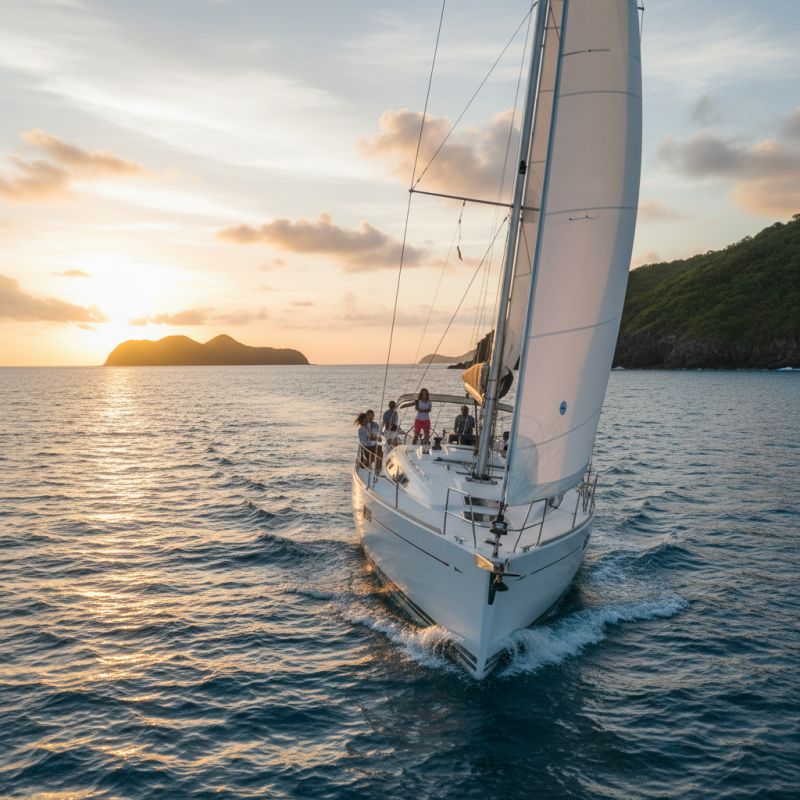
Advantages of Fiberglass Yachts Over Other Materials
Fiberglass yachts are increasingly popular among sailors and adventurers. One major advantage is their durability. Unlike wood, fiberglass resists rot and decay. This means fewer repairs and more time on the water. Many sailors appreciate the lightweight nature of fiberglass, which allows for better speed and maneuverability. It feels good to glide over waves effortlessly.
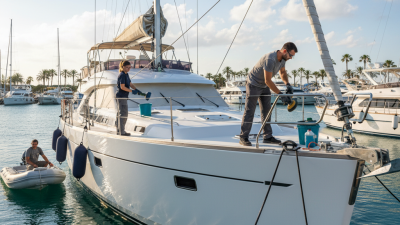
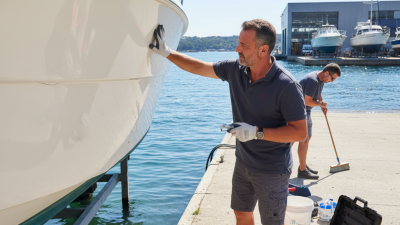
Another notable benefit is maintenance. Fiberglass requires less upkeep than metal or wooden boats. A simple wash often suffices to keep it looking pristine. While it’s important to inspect for damage, fiberglass typically holds up well over years of use. Many boaters have noticed that, after years, their fiberglass yachts still shine like new.
Comfort is another reason to choose fiberglass. They often have better insulation, making them quieter and more comfortable at sea. This can be especially pleasant during long journeys. However, one should not overlook any potential downsides, such as the environmental impact of production. While fiberglass has many benefits, thoughtful consideration is required for every material choice.
Durability and Maintenance of Fiberglass Yachts
Fiberglass yachts are favored for their impressive durability and low maintenance needs. These boats can withstand harsh marine environments, making them reliable for adventurous voyages. According to industry reports, fiberglass hulls exhibit resistance to rot, corrosion, and UV damage. They are built to last, often outliving their owners. This durability is essential for those who seek long-term investments in their maritime adventures.
Maintenance for fiberglass yachts is surprisingly straightforward. Regular cleaning with soap and water is typically sufficient to keep the surface looking pristine. Unlike wood yachts, fiberglass doesn’t require seasonal revarnishing. A study from the National Marine Manufacturers Association shows that fiberglass boats retain more value over time than other materials. While small repairs may be needed, often they are manageable with simple epoxy kits.
Despite these advantages, some boat owners encounter issues with gelcoat blisters or stress cracks. These problems can arise from inadequate care or extreme conditions. It’s essential to routinely inspect the yacht for signs of wear. Knowledge of maintenance techniques can enhance the longevity of the vessel. Being proactive can prevent larger, costlier issues down the line.
Durability and Maintenance Comparison of Fiberglass Yachts
Performance and Stability in Various Water Conditions
When it comes to choosing a yacht for your adventures, fiberglass stands out for its remarkable performance. It excels in various water conditions, giving you peace of mind. The lightweight nature of fiberglass improves speed and maneuverability. In turbulent waters, fiberglass hulls maintain stability, ensuring a safer ride.
Navigating through choppy seas can be daunting. Yet, fiberglass yachts often handle waves with grace. Their flexibility allows them to absorb shocks. This results in a smoother journey for all on board. However, it's crucial to understand that performance can vary based on design and maintenance.
Stability is not just about construction; it's also about how the yacht is equipped. The placement of weight affects balance. An overpacked hull can lead to instability, so careful planning is essential. Engaging with experienced sailors can offer valuable insights into maximizing your yacht's performance.
Cost-Effectiveness of Fiberglass Yachts for Adventurers
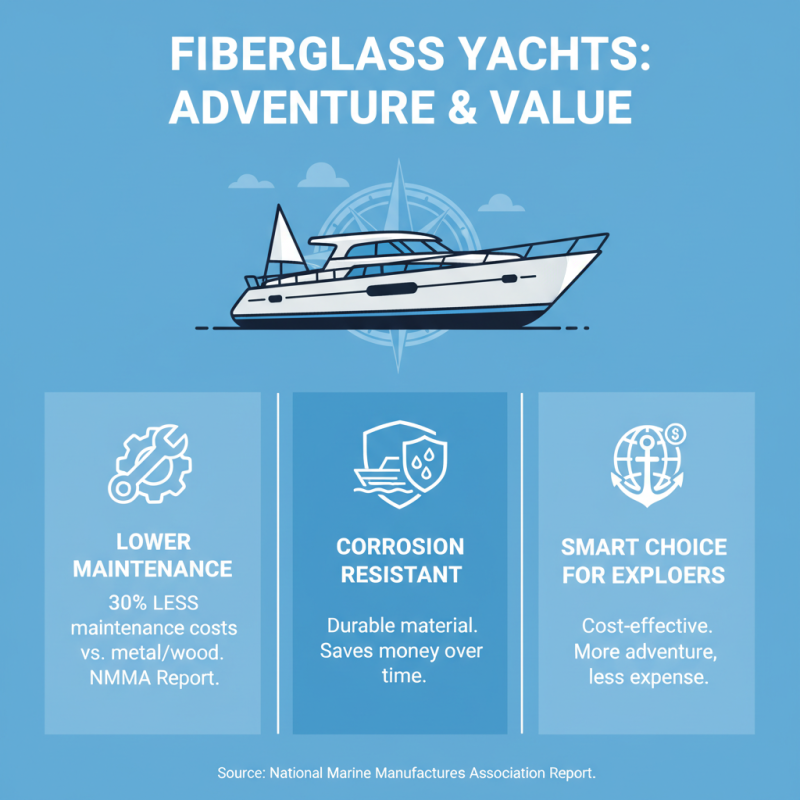
Cost-effectiveness is a key factor when choosing a yacht for adventure. A fiberglass yacht typically costs less to maintain than metal or wooden counterparts. According to a report from the National Marine Manufacturers Association, maintenance costs can be reduced by nearly 30% with fiberglass. This material’s resistance to corrosion saves owners significant amounts over time.
Fiberglass also offers durability. A study by the BoatU.S. Foundation indicates that well-maintained fiberglass yachts can last over 30 years. This longevity contributes to lower ownership costs. While initial purchase prices might seem high, the long-term savings on repairs and maintenance make fiberglass a wise investment.
Moreover, many fiberglass yachts feature lightweight designs, improving fuel efficiency. According to Marine Insight, fuel consumption can decrease by up to 15%. This factor is crucial for adventurers looking to travel great distances while keeping operational costs manageable. However, prospective buyers should also consider potential environmental impacts. Recycling fiberglass is challenging, and that’s worth reflecting on before making a purchase.
Environmental Impact and Sustainability of Fiberglass Manufacturing
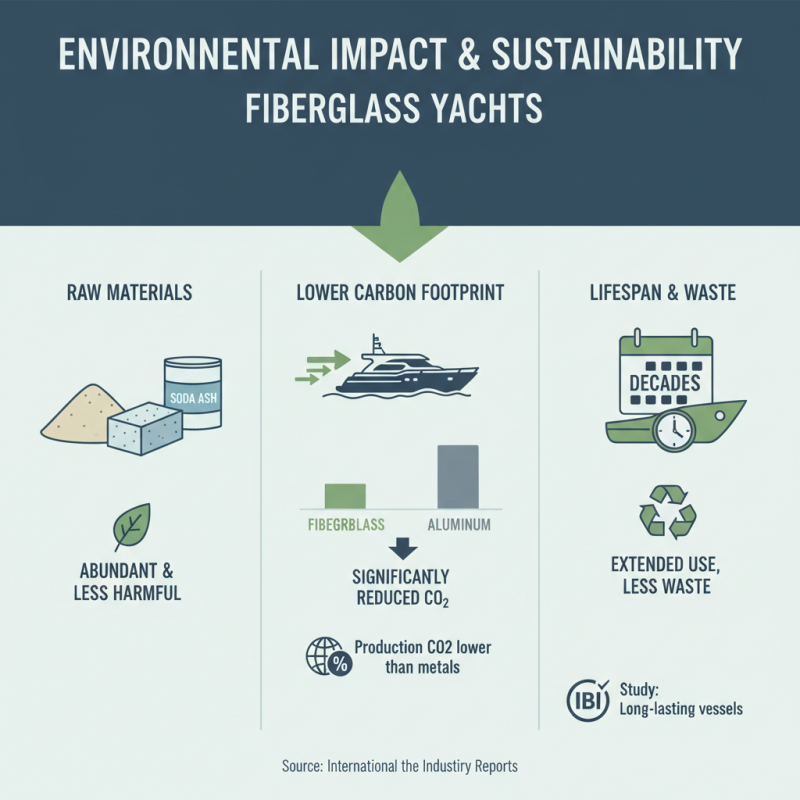
Fiberglass yachts are gaining attention for their environmental benefits. The manufacturing process of fiberglass involves using materials derived from sand, limestone, and soda ash. These raw materials are abundant and less harmful than other yacht construction materials. Reports suggest that the carbon footprint for fiberglass production is significantly lower compared to metals like aluminum. A study by the International Boat Industry found that fiberglass boats can last decades, reducing waste over time.
However, sustainability in fiberglass yacht manufacturing isn't perfect. The production process generates waste, and some chemicals used can be hazardous if not handled properly. The industry is working on improving these practices. For instance, advances in recyclable fiberglass are making waves. This innovation allows for old hulls to be reused, minimizing landfill contributions.
While fiberglass has advantages, challenges remain. Recycling infrastructure is still developing. There are few facilities capable of processing old fiberglass without losing its structural integrity. Awareness is growing, and many manufacturers aim to improve sustainability efforts. The journey towards fully eco-friendly fiberglass yachts continues, reflecting the industry's commitment to a greener future.