How to Choose the Right Small Passenger Boat for Your Needs?
Choosing the right small passenger boat is crucial for ensuring comfort and safety during your maritime adventures. According to the National Marine Manufacturers Association, the small boat segment has seen a growth of over 10% in recent years. This demonstrates an increasing demand for versatile and reliable vessels. However, selecting an appropriate boat can be challenging due to the myriad of options available.
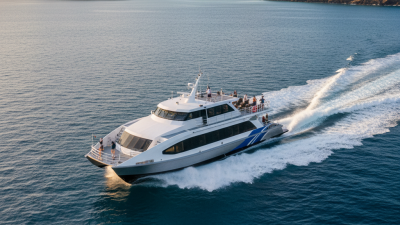
Various factors influence your choice, such as capacity, intended use, and budget. A small passenger boat typically accommodates six to twelve individuals. Boats within this category can vary in design and purpose. For example, some are suitable for leisure, while others are better for commercial transport. Understanding these distinctions empowers you to make informed decisions.
It's essential to reflect on your specific needs and preferences. Are you looking for speed, stability, or ease of maintenance? Your choices may lead to unexpected challenges. For instance, a vessel with higher capacity may compromise speed and maneuverability. Balancing these considerations requires careful thought and research. Investing time in evaluating your options can significantly enhance your boating experience.
Understanding Your Specific Passenger Transport Needs
When selecting a small passenger boat, identifying your specific transport needs is crucial. Different boats cater to various passenger capacities, travel distances, and operational purposes. The National Marine Manufacturers Association reported that small boats, especially those under 26 feet, account for over 70% of new boat sales. Understanding this statistic helps delineate the options available.
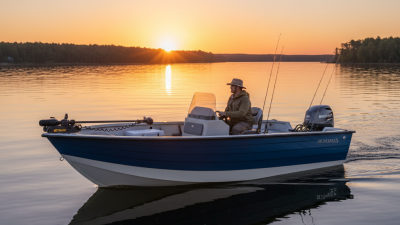
Consider the purpose of the boat. Are you planning on leisurely trips, fishing expeditions, or shuttle services? Each use will dictate the features you need. For example, a fishing boat may require additional storage and weather-proof features, while a leisure craft might prioritize comfort and seating arrangements. Furthermore, the boat’s capacity influences how it handles water conditions. Boats designed for small groups might not perform well in rough waters, highlighting the need for careful evaluation.
Additionally, safety equipment and regulatory compliance are areas that demand attention. According to the U.S. Coast Guard, improper safety measures contribute to a significant portion of boating accidents. Ensure that the boat you choose comes with essential safety gear and meets local regulations. This approach reflects a proactive stance in risk management, enhancing both your safety and that of your passengers.
Evaluating Different Types of Small Passenger Boats
When evaluating different types of small passenger boats, several factors come into play. Use cases vary widely, from leisurely day trips to shuttle services. According to the National Marine Manufacturers Association (NMMA), small boats account for over 60% of boat ownership in the United States. This highlights their popularity and versatility.
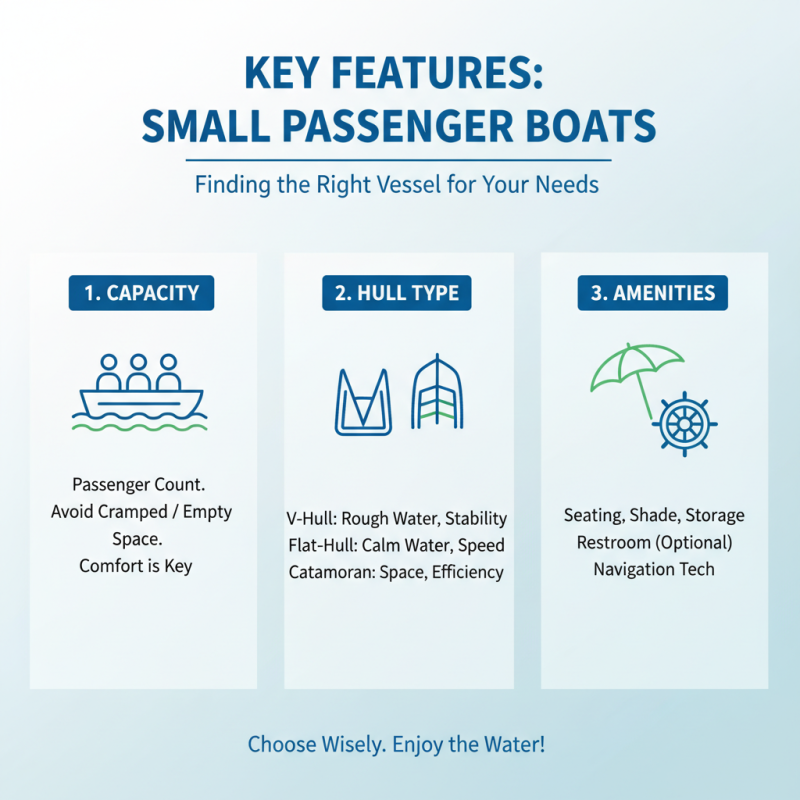
There are several design categories to consider. Monohull boats tend to offer stability and better fuel efficiency. In contrast, catamarans provide extra space and can accommodate more passengers. Depending on the intended use, choosing the right hull design can make a significant difference. A report from the International Marine Organization showed that performance can vary drastically among different boat types.
Cost should also be a primary consideration. The average entry cost for a small passenger boat can range from $25,000 to $100,000, depending on size and equipment. Maintenance costs can be another hidden factor; older models may require more upkeep, impacting budget. Inadequate planning can lead to unexpected expenses. Ultimately, understanding your specific needs will guide you to the right choice.
Types of Small Passenger Boats
Key Features to Consider in Small Passenger Boats
When selecting a small passenger boat, consider the key features that meet your needs. One important aspect is capacity. Determine how many passengers you’ll typically carry. This will help you choose a boat that’s not too spacious or too cramped. A boat that feels too tight can spoil the experience.
Another critical feature is the type of propulsion. Options include inboard, outboard, or electric motors. Each type offers different advantages, such as speed, efficiency, and maintenance. Research which propulsion suits your intended usage. Efficiency may save you money, but speed is thrilling. Find the balance that fits your lifestyle.
**Tips:** Look at the layout of the boat. A well-designed layout enhances comfort and functionality. Additionally, check the safety features. Good boats should have life jackets, fire extinguishers, and easy-to-reach safety equipment. Prioritize safety, especially if you have children on board.
When considering storage, think about where you’ll keep gear and supplies. Lack of storage might lead to clutter, which complicates things. A few cleverly placed compartments can make a huge difference. Ultimately, evaluating these features shapes your boating experience. Prioritize what matters to you, but keep an open mind about adjustments.
Assessing Budget and Cost of Ownership
When choosing a small passenger boat, budget is key. Determine how much you can afford before making a decision. Costs don’t end with the purchase price. Maintenance, insurance, and storage add up. All these factors matter in evaluating overall ownership costs.
Consider the type of boating you want to do. Are you planning short trips or longer adventures? The boat size will influence fuel consumption. Smaller boats may seem cheaper but could have higher unexpected costs. Additionally, older boats might need more repairs. Newer models often come with warranties, reducing initial expenses.
Research is crucial. Look for testimonials and reviews. Many find they regret not considering all expenses upfront. You might feel overwhelmed at first. A solid budget plan can mitigate many of these worries. Be ready for some surprises along the journey. Ultimately, being well-informed will lead you to a boat that suits your needs without breaking the bank.
Safety Considerations and Regulatory Compliance in Boat Selection
When choosing a small passenger boat, safety should be the top priority. According to the U.S. Coast Guard, over 70% of boat accidents occur due to human error or lack of safety equipment. It's essential to consider the boat’s stability and design, as some models handle rough waters better than others. Ensure your selection meets or exceeds safety standards established by reputable organizations.
Regulatory compliance is another critical aspect. Each vessel must comply with local and national regulations. For instance, the American Boat and Yacht Council (ABYC) sets standards for boat construction and equipment, impacting safety performance. Failure to adhere to these guidelines can lead to severe repercussions. Additionally, insurance companies often require compliance for coverage, complicating the buying process.
Reflecting on your needs is vital. Some boats may seem perfect but lack essential safety features. Evaluating your planned usage, such as recreational activities or commercial purposes, will provide clarity. Researching available reports and expert assessments on boat safety can prevent costly mistakes, as past mishaps reveal gaps in safety practices. Seeking information from experienced boaters can also highlight practical issues that statistics might miss.