How to Choose the Right Small Fiberglass Boat for Your Needs?
Choosing the right small fiberglass boat is essential for any boating enthusiast. These boats offer versatility, durability, and ease of maintenance. However, the selection process can be daunting. You might find yourself torn between what features you want and what fits your budget.
Before making a decision, consider your intended use. Are you looking for a boat for fishing, leisurely rides, or family outings? The type of activities will significantly influence your choice. A small fiberglass boat designed for fishing may not serve well for family trips. Additionally, think about the number of passengers. Do you frequently take friends along, or do you prefer solo adventures?
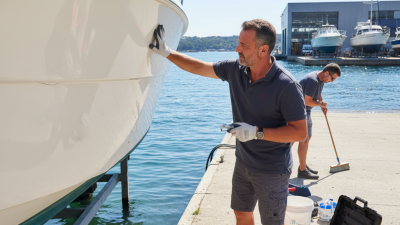
Another factor to reflect on is storage and transport. Small fiberglass boats can be lightweight, but some models may require a larger vehicle for towing. It’s crucial to assess your transportation options. Also, consider long-term maintenance. While fiberglass is known for durability, it's not entirely maintenance-free. Small damages can lead to bigger issues if not addressed. Making a thoughtful choice today can save you headaches tomorrow.
Understanding the Different Types of Small Fiberglass Boats Available
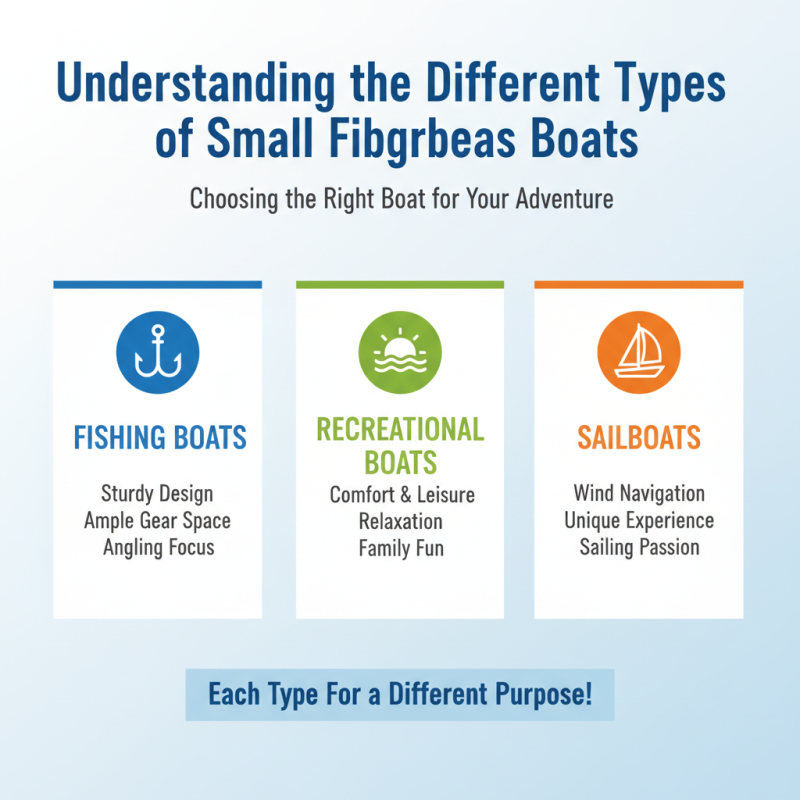
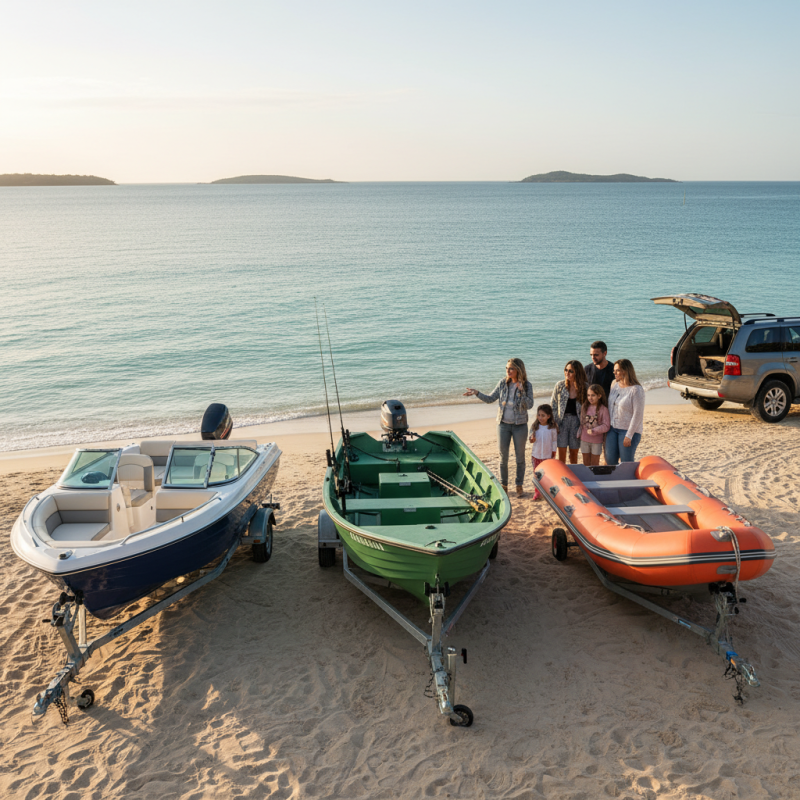
When choosing a small fiberglass boat, understanding the types is crucial. Each type serves different purposes. For example, there are fishing boats, recreational boats, and sailboats. Fishing boats often have sturdy designs with space for gear. Recreational boats, on the other hand, focus on comfort and leisure. Sailboats provide a unique experience of navigating with the wind.
Consider what activities you will prioritize. Will you fish? Or enjoy leisurely outings with family? If fishing is your main goal, look for features like rod holders and storage space. For family outings, ensure your boat has comfortable seating.
Tips: Think about the size and weight you can handle. A lightweight boat is easier to transport. However, larger boats offer stability. Don't forget to check for good craftsmanship. Look for any visible defects that might cause issues later. Choosing the right fiberglass boat requires careful thought. It's okay to feel overwhelmed at first, but take your time to learn.
Key Factors to Consider When Choosing a Small Fiberglass Boat
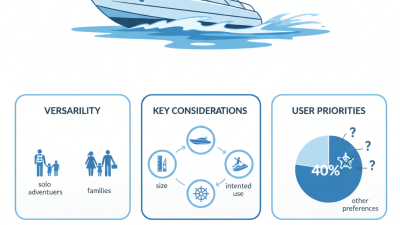
Choosing the right small fiberglass boat involves several key factors. First, consider your primary use. Will you be fishing, cruising, or simply enjoying a day on the water? Each activity may require a different type of boat design. Also, think about the number of passengers you expect to carry. A boat that feels cramped can make for an unpleasant experience.
Next, examine the boat's weight and size. Lighter boats are easier to transport and handle. However, they may compromise stability, especially in rough waters. Don’t overlook storage options either. An ideal boat should offer enough space for your gear.
Finally, reflect on budget considerations. Quality boats often demand a higher price tag. Weigh the costs against your needs carefully. Enjoyment and safety are paramount. A less expensive boat may not meet those standards, leading to possible regrets. It’s worth investing time in research. The right choice can make your time on the water truly special.
Assessing Your Needs: Recreational vs. Fishing Applications
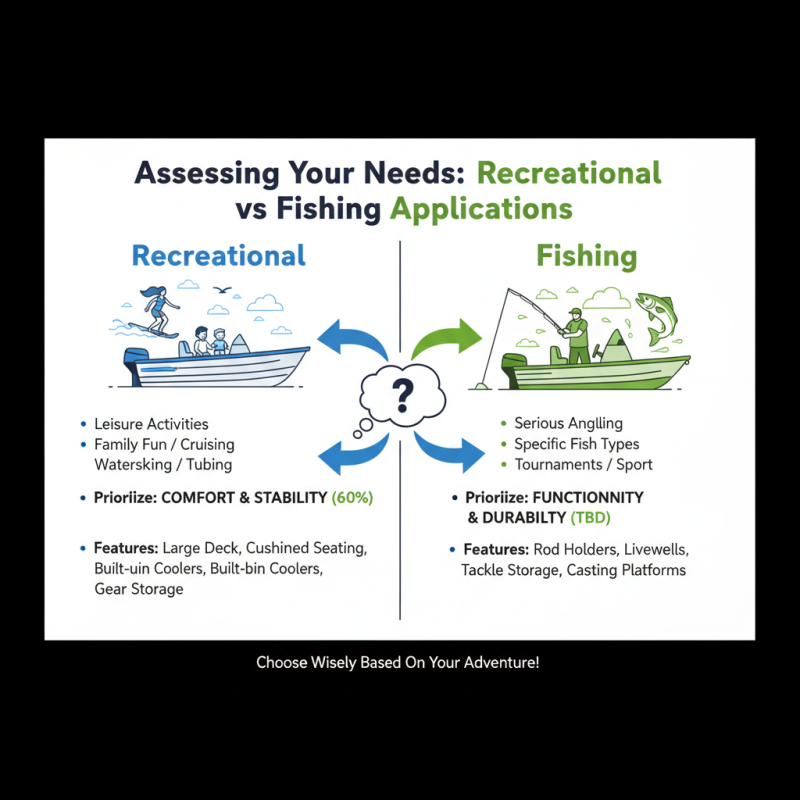
When choosing a small fiberglass boat, understanding its intended use is crucial. Recreational uses often involve leisurely activities like family outings, waterskiing, or simply cruising. According to industry reports, nearly 60% of boaters prioritize comfort and stability in recreational boats. A larger deck for relaxing or a cushioned seating area can enhance your day on the water. Features like built-in coolers or storage for gear also come in handy.
On the other hand, fishing applications require a different focus. Anglers often need boats that optimize space for equipment, storage for tackle, and accessibility to fishing spots. Data indicates that 75% of fishing boat buyers look for features such as live wells and rod holders. Reflecting on past experiences, many anglers find themselves wishing they had chosen a model with better stability for rough waters. This highlights the importance of individual needs. Identify what features mean the most to you. Make your choices based on personal leisure versus functionality. This step is essential for a satisfying boating experience.
Evaluating Size, Weight, and Storage Options for Small Boats
Choosing the right small fiberglass boat involves careful consideration of various factors.
Size and weight are crucial because they directly impact how you will use the boat.
For instance, a smaller boat is easier to transport, but might come with limitations on capacity and performance.
According to industry reports, a fiberglass boat weighing between 800-1,200 pounds typically offers the ideal balance for many recreational activities.
Storage options are also important. Think about where you will store your boat when not in use.
If you have limited garage space, a boat length of around 14-16 feet is often more manageable.
Compact boats can fit in tighter spots and take up less space, which is helpful.
Many owners prefer retractable features, as they simplify both storage and accessibility.
Tips: Consider how often you'll transport your boat. If frequent trips are planned,
lighter models are advantageous. Look at local regulations as well, since some areas have specific requirements regarding boat storage.
Being aware of these can save you headaches later.
Think about the boating community around you; local knowledge can be invaluable. Always reflect on your needs,
and remember, an underutilized boat can feel like a burden.
Cost Analysis: Budgeting for Purchase and Maintenance of Fiberglass Boats
When considering a small fiberglass boat, budgeting is crucial. The initial cost will vary based on size and features. Basic models can start at a few thousand dollars, while larger ones may reach over ten thousand. Always account for additional expenses. Storage fees, insurance, and registration can add up quickly. Maintenance needs can also be overlooked.
Regular upkeep is essential to keep the boat in prime condition. You might expect to spend around $10% of the purchase price annually on maintenance. This includes repairs, cleaning, and inspections. Failure to maintain can lead to bigger problems and higher costs later. Think about the unexpected.
Evaluate your actual usage versus your budget. Will you use it often enough to justify the investment? Sometimes, renting may be a better choice. Reflect on your needs and capabilities. Be honest about your commitment to care for the boat.