How to Choose the Best Mini Yacht for Your Needs?
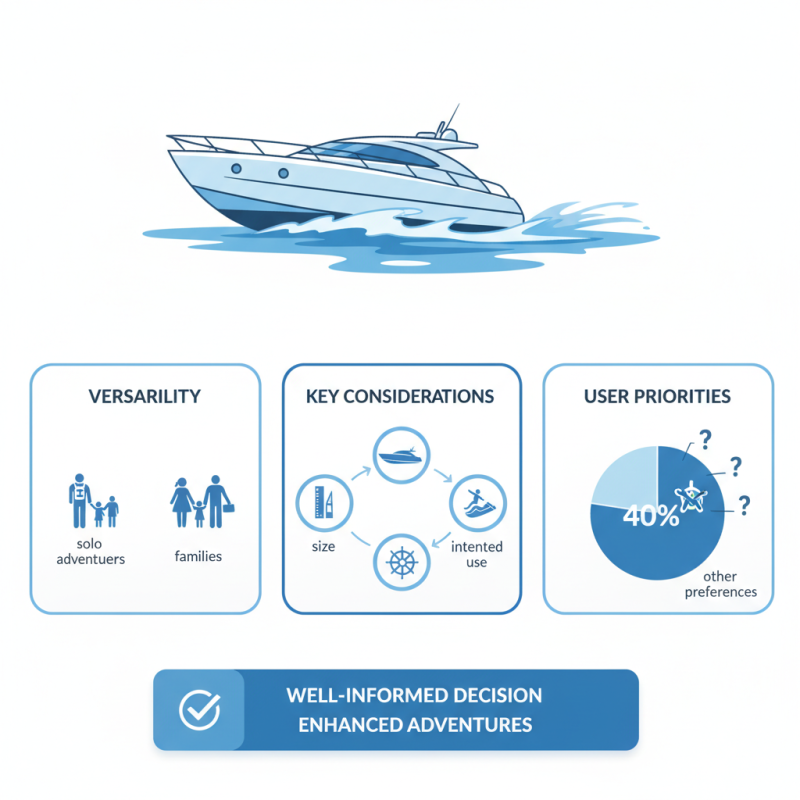
Choosing the right Mini Yacht is crucial for a satisfying boating experience. With the global mini yacht market projected to grow at a compound annual growth rate (CAGR) of 7.3% from 2021 to 2028, it's clear that many are seeking this compact vessel. Mini yachts are versatile, offering a perfect blend of comfort and performance. They appeal to various users, from solo adventurers to families.
It's essential to consider several factors when selecting a mini yacht. Factors include size, design, and intended use. For instance, a mini yacht designed for leisurely cruising may differ from one built for water sports. User preferences often lead to confusion, but knowing your needs can help narrow choices. According to a recent survey, over 40% of boaters prioritize ease of handling and maintenance.
While there are many options available, not every mini yacht will meet your expectations. Some models may lack necessary amenities, leaving users frustrated. It's vital to reflect on what attributes are most important to you. By doing so, you can make a well-informed decision that enhances your boating adventures and personal relaxation on the water.
Understanding the Different Types of Mini Yachts Available
When choosing a mini yacht, understanding the types available is crucial. Mini yachts come in various forms.
Sailboats offer a unique sailing experience. They are eco-friendly and perfect for leisurely outings.
Cabin cruisers provide more comfort for overnight stays. They usually include a small galley and a bathroom.
Open sailboats are simple and light. They are easy to handle for beginners. However, they lack enclosed space, which might be uncomfortable for some.
On the other hand, motor yachts deliver speed and comfort. They are excellent for those who prefer quick getaways.
However, fuel costs can be high.
Tip: Before deciding, consider your experience level. If you’re new to sailing, opt for a simpler design.
Look into the available space too. Ensure the yacht has room for your essentials. Test out different models to see what feels right.
Sometimes, it’s about finding balance. Don’t just pick the most stylish option. Practicality is key in the long run.
Determining Your Budget for a Mini Yacht Purchase
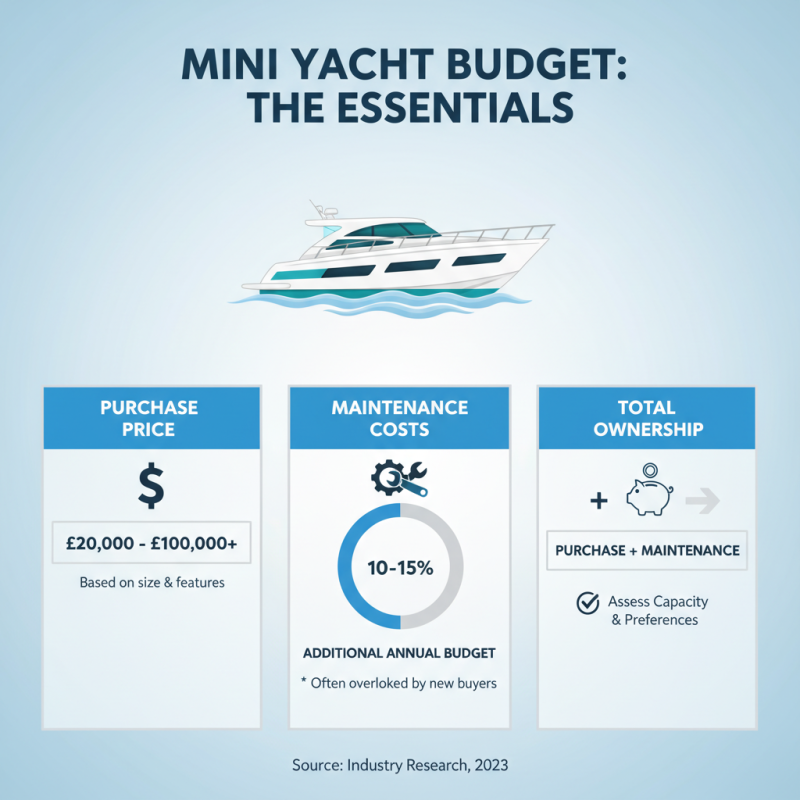
When determining your budget for a mini yacht, assess your financial capacity and preferences. Mini yachts can range from $20,000 to over $100,000. Research shows that new buyers often overlook maintenance costs. These costs can add an additional 10-15% to the annual budget.
Consider financing options if upfront costs seem daunting. Many buyers use loans or leases. This can help manage immediate expenses but will incur interest. The average interest rate for marine loans hovers around 6% to 8%. Reflect on whether monthly payments fit your lifestyle.
Evaluate all associated costs, including insurance, docking, and fuel. Insurance alone can cost 1-2% of the yacht's value annually. Fuel efficiency significantly varies between mini yachts. Some models can consume 5 to 10 gallons per hour, affecting operational costs. Make sure to calculate these expenses carefully to avoid future financial surprises.
Identifying Essential Features and Amenities for Your Needs
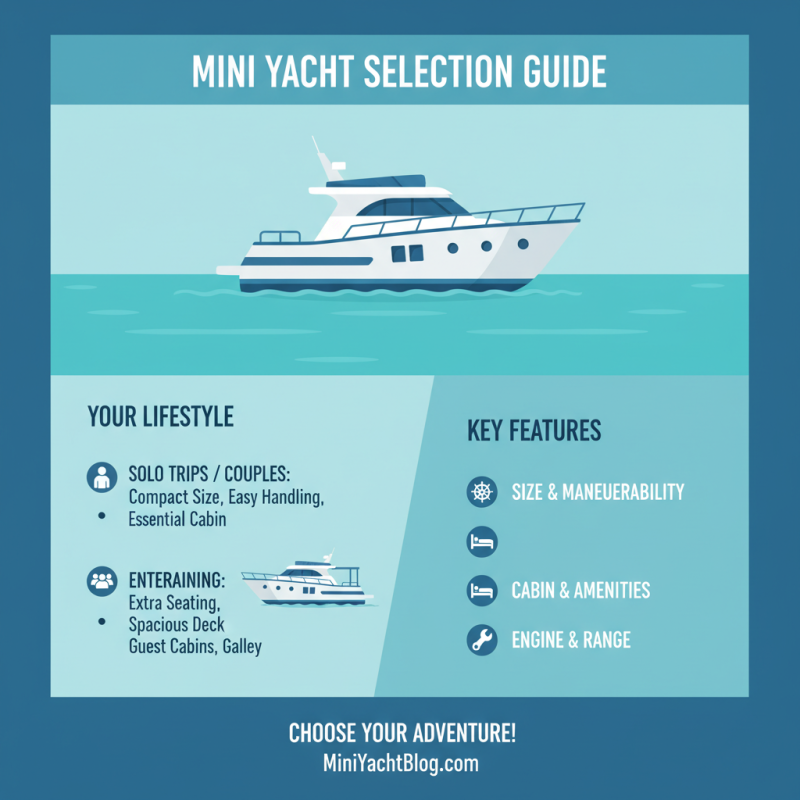
When selecting a mini yacht, it’s crucial to identify essential features and amenities that suit your lifestyle. Think about the size you need. Will it be for solo trips, or do you plan to host friends? A compact yacht could be perfect for one or two people. However, if you love entertaining, consider one with extra seating and space.
Amenities can make a significant difference. A well-equipped galley can enhance your trips, allowing you to prepare meals easily. Don't overlook storage space. It’s often too limited on smaller yachts. Consider adding shelving or compartments if needed.
You might also want creature comforts like air conditioning or cushioned seating. These extras can greatly enhance your experience but may also require additional maintenance. Reflect on what features are non-negotiable and which ones you can live without. Choosing the right yacht involves a balance of desires and practicalities. Every detail counts, and overlooking them might lead to dissatisfaction later.
Evaluating Performance and Handling Characteristics of Mini Yachts
When evaluating performance and handling characteristics of mini yachts, several factors come into play. Speed, stability, and maneuverability are critical metrics. According to recent industry reports, a mini yacht's optimal cruising speed is typically between 5 to 10 knots. At this range, stability is maximized, allowing for a smoother experience in choppy waters.
Handling characteristics also differ based on design. Weight distribution influences agility. A yacht with a lower center of gravity tends to be more stable during turns. Reports indicate that mini yachts with a weight-to-length ratio under 2:1 perform better in rough conditions. It's vital to consider how design impacts your intended use of the yacht.
Tips for choosing the right mini yacht: Test sail different models. Pay attention to comfort and ease of handling. Ensure the yacht fits your skill level. Choosing wisely can prevent future regrets. Balancing performance needs with personal preference is crucial. Don’t overlook maintenance requirements. A yacht is an investment that demands ongoing care. Reflect on your choices and adapt as you learn more about your sailing habits.
How to Choose the Best Mini Yacht for Your Needs? - Evaluating Performance and Handling Characteristics of Mini Yachts
| Model |
Length (ft) |
Weight (lbs) |
Sail Area (sq ft) |
Engine Power (hp) |
Max Speed (knots) |
Handling Characteristics |
| Mini Cruiser 230 |
23 |
2800 |
250 |
15 |
7 |
Stable and responsive |
| Sport Sailor 210 |
21 |
2600 |
230 |
12 |
8 |
Agile and fast |
| Family Voyager 240 |
24 |
3200 |
270 |
16 |
6 |
Comfortable and easy to handle |
| Adventure 220 |
22 |
3000 |
240 |
14 |
7.5 |
Sturdy and versatile |
| Racer X 200 |
20 |
2400 |
210 |
11 |
9 |
Quick and thrilling |
Considering Maintenance and Safety Features in Your Selection
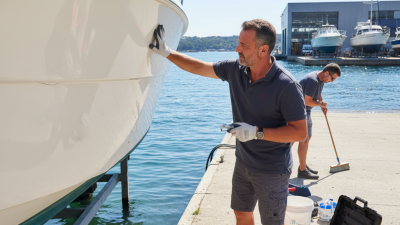
When selecting a mini yacht, maintenance and safety features are crucial. Regular upkeep can prevent larger issues down the line. Check the materials used in the yacht's construction. Fiberglass is common, but metal may require more maintenance. Pay attention to how the yacht's systems are designed. Ease of access is vital for regular checks.
Safety features should not be overlooked. Look for yachts equipped with life jackets and emergency flares. A reliable navigation system enhances safety. Make sure to check the hull design. A stable hull can prevent capsizing. Ensure fire extinguishers and first aid kits are available.
Tips: Always research maintenance options before buying. Local services can influence ongoing costs. Assess the yacht's safety ratings. Sometimes, less popular models are overlooked but may offer better safety features. Reflect on your needs; a more complex yacht might not suit casual outings. Choose wisely.
Choosing the Best Mini Yacht: Maintenance and Safety Features