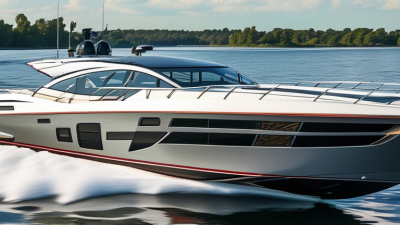
How to Choose the Best Small Passenger Boat for Your Needs?
Choosing the right small passenger boat is crucial for your needs. With various factors to consider, it can be overwhelming. Small passenger boats offer mobility and convenience for families or small groups. However, not all boats are created equal, and understanding your requirements is essential.
Think about your primary purpose. Will you use it for leisurely trips, or more for transport? Evaluate passenger capacity, comfort, and safety features. Also, consider durability and maintenance needs. You must reflect on how often you will use the boat and the conditions it will face.
Every small passenger boat has its unique specifications. Researching brands and models can provide clearer insights. Reviews and recommendations from experienced boaters can enhance your decision-making process. Remember, the best choice often requires balancing your desires with practical considerations. Striving for the perfect boat may lead to unrealistic expectations; embrace the need for compromise.
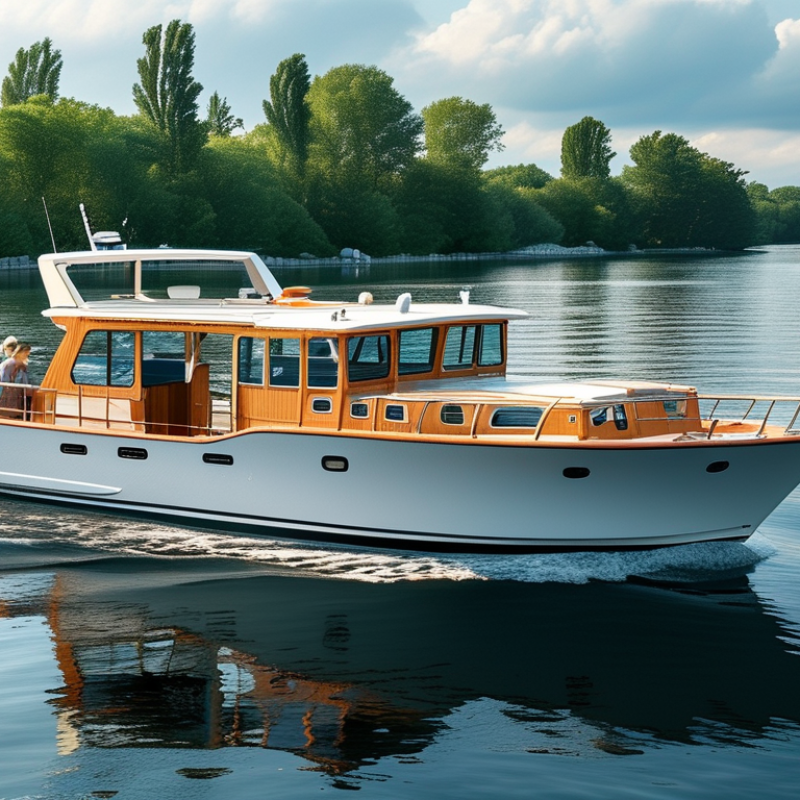
Factors to Consider When Selecting a Small Passenger Boat
Choosing the right small passenger boat involves careful consideration of various factors. One major element is capacity. Determine how many passengers you typically transport. This varies from casual outings to charters.
Another essential factor is intended use. Will the boat be used for leisure cruising, fishing, or private charters? Each purpose prompts different design and feature needs. Assessing your environment is crucial too. Will the boat navigate calm lakes or rough seas? This impacts the vessel's construction and stability.
Don’t forget about maintenance aspects. Some materials require less upkeep while others may need more effort to maintain. In many cases, the initial cost can be misleading. Factor in long-term expenses like repairs and fuel. Assessing these elements can make the decision process daunting. Seeking expert opinions can clarify choices. Keep in mind the balance between personal preferences and practical needs.
Factors to Consider When Selecting a Small Passenger Boat
Types of Small Passenger Boats and Their Unique Features
When selecting a small passenger boat, it's vital to understand the various types available. Each boat has unique traits suited for different needs. For example, pontoon boats offer stability and spaciousness, making them ideal for leisurely cruises. Their flat design allows for a large deck space, perfect for gatherings.
Cabin cruisers provide a different experience. They come equipped with sleeping quarters and a kitchen area, making them suitable for longer trips. If you prefer speed, a small motorboat could be the right choice. These boats excel in quick getaways but may lack the comfort of larger vessels.
Consider your priorities. Will you use the boat for short trips or extended adventures? Also, think about the number of passengers. Overcrowding can lead to safety risks and diminished enjoyment. Each type of boat presents its own set of pros and cons. Reflecting on these factors will help clarify your decision. Another important aspect is maintenance. Some boats require more upkeep than others. Understanding these needs can impact your choice significantly.
Assessing Your Transportation Needs and Capacity Requirements
When selecting a small passenger boat, understanding your transportation needs is vital. Consider who will be traveling. Families may require more seating and storage. Businesses might focus on speed and utility. Think about the types of trips you plan. Recreational outings demand comfort, while emergency services need quick access.
Capacity is another crucial factor. Calculate the maximum number of passengers plus any equipment. Overloading can lead to safety risks. It's essential to match your boat's capacity to your expected use. This could involve future considerations, too. Will your needs grow? If so, plan for extra space.
Evaluate your water conditions as well. A calm lake differs greatly from coastal waters. Different boats perform better in various environments. This choice will affect your safety and experience. Don’t forget about maintenance and upkeep costs, either. A reliable vessel may need spare parts or servicing. Reflecting on these aspects can help streamline your decision.
Budgeting for Purchase and Maintenance of a Small Boat
Budgeting for the purchase and maintenance of a small boat is crucial for any prospective owner. According to industry reports, the average cost of a small passenger boat can range from $15,000 to $50,000. That price varies widely based on size, features, and materials. It's essential to have a clear budget before you start shopping. Determine how much you can spend upfront. Don’t forget additional costs such as registration and insurance, which can add another $1,000 to $3,000 annually.
Maintenance is also a significant consideration. Regular maintenance costs can average around 10% of the boat’s purchase price each year. This includes routine checks, engine servicing, and seasonal preparations. Neglecting maintenance may lead to higher repair costs down the line. For example, a poorly maintained engine can result in a $2,000 repair bill, causing financial strain. It's important to factor in these ongoing expenses to avoid surprises. Reviewing service records and budgeting for these costs can make a big difference in the long run.
How to Choose the Best Small Passenger Boat for Your Needs? - Budgeting for Purchase and Maintenance of a Small Boat
| Boat Type |
Purchase Price ($) |
Average Maintenance Cost/Year ($) |
Passenger Capacity |
Additional Features |
| Cuddy Cabin |
20,000 |
1,500 |
4 |
Enclosed cabin, sleeping area |
| Pontoon Boat |
25,000 |
1,200 |
10 |
Open deck, spacious seating |
| Bowrider |
30,000 |
1,800 |
6 |
Versatile seating, swim platform |
| Sailboat |
15,000 |
1,000 |
4 |
Sails, galley space |
| Fishing Boat |
18,000 |
1,500 |
5 |
Rod holders, live well |
Evaluating Safety Features and Compliance Standards for Small Boats
When choosing a small passenger boat, evaluating safety features is crucial. Look for boats with robust hull designs and high stability ratings. High-quality materials enhance durability. Boats should comply with safety standards set by marine authorities. This compliance ensures that the vessel has undergone rigorous testing.
Consider essential safety features such as life jackets, fire extinguishers, and emergency kits. These items should be easily accessible. An adequate number of life vests is necessary, based on passenger capacity. Regular maintenance checks can identify potential hazards. Owners must keep an eye on equipment wear and tear. This is not just prudent but essential.
Consulting with maritime safety experts can be invaluable. Their insights can highlight overlooked features. However, each individual's needs differ. What works for one boat owner may not work for another. Pay attention to your specific requirements, including the type of water you navigate and the typical number of passengers. Each detail contributes to the overall safety profile of your small boat.