What is an Electric Speed Boat and How Does it Work?
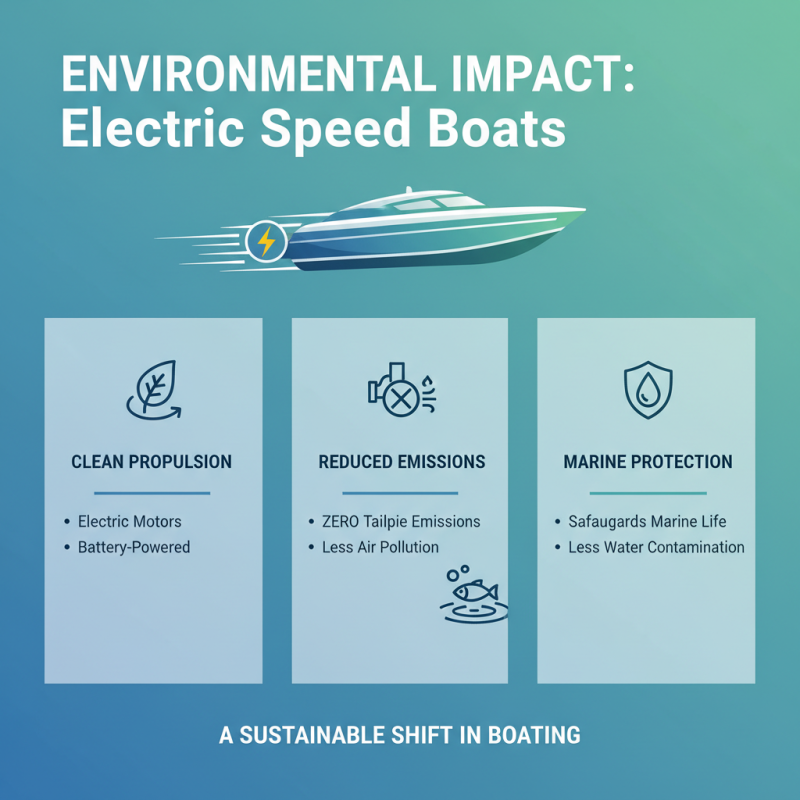
Electric speed boats represent a significant evolution in marine technology. These innovative vessels utilize electric motors powered by batteries, offering a cleaner and quieter alternative to traditional gas-powered boats. According to a recent report by Research and Markets, the global electric boat market is expected to grow at a compound annual growth rate of 12% from 2021 to 2026. This rapid growth highlights a rising interest in sustainable boating solutions.
Industry expert Dr. Emily Waters, a marine technology specialist, emphasizes the benefits of electric speed boats: “Electric propulsion systems reduce pollution and operating costs.” Her insights underscore the shift towards environmentally friendly alternatives in the marine industry. However, challenges remain. Battery life and charging infrastructure still require improvement. As the demand increases, manufacturers are investing in better technologies to enhance performance.
The transition to electric speed boats is not merely a trend. It signifies a long-term change in how we approach water transport. The industry must navigate the complexities of consumer needs and environmental regulations. As electric speed boats gain momentum, the future of boating looks greener yet requires continuous innovation.
What Defines an Electric Speed Boat in the Marine Industry?
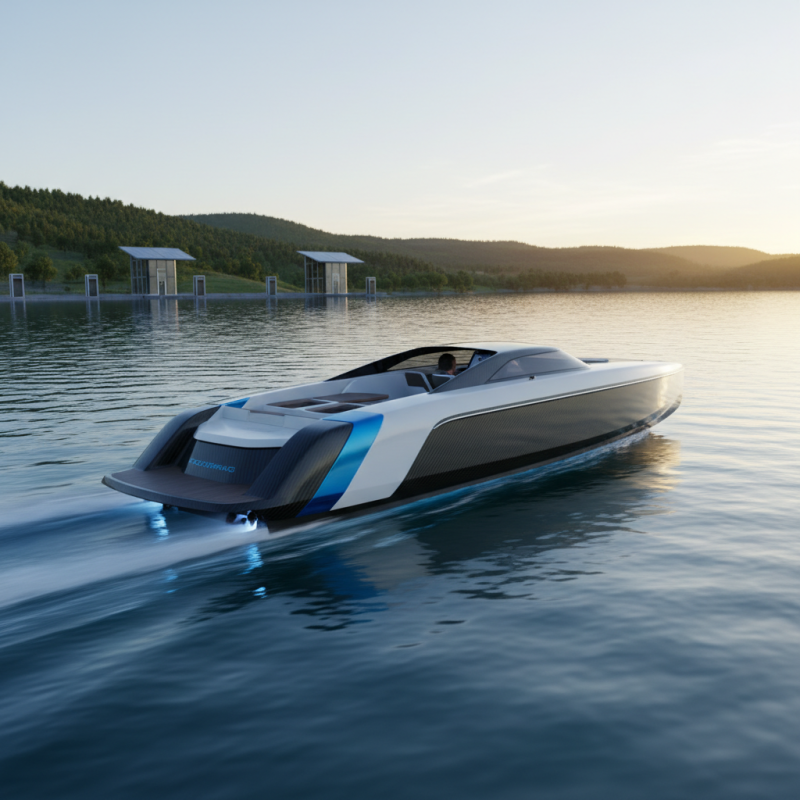
Electric speed boats are revolutionizing the marine industry with their unique blend of efficiency and excitement. Defined primarily by their electric propulsion systems, these boats utilize advanced batteries and electric motors to achieve impressive speeds. Unlike traditional motorboats, they navigate water silently, promoting a serene boating experience. This quiet operation allows for closer encounters with wildlife, a feature that many outdoor enthusiasts appreciate.
The design of electric speed boats focuses on lightweight materials and aerodynamic shapes. Many incorporate sleek hulls to enhance speed and maneuverability. The powertrain usually features a combination of high-performance lithium-ion batteries and eco-friendly electric motors. These boats emphasize sustainability, reducing emissions and noise pollution in aquatic environments. However, the technology is still evolving.
Battery life and charging infrastructure remain hurdles in broad adoption. Operators must also consider range limitations during long trips. Users often find themselves planning routes around charging stations. As the industry matures, addressing these limitations will be essential.
The growing interest in eco-friendly watercraft highlights both the challenges and potential of electric speed boats. The journey towards perfected designs continues, pushing boundaries within the marine sector.
Key Components and Mechanisms of Electric Speed Boats
Electric speed boats are becoming increasingly popular due to their eco-friendly nature and impressive performance. Understanding their key components can provide insight into their operation and efficiency.
The heart of an electric speed boat is its electric motor. This motor generates power using electricity stored in batteries. These batteries are typically lithium-ion, known for their energy density and longevity. The propulsion system converts the motor's energy into thrust. This system is often quieter and provides smoother acceleration compared to traditional gasoline engines.
Tips: Regular maintenance of the batteries is crucial. Check the charge cycles to extend battery life. Ensure connections are clean and free of corrosion.
Another important aspect is the hull design. A well-designed hull minimizes drag, allowing the boat to glide over the water. This enhances speed and efficiency without excessive energy consumption. The materials used often include lightweight composites, which contribute to improved speed and stability.
Tips: Test various hull shapes to find what suits your needs best. Observe performance in different water conditions.
Incorporating advanced technology, electric speed boats may include features like regenerative braking. This captures energy during deceleration, enhancing overall efficiency. The integration of smart systems can also optimize the motor's performance based on current conditions.
Tips: Stay updated on technological advancements. Adaptations can significantly enhance your boating experience.
Performance Metrics: Speed, Range, and Battery Life in Electric Boats
Electric speed boats represent a significant advancement in marine technology. They combine innovation with environmental consciousness. Performance metrics are crucial when considering these vessels. Speed is a primary factor. Most electric boats can reach speeds of 30 to 50 knots, depending on design and power capacity. However, achieving peak speed can lead to reduced range.
Range varies greatly among electric boats. The most efficient models can travel approximately 50 to 100 nautical miles on a single charge. This distance typically relies on speed management. For example, maintaining a steady cruising speed can maximize distance. Yet, using maximum throttle cuts range significantly. Battery life is another critical aspect. Advanced lithium-ion batteries often last for 5 to 8 years, requiring mindful maintenance. Owners must be aware of how usage impacts battery health.
Charging infrastructure is still developing. Many electric boat owners report limited access to charging stations, especially in remote areas. Fast-charging options are also scarce. This contributes to a hesitance in fully embracing electric speed boats. Data from industry reports highlight that only 20% of boaters feel confident in their charging capabilities. As technology advances, these issues may be addressed. However, careful consideration and planning are essential for prospective buyers.
Future Trends: Innovations in Electric Propulsion and Technology Advancements
Electric speed boats represent a new frontier in marine technology, driven by advancements in electric propulsion. Recent studies indicate that the electric boat market is projected to grow at a compound annual growth rate (CAGR) of over 23% from 2021 to 2026. Innovations in battery technology are crucial. Next-generation lithium-ion batteries promise higher energy density, allowing boats to travel longer distances on a single charge.
Recent reports suggest that the average size of electric motors used in boats has increased, leading to enhanced performance. Some models now feature dual motor setups that can produce over 400 horsepower combined. This shift enables faster acceleration and more agile handling on water, which was once a challenge for electric propulsion. Innovative cooling systems are being developed to maintain high efficiency even under strenuous conditions.
However, challenges persist. The charging infrastructure for electric boats is still limited in many regions. Additionally, battery disposal remains a concern, urging the industry to find sustainable solutions. As manufacturers continue to invest in e-mobility, addressing these issues will be essential for widespread adoption. Transparency in lifecycle impacts will help build consumer trust and promote environmentally-friendly practices in boating.