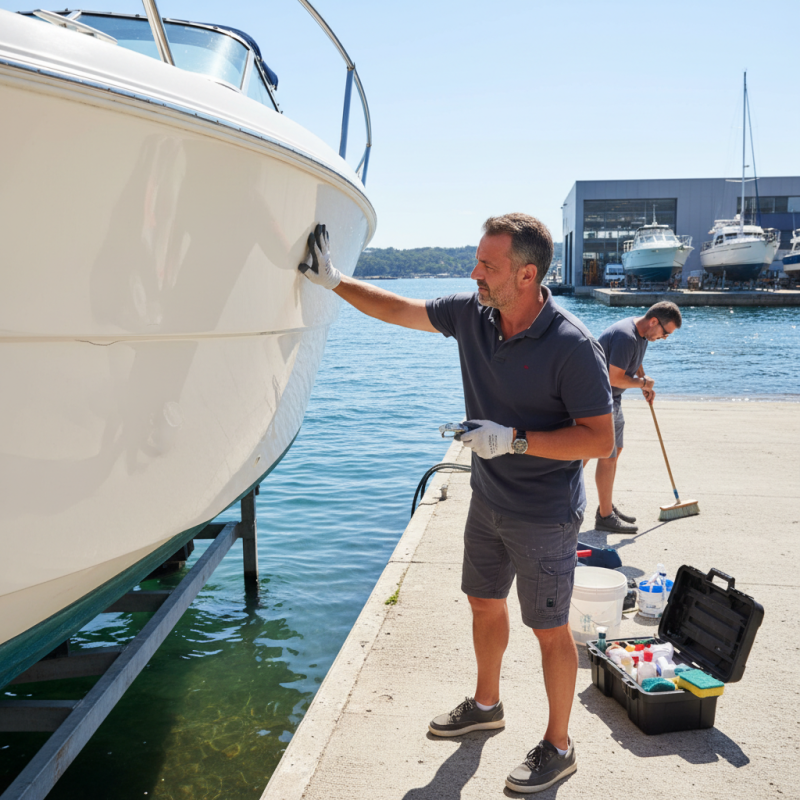
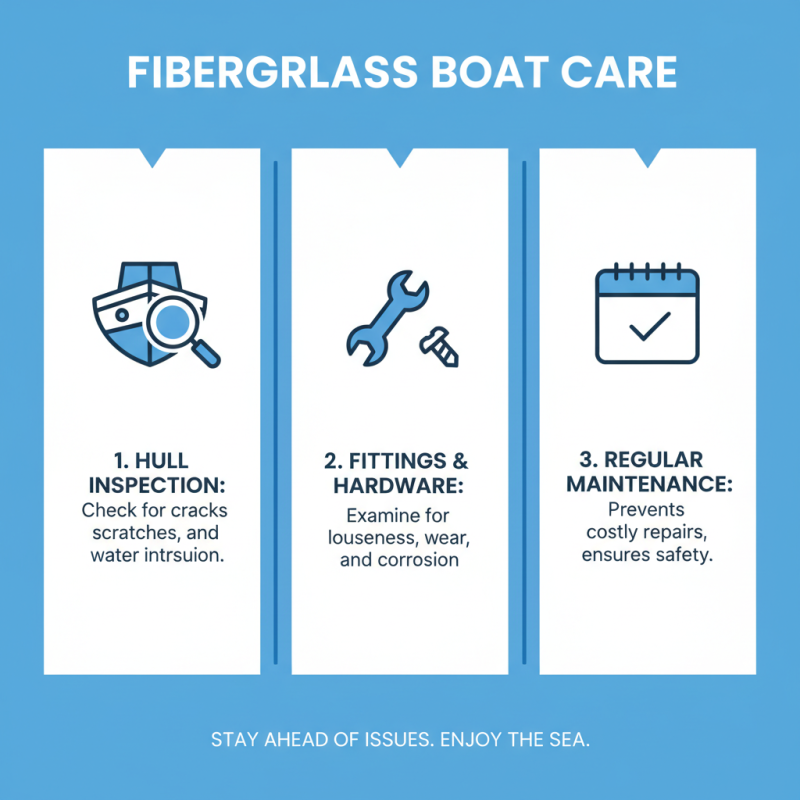
10 Essential Tips for Maintaining Your Fiberglass Boat
Maintaining a Fiberglass Boat requires knowledge and effort. As marine expert John Smith once said, "A well-cared-for boat lasts a lifetime." His insight emphasizes the importance of proper maintenance.
Fiberglass boats offer durability and strength. However, neglect can lead to costly repairs. Regular cleaning is essential to prevent mold and mildew. It’s easy to overlook these tasks but ignoring them can cause long-term issues.
Every detail matters in boat maintenance. Check the gel coat frequently for cracks. Even small damages can lead to bigger problems. The bilge area also needs attention. It can accumulate debris and moisture, fostering damage. Learning these tips can enhance your boating experience and protect your investment.
Choosing the Right Cleaning Products for Your Fiberglass Boat
When it comes to maintaining your fiberglass boat, using the right cleaning products is crucial. Fiberglass surfaces can easily be damaged by harsh chemicals. Always prefer pH-balanced cleaners that are gentle yet effective. Look for biodegradable options that are safe for marine life. The environment matters, even when cleaning your boat.
Using the wrong products can lead to dull appearances or, worse, surface degradation. Avoid using products that contain bleach or ammonia. These can cause discoloration and crevice corrosion. Instead, opt for mild soaps or specialized cleaning agents designed for fiberglass. Test any new product on a small area first. You want to ensure it doesn’t cause an unexpected reaction.
Finally, remember to rinse thoroughly after cleaning. Leftover residues can attract dirt and grime. A simple hose-down can go a long way. It’s easy to overlook these details, but a proper rinse preserves the shine of your boat. Keep an eye on how your boat reacts to different cleaners. Learning from each experience can help you make better choices in the future.
10 Essential Tips for Maintaining Your Fiberglass Boat - Choosing the Right Cleaning Products for Your Fiberglass Boat
| Tip Number |
Cleaning Product |
Usage Instructions |
Recommended Frequency |
| 1 |
Mild Boat Soap |
Mix with water and scrub using a soft sponge |
Every trip |
| 2 |
Vinyl Cleaner |
Spray on vinyl surfaces and wipe clean |
Monthly |
| 3 |
Fiberglass Polish |
Apply with a soft cloth and buff to a shine |
Every 3 months |
| 4 |
Oxidation Remover |
Apply and scrub with a fine pad |
As needed |
| 5 |
Deck Cleaner |
Dilute with water and scrub deck |
Every outing |
| 6 |
Glass Cleaner |
Spray on windows and wipe with a cloth |
Weekly |
| 7 |
Stain Remover |
Apply directly to stains and scrub |
As needed |
| 8 |
Hull Cleaner |
Apply and rinse thoroughly |
Before storage |
| 9 |
Mold and Mildew Cleaner |
Spray and wipe surfaces, let air dry |
Monthly |
| 10 |
Wax |
Apply thin layers and buff to finish |
Every 6 months |
Techniques for Protecting Your Boat’s Gelcoat from Damage
Maintaining the gelcoat on your fiberglass boat is crucial for its longevity. The gelcoat is the first line of defense against environmental damage. Direct sunlight, saltwater, and harsh weather can wear it down over time. Regular cleaning is essential. Use a mild soap and fresh water to remove dirt and grime. Rinse thoroughly to avoid soap residue, which can cause clouding.
Applying a good quality wax can provide extra protection for the gelcoat. Waxing creates a barrier against UV rays and reduces oxidation. It’s a simple task that pays off in the long run. However, many boat owners overlook this step. They might be too busy or feel it unnecessary. Skipping wax application might save time now but could lead to costly repairs later.
Inspecting for scratches or chips is equally important. Small damages can lead to water intrusion and bigger issues. Don’t ignore them. If you find any, repair them promptly with a gelcoat repair kit. This ensures your boat stays in top shape and avoids costly upkeep. Remember, maintaining your gelcoat is not just about appearance; it affects your boat's overall health.
10 Essential Tips for Maintaining Your Fiberglass Boat
How to Repair Minor Scratches and Chips on Fiberglass
Repairing minor scratches and chips on fiberglass boats is crucial for maintaining their aesthetic and durability. A small scratch can grow over time if left unattended.
To start, gather some basic supplies. You'll need a fine-grit sandpaper, fiberglass repair resin, and a clean cloth. Lightly sand the area around the scratch, avoiding excessive pressure. This creates a rough surface for better adhesion.
Once prepped, mix the fiberglass resin according to the package instructions. Apply a small amount to the scratch or chip. Use a spatula or a similar tool for an even spread.
Don't be too perfect; small imperfections can add character. After the repair sets, sand it smooth again once it's cured. Finally, polish the area to blend it with the surrounding fiberglass.
The repair should be functional and visually appealing; however, consider that each restoration attempt may teach you something new. Embrace practice and learn from each step.
Storing Your Boat Properly to Prevent Environmental Damage
Storing your fiberglass boat properly is crucial. A significant percentage of boat damage stems from environmental factors. UV rays can weaken the hull, while moisture fosters mold and mildew. According to the National Marine Manufacturers Association, nearly 70% of boat owners experience issues related to improper storage.
Consider using a quality boat cover. A good cover shields the boat from harmful UV rays and precipitation. It also prevents dust and debris from accumulating. Ensure the cover fits snugly. Gaps can allow moisture to get inside, leading to costly damage later.
Choose a storage location carefully. Indoor storage is preferable, as it limits exposure to the elements. If indoor storage is unavailable, opt for a shaded area. Make sure the ground is level. Uneven surfaces can lead to structural stress over time. Remember, overlooking these details may lead to repair costs that far exceed simple preventive measures.