What is a High Speed Boat and How Can You Choose One?
When it comes to high-performance watercraft, a Boat High Speed Boat stands out. This unique vessel offers thrilling speed, agility, and adventure on the water. But choosing the right high-speed boat can be challenging. There are many factors to consider, including your experience level and intended use.
Understanding your needs is crucial. Each Boat High Speed Boat has different capabilities. Factors such as size, power, and design play a significant role. Additionally, the safety features and comfort levels should not be overlooked. It's essential to consider how you plan to use the boat. Will it be for racing, leisure, or fishing? Knowing your priorities is vital for making the right choice.
Investing in a high-speed boat can lead to excitement and enjoyment. However, there are potential drawbacks. The cost of maintenance can be high. Moreover, not all high-speed boats perform well in rough waters. Reflecting on these aspects will help you select the best fit for your adventures.
What Defines a High Speed Boat: Key Characteristics and Features
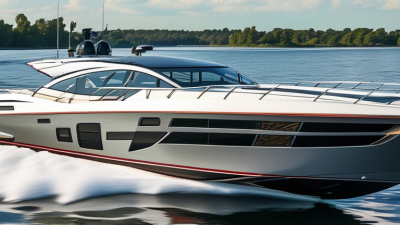
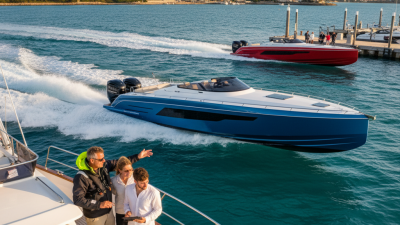
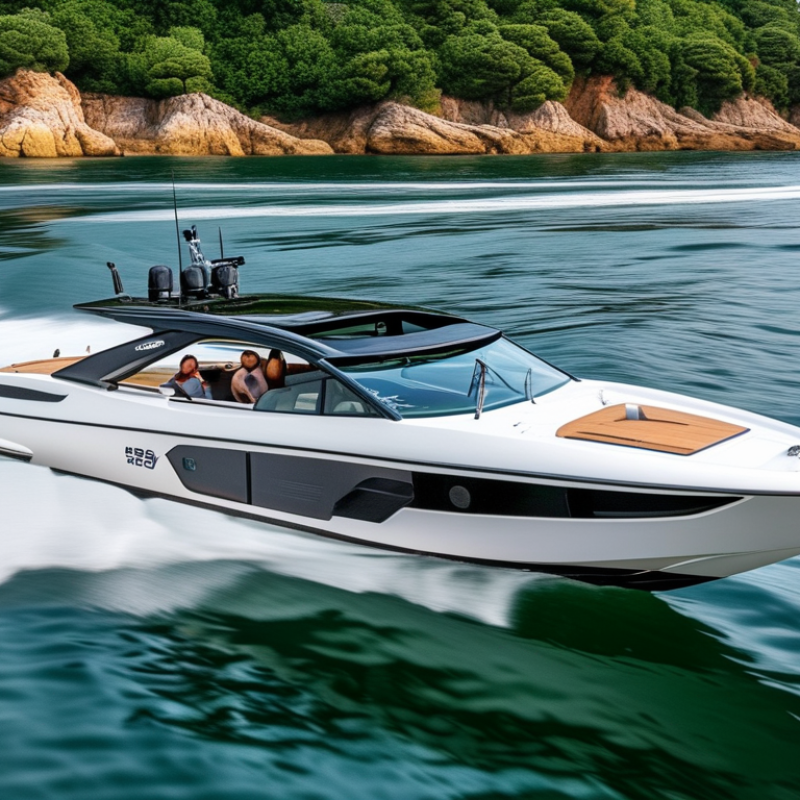
High-speed boats are designed for agility and speed. They typically feature a lightweight hull, powerful engines, and a streamlined shape. These boats often reach speeds over 40 knots. Some common types include racing boats, Ski boats, and performance cruisers. A good understanding of their key characteristics helps in making an informed choice.
When choosing a high-speed boat, consider the hull design. A deep-V hull cuts through waves, providing stability at high speeds. Flat-bottom hulls offer excellent speed on calm water. Engine power is crucial too. Look for a strong engine paired with good fuel efficiency. The right power-to-weight ratio can determine performance and handling.
**Tip:** Always evaluate your purpose for buying a high-speed boat. Will you race, fish, or enjoy leisure time? Your intended use will guide your choices.
Safety features should never be overlooked. Ensure the boat includes life jackets, communication devices, and emergency flares. Additionally, check if the boat has a reliable navigation system. Investing in safety will enhance the boating experience.
**Tip:** Test-drive different models to assess comfort and handling. Just because a boat looks fast doesn't mean it is the right one for you. It’s essential to feel at ease while navigating at high speeds.
Types of High Speed Boats: Choosing the Right Style for Your Needs
When selecting a high-speed boat, understanding different types is essential. There are several styles, each with unique features. For example, a jet boat is known for its agility and speed, perfect for quick navigation in shallow waters. Meanwhile, a racing boat excels on open waters, built for speed and performance. The choice often depends on where and how you plan to use the boat.
Another option is the catamaran. This design provides stability and space, making it great for family outings or leisure activities. However, it may not be as fast as a traditional monohull. If you prefer thrill-seeking, a powerboat may be ideal, but ensure it fits your skill level. Think about the kind of experience you want. Do you seek adventure or relaxation? Do you want to navigate rough waters or cruise smoothly?
Don’t forget about maintenance and storage. Some boats require more care than others. This can add to the overall cost of ownership. Reflect on your lifestyle and needs to choose wisely. Your perfect high-speed boat should align with your boating aspirations and capabilities.
Factors to Consider When Selecting a High Speed Boat
When choosing a high-speed boat, several key factors come into play. First, consider the boat's purpose. Are you planning for leisure activities, racing, or fishing? This will influence the type of boat you need. Pay attention to the boat's size and weight. Lighter boats generally achieve higher speeds but may compromise stability.
Engine power is critical. Look for boats with robust horsepower to ensure they meet your speed requirements. However, more power often leads to higher fuel consumption. Balance speed with efficiency. Materials used in construction also matter; fiberglass and aluminum are popular for their durability and lightweight nature.
Tips: Always test the boat before purchasing. Experience the handling and speed firsthand. Evaluate maintenance costs. Some boats may seem ideal but could incur high upkeep expenses. Lastly, think about resale value. A popular type may fetch better returns in the future. Make a well-informed choice based on your real needs and preferences.
High Speed Boats: Speed vs. Cost Analysis
Safety Features and Regulations for High Speed Boating
High-speed boating can be exhilarating, but safety cannot be overlooked. Understanding safety features is essential for enjoyment on the water. Many high-speed boats come with life-saving features like automatic bilge pumps, stability systems, and high-capacity safety kits. These components can make a significant difference in emergencies.
When choosing a high-speed boat, check for compliance with safety regulations. The boat should pass required inspections and maintain proper safety gear. Make sure the boat has life jackets for each passenger. Inspect the ignition switch, fire extinguisher, and navigation lights. Knowing these features keeps you and your passengers safe.
Tips: Always wear a life jacket, even if you’re a strong swimmer. Stay aware of weather conditions before heading out. It's essential to have a first-aid kit accessible. Reflect on your boating experience. Mistakes can happen, and recognizing them improves future outings. Maintain your boat well and ensure all equipment is functional. Safe boating is about preparation and vigilance.
Maintenance Tips for High Speed Boats to Ensure Optimal Performance
Maintaining a high-speed boat requires attention to detail and regular upkeep. Regularly check the engine oil and coolant levels. Ensure the fuel system is clean and free of contaminants. Neglecting these can lead to performance issues. A well-maintained engine runs smoother and lasts longer.
Pay close attention to the hull. Inspect it for any signs of wear or damage. Cleaning the hull frequently prevents algae and barnacle buildup. This can slow down your boat. Proper cleaning products can help. Remember, a clean hull contributes to optimal speed.
Don’t overlook safety equipment. Always check life jackets, fire extinguishers, and flares. They should be readily accessible and in good condition. Regular inspections of safety gear ensure you are prepared for emergencies. It’s crucial to be proactive, not reactive.