What is a Small Speed Boat and How Does It Work?
The use of a Small Speed Boat can transform your water adventure experience. These vessels are designed for agility and speed. They can navigate through different water conditions with ease. Understanding how they work is crucial for both new and experienced users.
Small Speed Boats vary greatly in design, size, and function. Some are perfect for racing, while others serve leisure activities. Regardless of their purpose, they share common features that enhance performance. For example, a powerful engine and streamlined shape contribute significantly to their speed.
However, operating a Small Speed Boat requires knowledge and responsibility. Many users overlook safety measures, leading to dangerous situations. A balanced understanding of the boat’s mechanics and local regulations is essential. This ensures an enjoyable and safe experience on the water.
What Defines a Small Speed Boat?
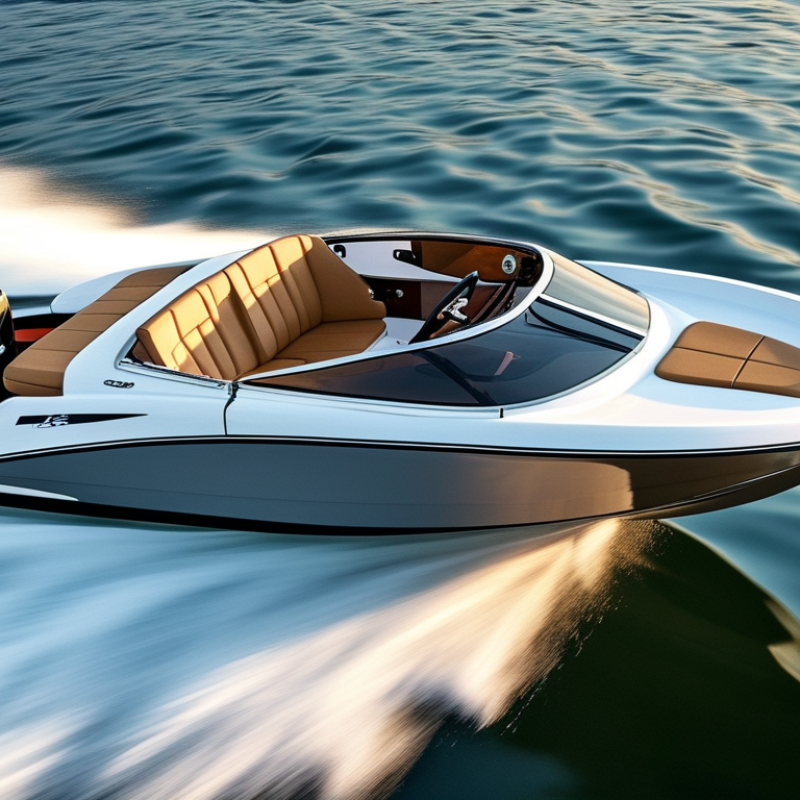
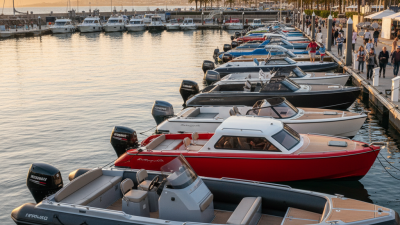
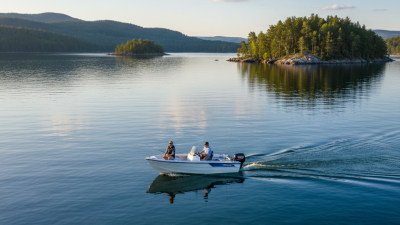
When we talk about small speed boats, we often refer to vessels designed for quick travel over water. These boats are typically lightweight and feature streamlined hulls. Their design allows for a balance between speed and stability. A small speed boat can be powered by outboard motors or inboard engines, providing robust performance for watersport enthusiasts.
The characteristics of a small speed boat focus on dimensions and capabilities. Generally, these boats are around 15 to 25 feet long. They can accommodate a small crew comfortably, usually up to six people. The materials used in construction often include fiberglass or aluminum, ensuring durability while keeping weight low. This setup enhances maneuverability, allowing for sharp turns and rapid acceleration, making them apt for leisure activities, fishing, or racing.
Yet, owning a small speed boat involves responsibilities. Maintenance is crucial; neglect can lead to costly repairs. Safety equipment should always be onboard, although many boaters overlook this. The experience should be enjoyable, but it requires diligence. Engaging in proper practices can enhance safety and maximize the fun of your time on the water.
What is a Small Speed Boat and How Does It Work? - What Defines a Small Speed Boat?
| Dimension |
Typical Value |
Description |
| Length |
15 - 30 feet |
The overall measurement from bow to stern, typically ranging within 15 to 30 feet. |
| Width |
5 - 10 feet |
The beam or width at its widest point providing stability and space. |
| Weight |
500 - 3000 lbs |
The total mass of the boat, impacting performance and trailer requirements. |
| Top Speed |
30 - 60 mph |
The maximum speed achievable under optimal conditions. |
| Power Source |
Outboard or Inboard engines |
Types of engines used, affecting speed, efficiency, and maneuverability. |
| Seating Capacity |
2 - 8 people |
The number of passengers the boat can safely accommodate. |
| Usage |
Recreational, Racing, Fishing |
Common purposes for which small speed boats are utilized. |
Key Components of a Small Speed Boat
Small speed boats are defined by their nimbleness and lightweight design. Their core components significantly contribute to their impressive performance. The hull is the most critical part. It determines how well the boat cuts through water, impacting speed and fuel efficiency. Typically, a deep-V hull provides better stability and allows for higher speeds, especially in rough waters.
The engine is another essential element. Most small speed boats use outboard motors. These engines are known for their ease of maintenance and versatility. According to industry reports, high-performance outboard motors can reach up to 300 horsepower. This power translates to thrilling speeds, often exceeding 50 mph for smaller models. However, not all boats handle this power well, and misusing such engines can lead to safety hazards.
Another vital component is the propulsion system. This can include propellers or jet drives, each offering unique advantages. Propellers are efficient but can experience cavitation at high speeds, leading to performance drops. Jet drives, while providing better maneuverability, can require more maintenance. Choosing the right type depends on intended use and performance expectations. Reflecting on design choices allows boaters to understand the balance between speed and safety.
How Does the Propulsion System Work?
Small speed boats are popular for their agility and performance on water. Their propulsion systems play a crucial role in this. Most small speed boats utilize outboard or inboard engines, which convert fuel into mechanical power. This power spins the propeller, pushing the boat forward. The efficiency of this system greatly impacts speed and fuel consumption.
According to the National Marine Manufacturers Association, small powerboats accounted for over 90% of boating sales in 2022. Understanding the mechanics of propulsion is vital for both enthusiasts and builders. The size and pitch of the propeller affect how efficiently the boat moves. A well-matched system can improve speed by up to 20% while optimizing fuel use.
Tips: Regular maintenance can enhance efficiency. Inspect the propeller for damage and ensure it suits your boat's engine. Moreover, refining weight distribution can significantly affect performance. A lightweight boat can reach higher speeds with less power. Remember, experimentation is key—some setups may not produce the desired results right away, but adjusting parameters can lead to improvements.
Understanding the Steering and Control Mechanisms
Understanding the steering and control mechanisms of a small speed boat is essential for safe navigation. These boats often use a combination of a rudder and throttle controls. The rudder steers the boat, while throttle controls adjust the engine power. According to marine industry reports, effective use of these controls can improve maneuverability by up to 30%.
A small speed boat typically features a system known as "steering wheel and cable." This mechanism transmits the captain's movements directly to the rudder, allowing for quick responses. Switching to electronic steering systems is becoming more common, enhancing precision and responsiveness. Many guides suggest practicing steering in calm waters to build confidence and skill.
When it comes to control, understanding trim is vital. Adjusting the trim affects the boat's angle and speed. A misjudged trim can lead to instability. It's advised to experiment with trim settings while monitoring boat behavior closely. Regular practice is key to mastering these adjustments, but ensure awareness of your surroundings at all times. Control mechanisms can be tricky, and sometimes getting it wrong becomes a learning experience.
Maintenance Tips for Small Speed Boats
Maintaining a small speed boat requires attention and regular care. Regular cleaning is essential for performance. Saltwater can corrode metal parts. Rinse the boat with fresh water after each use. Pay special attention to the engine and other mechanical components. Remove debris from the bilge and check for signs of wear. Neglecting these tasks can lead to costly repairs.
Routine inspections are vital for safety. Check the fuel system for leaks or cracks. Ensure that the battery is charged and connections are clean. Worn-out accessories, like life vests, must be replaced. For the hull, look for any scratches or blisters. They can signal deeper issues. Regularly applying a protective wax can help prevent damage from the sun.
Another aspect is engine maintenance. Change the oil regularly. It ensures efficient operation and prevents engine wear. Follow manufacturer guidelines for servicing the engine. Sometimes, it can be tempting to skip these steps but doing so can be detrimental. A small oversight can lead to significant issues down the line.