China Top Jet Speed Boat Manufacturers and Suppliers?
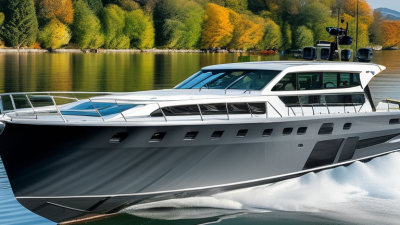
China has become an important sourcing base for modern Jet Speed Boat designs, combining flexible production with competitive engineering costs. Manufacturers and suppliers now serve resorts, marine leisure operators, rescue organizations, and private owners worldwide. Their products may include compact recreational boats, luxury models, and high-performance vessels powered by water-jet propulsion systems.
As marine designer Nigel Irens has said, “A boat is always a compromise.” That observation remains practical today. Speed must work with stability, fuel efficiency, passenger comfort, and reliable handling. A polished hull may look impressive beside a showroom dock. Real performance appears in choppy water, during repeated acceleration, and after long hours of maintenance.
This guide examines China’s leading Jet Speed Boat manufacturers and suppliers through an E-E-A-T-focused perspective. It considers manufacturing experience, hull construction, propulsion integration, material quality, testing procedures, and export support. Buyers should review documented specifications, factory capabilities, service networks, and compliance records before placing an order.
Details matter. Ask about aluminum or fiberglass grades, pump-jet brands, steering response, noise levels, and emergency systems. Request sea-trial evidence, not only promotional videos. Some suppliers communicate clearly. Others leave important answers unfinished. That difference can become expensive.
Supplier selection is not simply a price comparison. It is a judgment about consistency, technical honesty, and support after delivery. A fast boat is attractive. A dependable one earns trust over time.
Jet Speed Boat Types and Waterjet Ratings: ISO 8665 Power Data
China Top Jet Speed Boat Manufacturers and Suppliers?
Waterjet speed boats should be compared through verified power data, not advertised top speed. ISO 8665:2018 defines how marine engine power is measured and declared. Its figures normally describe engine output in kilowatts, not the final thrust at the nozzle. That difference matters. A 300 kW engine can produce very different acceleration, depending on pump efficiency, intake design, impeller size, and hull weight.
Check the test sheet carefully.
Ask whether the rating is crankshaft power, shaft power, or installed system power. Also request the engine speed, test conditions, and measurement tolerance. ISO 8665 data becomes more useful when matched with sea-trial results. Static thrust, planing time, turning response, and fuel consumption reveal practical performance. Laboratory figures alone can look impressive.
Industry data offers useful context. ICOMIA’s Global Boating Industry Statistics tracks recreational boating trends, but it does not certify individual jet systems or rank suppliers. That limitation is important. A supplier with strong production data may still provide incomplete waterjet documentation. Certification records, traceable test reports, material specifications, and after-sales service deserve equal attention. Ask for independent verification where possible.
The comparison is imperfect.
Water conditions change everything. A clean hull, calm water, and a light load can produce optimistic results. For Chinese manufacturers and suppliers, buyers should compare ISO 8665 power declarations with real operating evidence, not horsepower alone.
Supplier Comparison: Hull Length, Engine Power, Speed, and Payload Data
China’s jet speed boat suppliers offer different hull lengths, engine outputs, and payload targets. A practical comparison should begin with hull design, not advertised speed.
Boats around 4.5 to 5.5 meters often balance trailer handling and passenger space. Longer hulls can improve stability, but they may require stronger transport equipment and deeper docking access.
Engine power commonly ranges from 60 to 300 horsepower in this category. Smaller engines may deliver lower fuel use for coastal transfers and leisure cruising. Higher power can push speeds beyond 45 knots, depending on hull weight, water conditions, and load.
Ask suppliers for measured speed data, not estimated figures. Testing with two passengers is very different from testing with a full payload. Payload figures should include people, fuel, safety equipment, and stored gear. This point is often missed.
Request a specification sheet showing hull length, beam, dry weight, engine model, rated power, maximum speed, cruising speed, and payload. Also request videos, test records, and production inspection details.
Factory experience matters, but documentation matters more. A supplier may quote a 600-kilogram payload, yet stability can change sharply near that limit.
I would check deck drainage, steering response, and engine access before placing an order. These details are less impressive than top speed, but they affect daily reliability.
Sea trials should use realistic loading and calm water first, then moderate waves. Perfect figures are rare. Supplier claims deserve careful verification.
Compliance and Export Checks: CE 2013/53/EU and ISO 12215
For buyers comparing China’s jet speed boat manufacturers and suppliers, compliance should begin before a sea trial. CE marking under Directive 2013/53/EU requires more than a label on the console. The manufacturer should identify the craft’s design category, intended use, propulsion system, noise output, and exhaust emissions. Technical files should include drawings, calculations, test records, manuals, and the EU Declaration of Conformity. Ask for traceable documents, not only scanned certificates.
ISO 12215 supports the structural assessment of recreational craft. It addresses hull design, loads, materials, scantlings, and construction details. For a jet boat, inspectors should review the hull bottom, transom, engine foundation, steering loads, and waterjet installation. Material certificates and welding records can reveal quality gaps. A fast prototype may feel impressive, yet hidden reinforcement problems can appear after repeated impacts.
Details matter.
Export checks should compare the physical boat with the approved documentation. Verify the identification plate, hull identification number, capacity limits, emergency equipment, and owner’s manual. Depending on the craft and conformity route, an independent conformity assessment body may be involved. Requirements can also change with modifications, such as a larger engine or altered seating layout. I have found that supplier answers are sometimes incomplete, especially when production changes faster than paperwork. That weakness deserves careful review, not automatic rejection. Independent inspection, documented sea trials, and a realistic repair process provide stronger evidence than sales promises.
How to Select a Supplier: MOQ, Lead Time, Warranty, and Test Records
Selecting a jet speed boat supplier should begin with MOQ, not attractive catalog photos.
Ask whether the minimum order applies to one model or the entire purchase. Get it in writing. A flexible MOQ helps when testing a new market, but unusually low quantities may signal limited production control. Request a sample unit or a detailed configuration sheet before committing.
Lead time must include production, inspection, packing, and transport preparation.
Ask for milestone dates, not one vague delivery promise. Confirm what happens when parts arrive late. Warranty terms deserve the same attention. Check coverage for the engine, pump, hull, steering system, and electrical components. Ask who pays for replacement parts and technical support. Some warranties look generous until exclusions appear.
Test records reveal more than sales language.
Request dated records for water trials, acceleration, steering response, vibration, fuel use, and emergency shutdown checks. Photos or videos should show the identification number and testing conditions. Independent inspection adds useful evidence, especially for a first order. I have seen neat reports with missing measurements, so I would question unclear data. A supplier that answers technical questions directly is usually easier to manage after delivery. Still, confidence should come from repeated evidence, not friendly promises.