Leave Your Message

China Top Fiberglass Boat Manufacturers and Suppliers

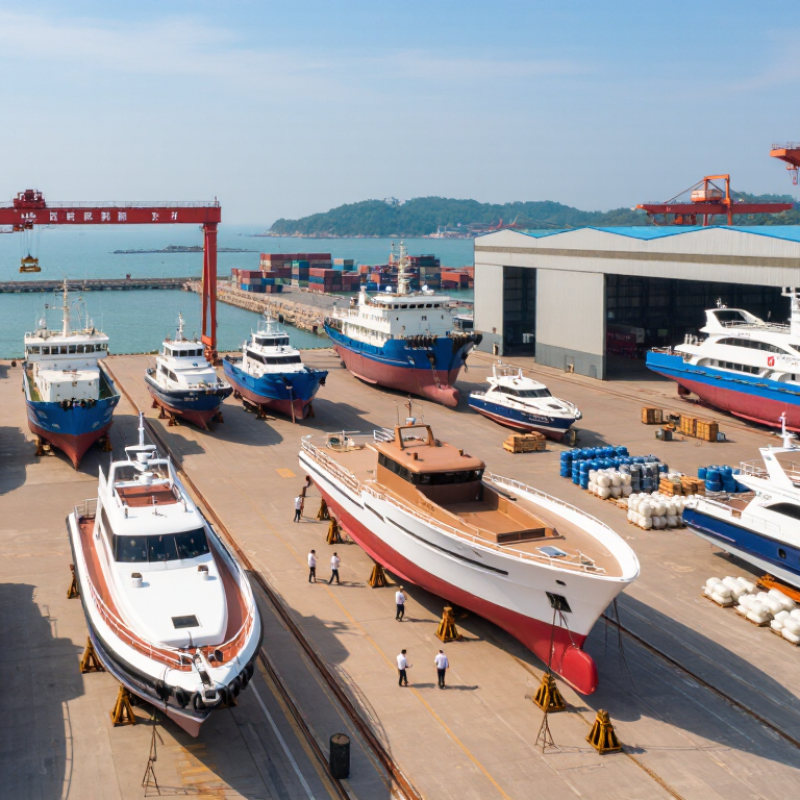
China has become an important sourcing destination for fiberglass boat manufacturers and suppliers. Its marine industry combines skilled composite technicians, established shipyards, and flexible production capacity. From fishing boats and patrol craft to leisure cruisers, Chinese builders serve varied commercial and private markets.

A reliable Fiberglass Boat supplier should offer more than attractive catalog photos. Buyers need clear specifications, verified material systems, and practical evidence of quality control. Important details include resin selection, laminate thickness, hull reinforcement, flotation design, and hardware installation. Factory visits, production videos, sample inspections, and independent testing can reveal differences between suppliers. Ask how the company manages mold accuracy, moisture protection, electrical work, and final water trials. Small details matter.

No ranking is perfect. Supplier capabilities can change quickly. Some factories excel at custom projects but lack export experience. Others offer strong documentation yet limited after-sales support. This guide examines leading Chinese manufacturers through experience, technical knowledge, production reliability, and customer service. It also considers certifications, delivery records, customization ability, and communication practices. Readers should compare evidence rather than trust impressive wording alone. A polished showroom proves little. A consistent inspection report says more. Before selecting a partner, confirm applicable maritime requirements in the destination market and define warranty responsibilities in writing. Careful research reduces costly surprises, although no supplier relationship is completely risk-free. That honest limitation deserves attention when evaluating China’s fiberglass boat industry.
China Top Fiberglass Boat Manufacturers and Suppliers

What Is a Fiberglass Boat and Why Is It Popular in China?

What Is a Fiberglass Boat and Why Is It Popular in China?

A fiberglass boat uses glass fibers set inside polymer resin, forming a strong FRP hull. Builders shape the material in molds, then add layers around stress points. This process creates smooth curves, stable weight, and flexible layouts. Fiberglass resists rust and usually needs less upkeep than steel. It also supports practical designs, from compact fishing boats to passenger craft.

The Global Fiberglass Market report by Grand View Research estimates continued market growth through 2030, supported by transport and marine applications.

China’s Growing Marine Manufacturing Base

China has become important because its coastal cities and inland waterways create steady demand for small vessels. Tourism, aquaculture, fishing, and water rescue all need efficient boats. Supply chains for resin, glass reinforcement, engines, and marine hardware are also nearby.

The China Association of the National Shipbuilding Industry reported 42.32 million deadweight tons of completed ships in 2023. That figure is not fiberglass-specific. However, it shows the depth of China’s wider marine manufacturing base. Production scale can reduce costs and shorten delivery times, though low price alone should never prove quality.

Tips

Check the laminate schedule, resin type, hull thickness, drainage design, and flotation system. Ask for test records and clear maintenance guidance. A glossy surface can hide weak bonding. Fiberglass is durable, but careless repairs may create future cracks. Supplier experience matters. So does inspection.
How to Evaluate China’s Fiberglass Boat Manufacturers

China Top Fiberglass Boat Manufacturers and Suppliers

How to Evaluate China’s Fiberglass Boat Manufacturers

Evaluating a fiberglass boat manufacturer requires more than comparing catalog prices. Visit the factory when possible. Check whether production areas are clean, organized, and properly ventilated. Ask to inspect molds, laminate schedules, and resin storage. Experienced suppliers should explain their fiberglass layers without vague promises. They should also provide material traceability and documented quality checks.

Examine finished boats carefully. Look beneath seats, inside lockers, and around fittings. Uneven gelcoat, trapped air, or rough edges may signal rushed workmanship. Request test records for hull strength, flotation, electrical systems, and engine installation. Confirm that drawings match the delivered boat. A polished showroom can still hide weak after-sales support. This is where many buyers become too optimistic.

Tips: Speak with recent customers, not only supplied references. Ask how defects were handled. Check export documents, production timelines, warranty terms, and spare-parts availability. Clarify who pays for corrective work. A reliable manufacturer accepts reasonable inspections and records changes in writing. Price matters, but a cheaper hull may require expensive repairs later. I would also order a sample unit before placing a large production order. It adds time. Still, that delay can reveal problems that photographs never show.

China Top Fiberglass Boat Manufacturers and Suppliers - How to Evaluate China’s Fiberglass Boat Manufacturers

Evaluation Dimension Recommended Weight What to Evaluate Reliable Evidence to Request Practical Benchmark Score
Manufacturing Experience 10% Years of fiberglass boat production, experience with the required hull type, and continuity of operations. Business registration records, dated product catalogues, export documents, project references, and factory-visit records. Prefer a documented production history of at least 5 years for standard models and proven experience with the requested boat category. 1–5
Factory Capability 12% Facility size, mould-making capability, lamination areas, assembly lines, storage, and in-house engineering resources. Factory audit, equipment list, production-flow chart, workshop photographs, and verified monthly capacity. A capable supplier should show dedicated mould, lamination, assembly, finishing, inspection, and packing areas. 1–5
Fiberglass Construction Quality 15% Hull-layup method, laminate consistency, structural reinforcement, bonding quality, core materials, and moisture control. Laminate schedule, material certificates, production inspection records, sample-cut results, and independent survey reports. Construction details should be documented and consistently applied; critical structural areas should have defined inspection points. 1–5
Materials and Traceability 10% Quality and traceability of resin, fiberglass reinforcement, gelcoat, foam or balsa core, hardware, and marine plywood. Supplier certificates, batch numbers, technical data sheets, purchase records, and incoming-material inspection reports. Each major material should be traceable to a batch and supported by current technical documentation. 1–5
Regulatory Compliance 12% Compliance with the regulations of the intended sales market, including safety, stability, electrical, fuel, and emissions requirements where applicable. Declaration of conformity, technical file, stability information, owner’s manual, test reports, and applicable conformity certificates. For boats sold in the European Economic Area, verify requirements under the current Recreational Craft Directive framework and applicable harmonised standards. 1–5
Quality Management System 10% Documented procedures for design control, incoming inspection, process control, final inspection, corrective action, and record retention. Valid quality-management certificate, audit reports, inspection checklists, non-conformance records, and corrective-action procedures. ISO 9001 certification is useful evidence, but the certificate scope and actual factory implementation must also be verified. 1–5
Customization and Engineering 8% Ability to modify layouts, consoles, fuel systems, electrical systems, seating, colours, accessories, and branding requirements. Engineering drawings, revision records, previous custom projects, prototype procedures, and approval workflow. Custom changes should be controlled through drawings, written specifications, revision numbers, and customer approval before production. 1–5
Testing and Inspection 10% Water testing, leak testing, electrical testing, engine installation checks, sea trials, stability checks, and final visual inspection. Factory acceptance test forms, sea-trial records, inspection photographs, defect lists, and third-party inspection reports. Every completed boat should have a documented final inspection and, where relevant, a water or sea-trial record. 1–5
Delivery and Export Readiness 6% Experience with export packing, container loading, shipping documents, customs paperwork, spare parts, and delivery coordination. Sample packing plan, commercial invoice, packing list, bill-of-lading examples, loading photographs, and export references. Supplier should provide clear Incoterms, realistic lead times, packing specifications, and a documented loading procedure. 1–5
Warranty and After-Sales Support 7% Warranty scope, response time, spare-parts availability, technical support, repair instructions, and handling of claims. Written warranty policy, service contacts, spare-parts list, claim procedure, response-time commitment, and reference feedback. Terms should clearly define coverage, exclusions, claim evidence, replacement parts, labour responsibility, and response deadlines. 1–5
Total Evaluation Weight 100%

Scoring method: Rate each dimension from 1 to 5, multiply the rating by the recommended weight, and compare suppliers using verified documents, factory audits, product inspections, and independent testing rather than quotations alone.

Key Product Types Offered by Chinese Boat Suppliers

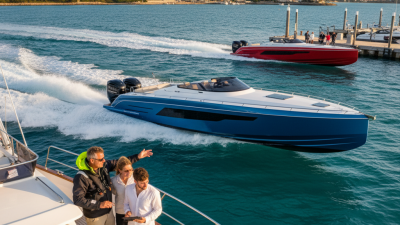
China’s fiberglass boat suppliers cover several practical product types, from compact fishing boats to offshore cruisers. A 2024 Grand View Research report estimates steady growth in the global recreational boating market, supported by rising demand for leisure and coastal activities. Fiberglass remains popular because it resists corrosion, keeps a smooth finish, and allows flexible hull shaping.

Fishing boats often feature raised casting decks, live wells, rod storage, and shallow drafts. Center-console boats suit coastal fishing, diving, and family transport. Bowriders provide open seating for inland recreation, while cabin cruisers add enclosed berths, small galleys, and marine toilets. Catamarans offer improved stability and larger deck areas. Some Chinese suppliers also produce sailing boats, luxury yachts, and customized workboats for commercial users.

Specifications need careful checking. A 2023 report from the National Marine Manufacturers Association recorded continued demand for outboard-powered boats in the United States, especially versatile models used for fishing and recreation. That trend influences export catalogs, but it does not guarantee equal quality across suppliers. Buyers should review laminate schedules, resin systems, fuel-tank materials, load capacity, and sea-trial records. Certification support, such as CE documentation and ISO-based production controls, also matters. The categories look simple. Real performance is not. A lighter hull may improve speed, yet poor reinforcement can create flexing, noise, or premature damage. Suppliers should explain those compromises clearly.

Manufacturing Standards, Materials, and Quality Control

China Top Fiberglass Boat Manufacturers and Suppliers
Manufacturing Standards, Materials, and Quality Control

Reliable fiberglass boat manufacturers begin with controlled production standards. Experienced yards document resin batches, laminate schedules, curing temperatures, and worker qualifications. These records make defects easier to trace. They also support consistent inspections across different hull sizes.

Materials matter greatly. Marine-grade fiberglass cloth provides structural reinforcement, while suitable resin protects the laminate from water absorption and fatigue. Core materials may improve stiffness without adding excessive weight. During practical inspections, I look for dry fiber, even resin saturation, and clean bonding surfaces. Small air pockets can become serious weaknesses. They should not be dismissed.

Quality control continues after molding. Technicians usually inspect hull thickness, surface finish, bulkhead bonding, and hardware installation. Moisture readings can reveal hidden problems around fittings and deck joints. Load testing and water trials provide useful evidence, but neither replaces careful visual inspection. Measurements must be recorded, not remembered.

A dependable supplier should share material certificates, inspection procedures, and repair records. Factory communication also matters. Clear drawings reduce mistakes between design and production teams. Some workshops still rely too heavily on visual checks. That is a weakness worth questioning. A smooth surface may conceal poor adhesion underneath. Buyers should request sample reports, production photographs, and an agreed acceptance standard before approving shipment. Supplier claims deserve verification.

How to Choose a Reliable Fiberglass Boat Supplier in China

How to Choose a Reliable Fiberglass Boat Supplier in China

Choosing a fiberglass boat supplier in China requires more than comparing prices. Request factory photos, production videos, and clear details about hull construction. A serious supplier should explain fiberglass layers, resin types, core materials, and reinforcement areas without vague promises. Ask for recent test records, quality certificates, and export experience for your target market.

Inspect a finished sample carefully. Check the gelcoat for bubbles, uneven color, and rough edges. Tap the hull lightly and observe inconsistent sounds, which may suggest weak lamination. Measure key dimensions against the drawings. Small errors can create expensive fitting problems later. A reliable supplier accepts reasonable inspections before shipment and provides written inspection standards.

Communication reveals practical reliability. Ask how the supplier handles design changes, replacement parts, packaging damage, and delayed production. Confirm payment stages, delivery dates, warranty terms, and responsibility for transport documents. Keep every agreement in a detailed contract. A video call with the production team can expose gaps between sales promises and workshop reality. However, one successful sample proves little. I would still order a pre-shipment inspection, even when the supplier appears experienced. That extra cost may feel unnecessary. It can prevent cracked fittings, poor drainage, or hidden laminate defects from reaching customers.