Top 10 Tips for Maintaining Your Fiberglass Yacht
Maintaining your fiberglass yacht is crucial for longevity and performance. Fiberglass yachts have revolutionized the boating industry, offering strength and versatility. According to a report by the Marine Industry Association, over 70% of new yachts sold in 2022 were fiberglass. This highlights their popularity and relevance in today's market.
Expert marine surveyor, John Anderson, stresses the importance of maintenance, stating, "Regular care can extend the lifespan of your fiberglass yacht exponentially." Neglecting maintenance can lead to costly repairs and reduced performance. Simple tasks, like cleaning and inspecting, can make a significant difference in preserving your investment.
It's easy to overlook minor issues until they become major problems. Sun damage and oxidation can drastically affect aesthetics and structure. Regular maintenance can mitigate these risks. Remember that a well-maintained fiberglass yacht not only enhances safety but also maximizes enjoyment on the water. This makes understanding and implementing these top tips essential for every yacht owner.

Essential Cleaning Techniques for Your Fiberglass Yacht
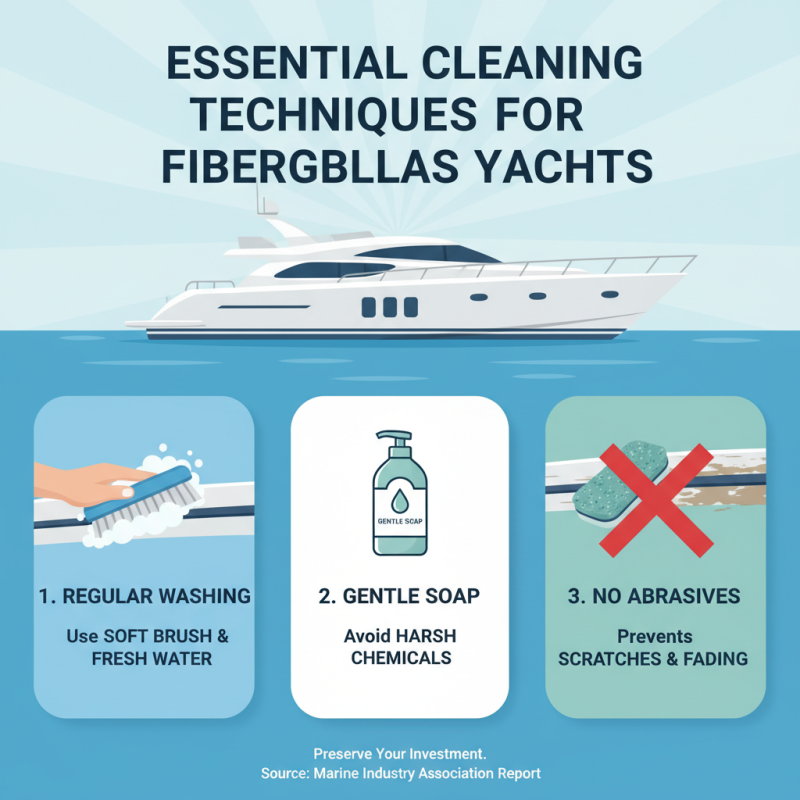
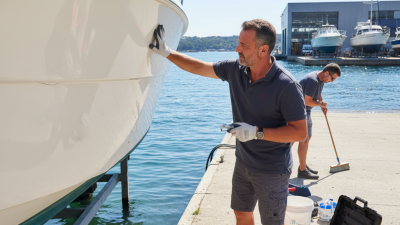
Cleaning your fiberglass yacht requires careful techniques to preserve its integrity. According to a report by the Marine Industry Association, improper cleaning can lead to damage, costing owners significant repairs. Regular washing is essential. Use gentle soap and fresh water to remove grime. Abrasive products can scratch the surface and lead to fading.
Many yacht owners overlook the importance of UV protection. Specialized waxes can protect against sun damage. A study in the Journal of Marine Research indicates that UV rays can degrade fiberglass over time. Applying a coat of wax every few months can mitigate this issue. However, applying too much can create a sticky residue, which attracts dirt.
Mold and mildew can become problematic. They thrive in the damp environment of a yacht. Regularly cleaning with vinegar or a mild bleach solution can help combat this. Yet, using bleach too frequently can weaken the fibers. Monitor your yacht’s condition closely and adjust your cleaning routine based on its needs. Each boat is unique and may require a different approach.
Regular Inspection: Key Areas to Check for Wear and Damage
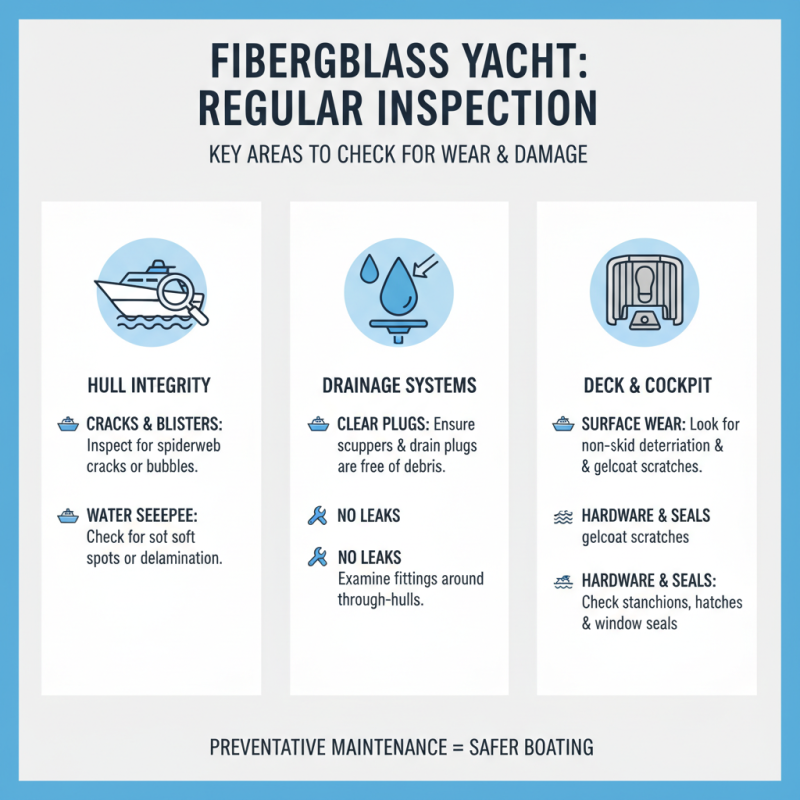
Regular inspections are vital for maintaining a fiberglass yacht. Check for cracks or blisters in the hull. These issues can lead to bigger problems if left untreated. Pay attention to the areas where water may collect. Ensure drain plugs are clear and free of debris. Examine the deck and cockpit for any signs of wear. Small leaks can grow over time, causing serious damage.
The fittings and hardware are also critical areas to inspect. Look for signs of rust or corrosion. This can weaken the structural integrity of your vessel. The gel coat on your yacht should be in good condition. Discoloration or fading indicates the need for repairs. Inspect the interior for mold or mildew, especially in hidden spots. A little attention now prevents larger issues later on.
It’s easy to overlook minor problems. Sometimes, we’re too busy or simply unaware. Regular inspections teach us to appreciate the finer details of our yacht. Embrace the process, even if it feels tedious. A well-maintained vessel enhances your overall sailing experience. Treat it with care, and it will reward you with many memorable journeys.
Protective Coatings: Choosing the Right Products for Your Yacht
Choosing the right protective coating for your fiberglass yacht can be a daunting task. Various products promise to keep your vessel in top shape. However, not all are equally effective. Consider the type of sailing you do. Will your yacht face harsh conditions or calm waters? This decision impacts your coating selection.
During application, surface preparation is crucial. Ensure that the surface is clean and dry. Any residue or moisture can lead to poor adhesion. For best results, follow manufacturer instructions meticulously. Remember, even a small flaw can compromise your yacht's protection.
Regularly inspect your yacht’s coating for signs of wear. Look for blisters, peeling, or fading. These issues can be early indicators that it's time to reapply. Many boat owners delay maintenance, thinking it's unnecessary. Often, they regret this choice later. Being proactive saves time and costs in the long run.
Top 10 Tips for Maintaining Your Fiberglass Yacht - Protective Coatings: Choosing the Right Products for Your Yacht
| Tip No. |
Tip |
Description |
Recommended Product Type |
| 1 |
Regular Cleaning |
Prevent dirt and grime buildup. |
Gentle Boat Soap |
| 2 |
UV Protection |
Use products with UV inhibitors. |
UV Protectant Spray |
| 3 |
Waxing |
Apply wax every few months. |
Marine Wax |
| 4 |
Inspect for Damage |
Check for cracks or blisters regularly. |
Repair Kit |
| 5 |
Proper Storage |
Store in a dry place to prevent moisture. |
Storage Cover |
| 6 |
Avoid Harsh Chemicals |
Use safe cleaning products. |
Eco-Friendly Cleaners |
| 7 |
Regular Polishing |
Maintain the shine and protect the gel coat. |
Polishing Compound |
| 8 |
Check Hardware |
Inspect all hardware for corrosion. |
Corrosion Inhibitor |
| 9 |
Use Protective Coatings |
Apply to surfaces for extra protection. |
Barrier Coat |
| 10 |
Consult Professionals |
Seek expert advice for maintenance. |
Professional Service |
Maintenance of Fixtures: Caring for Deck and Hull Accessories
Maintaining the fixtures on your fiberglass yacht is essential for preserving its overall beauty. Careful attention to deck and hull accessories can ensure that everything remains in top condition. Regular cleaning is a must. Use mild soap and water to wash away dirt and grime. Avoid harsh chemicals that can damage the surfaces.
Inspect all fixtures regularly. Look for signs of wear, such as cracks or discoloration. Jay-cocking areas around fittings can trap moisture and cause rot or rust. Replacing worn-out parts as soon as you notice them can save you from costly repairs later. Don’t forget about the seals. They need to be replaced periodically to prevent leaks.
While detailing your yacht, consider that perfection is difficult to achieve. A little fading here and there can give your yacht character. However, be aware of the bigger issues that can arise from neglect. Take the time to reflect on your maintenance routine. This could be an opportunity to improve your process for better results.
Top 10 Tips for Maintaining Your Fiberglass Yacht
This bar chart illustrates the importance of various maintenance practices for fiberglass yachts, based on their effectiveness in maintaining the condition of deck and hull accessories.
Winterization Tips: Preparing Your Yacht for Off-Season Storage
Winter is approaching, and preparing your fiberglass yacht for off-season storage is crucial. Start by thoroughly cleaning the boat. Remove any dirt and debris, focusing on hard-to-reach areas. A clean surface prevents mold and mildew. Don't overlook the nooks and crannies. Use appropriate cleaners to avoid damaging the gel coat.
Next, you need to drain all the water systems. This includes tanks, pipes, and pumps. Any remaining water can freeze and cause serious damage. Consider adding antifreeze to the plumbing system. This is essential in colder climates. Ensure that the bilge is also dry before storage.
Finally, check the battery and electronics. Disconnect the battery and store it in a cool, dry place. Protect your yacht with a good quality cover. A proper cover shields it from harsh winter conditions. Inspect the cover regularly for wear and tear. This reflects care for your yacht, even during the off-season.
Taking these steps may seem tedious, but neglecting them can lead to costly repairs later on.