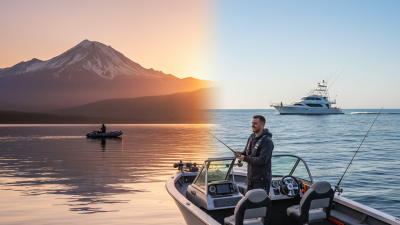
Choosing among the 10 Best Mini Speed Boats for Sale Worldwide requires more than comparing top speed. A Mini Speed Boat may look impressive beside a marina dock, yet its real value depends on hull design, engine efficiency, stability, range, and after-sales support. The International Council of Marine Industry Associations (ICOMIA) highlights production standards, market transparency, and responsible boating as essential industry priorities. These principles matter when comparing boats from different countries.
Market demand also supports careful research. The NMMA’s 2023 U.S. Recreational Boating Statistical Abstract reported about 11.6 million registered recreational vessels in the United States. This large installed fleet shows the importance of maintenance access, parts availability, and qualified service technicians. Meanwhile, Grand View Research’s recreational boating market analysis identifies rising interest in compact, flexible vessels for leisure and coastal use. However, global market estimates vary. Treat them as direction, not certainty.
Performance is only one part of the decision. A 4.5-metre boat with a responsive outboard can feel quick in calm water, but wind, chop, passenger weight, and fuel load change its behavior. Small details matter. Check the builder’s specifications, capacity plate, engine warranty, corrosion protection, and safety equipment. Confirm local certification requirements before purchase. Some listings provide limited testing information, which deserves caution. This guide compares ten notable models using practical ownership factors, not speed claims alone. No ranking is perfect. Your coastline, budget, experience, and storage space should shape the final choice.
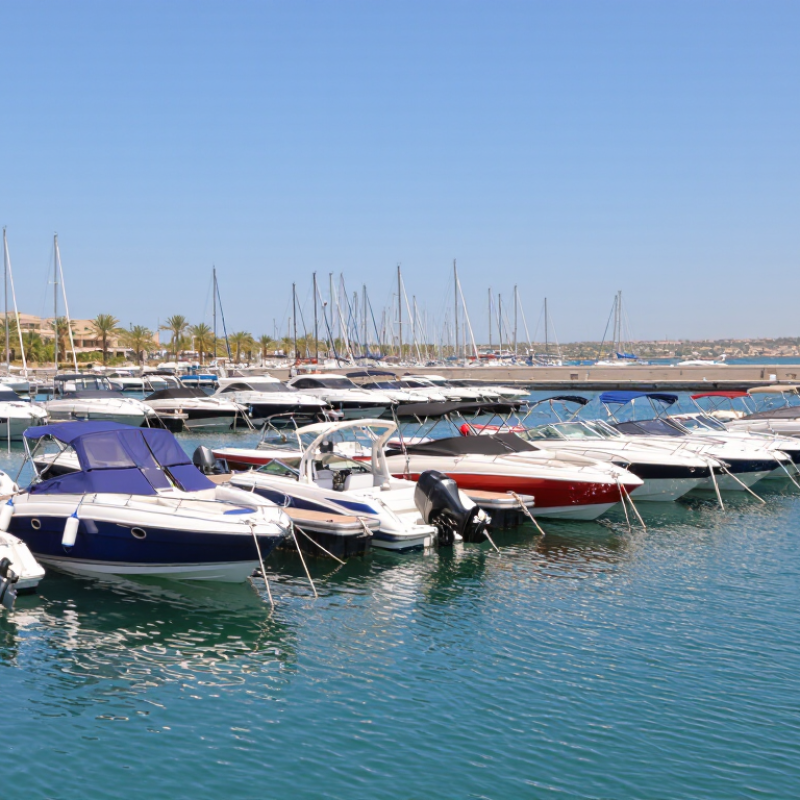
A mini speed boat is a compact motorboat built for quick handling, easy storage, and short recreational trips. Most measure roughly 10 to 18 feet, although definitions vary by region and hull design. Their lightweight structure can produce lively acceleration with a modest engine. This makes them practical for narrow lakes, coastal inlets, and sheltered rivers. However, small size does not remove risk. Wind, wakes, and sudden weight shifts can affect stability quickly.
Who should buy one? A mini speed boat suits solo drivers, couples, and small families who value simple ownership. It can fit beside a garage, travel on a light trailer, and launch without expensive equipment. New boaters may appreciate its responsive controls, but beginners should complete approved training first. Experienced users might enjoy fishing, short coastal runs, or practicing precise turns. It is less suitable for long offshore journeys, heavy passenger loads, or rough open water. I once underestimated how quickly a small hull reacts to a passenger moving aft. That mistake changed how I inspect seating and balance.
Tips: Check the published passenger and weight limits before comparing speed. Inspect the hull, steering, fuel system, and emergency equipment in person. Ask for maintenance records when buying used. Wear a properly fitted life jacket, carry communication equipment, and follow local boating rules. Test the boat in calm water before attempting faster runs. A fast-looking boat may still feel cramped, noisy, or tiring after one hour. Personal comfort deserves more attention than top speed.
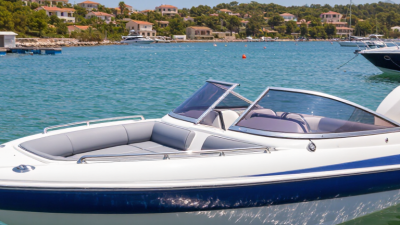
Typical top-speed comparison for compact recreational powerboats
Mini speed boats are generally trailerable powerboats under approximately 6 metres (20 feet), designed for short coastal trips, lakes, watersports and tender use. Actual speed depends on hull design, engine power, passenger load, fuel and sea conditions. Buyers should select a boat according to local licensing rules, safety equipment requirements and the number of people carried.
Choosing among the 10 best mini speed boats for sale worldwide requires more than comparing advertised top speed. Hull design comes first. A deep-V hull can soften choppy water, while a flatter hull usually feels quicker on calm lakes. Check the boat’s length, beam, dry weight, and maximum capacity together. A small cockpit becomes uncomfortable when two adults, fuel, and safety gear share limited space. Confirm the stated payload, not just the seating number. That detail is often overlooked.
Engine output should match the hull and intended water conditions. Excess power may increase acceleration but can reduce control and raise fuel use. Look for responsive steering, a reliable throttle, an emergency engine cut-off, and clear gauges. Battery access should be practical, even with wet hands. Closed-cell flotation, strong grab handles, navigation lights, and adequate freeboard matter more than a dramatic speed figure.
The U.S. Coast Guard’s 2023 Recreational Boating Statistics recorded 4,064 accidents, 3,844 injuries, and 556 deaths. Operator inattention and inexperience remain serious risks, so predictable handling deserves priority.
Maintenance costs also shape the real purchase price. The NMMA’s 2024 Recreational Boating Statistical Abstract reported continued demand for smaller recreational boats, reflecting their lower storage and transport burden. Still, inspect trailer capacity, corrosion protection, fuel-system access, and local service availability.
On a viewing, examine welds, steering cables, drain plugs, and gelcoat repairs closely. A polished finish can hide neglected hardware. I would test the boat with a realistic load, because an empty hull can feel impressively fast—and misleading.
The word “best” is slippery. For many buyers, a mini speed boat means a craft under 20 feet, easy to trailer and simple to store. NMMA’s 2023 U.S. Recreational Boating Statistical Abstract recorded 11.6 million registered recreational boats. About 95% measured below 26 feet. That supports strong demand for compact designs.
My worldwide shortlist includes a compact RIB, aluminum runabout, fiberglass bowrider, jet tender, electric day boat, center-console skiff, catamaran dinghy, tunnel-hull boat, cuddy cabin, and lightweight racing-style day boat. Each serves a different water pattern.
A RIB handles chop well. An aluminum hull tolerates beach landings. An electric boat stays quiet near marinas. A cuddy cabin adds shelter, but reduces cockpit space. Small details matter.
I inspect steering response, throttle control, drain plugs, tube seams, and trailer balance. The U.S. Coast Guard reported 4,032 recreational boating accidents in 2023, with 556 deaths and 2,641 injuries. Those figures are American, not global, but they should influence every purchase. I would question impressive speed claims without tested load data. A boat that feels lively with one person may struggle with four. Fuel range also changes sharply in wind and current. Buyers should verify local registration, engine limits, electrical standards, and service access before paying. It is easy to admire polished gelcoat. It is harder to judge an overlooked bilge pump.
10 Best Mini Speed Boats for Sale Worldwide?
Choosing among ten mini speed boats depends less on top speed and more on your real boating routine. A compact inflatable boat may suit fishing, calm lakes, and easy storage. A lightweight aluminum model handles shallow water and frequent launching. Small fiberglass boats often provide better comfort, but transport costs can rise quickly. Jet-powered designs offer strong acceleration, yet maintenance may require specialized technicians.
Set your total budget before comparing advertised prices. Include the trailer, registration, insurance, fuel, storage, safety equipment, and routine servicing. A boat priced at $8,000 may need another $2,000 before its first trip. Check engine hours, hull repairs, steering response, and corrosion. Ask for maintenance records. Arrange a water trial with an independent marine surveyor when possible. It is money well spent.
Match capacity to your usual passengers, not your optimistic plans. Two adults need different seating and stability from a family of four. For coastal use, prioritize freeboard, flotation, navigation lights, and weather protection. For inland recreation, a smaller engine may reduce fuel costs and simplify handling. Confirm local limits for engine power, registration, and trailer transport. A fast boat can feel exciting for ten minutes, then tiring in rough water. I would not ignore comfort or resale value. My own preference might change after one crowded afternoon aboard. Keep it realistic.
Where to Buy a Mini Speed Boat and What to Check First
A mini speedboat is easiest to source through authorized dealers, specialist brokers, boat shows, and established used-boat platforms. Dealers usually provide clearer service records and warranty options. Brokers can uncover older boats, but their inspections vary. The NMMA’s 2023 Recreational Boating Statistical Abstract recorded about 11.6 million registered recreational boats in the United States. That large ownership base supports a healthy second-hand market. Worldwide buyers should confirm import duties, registration rules, trailer requirements, and local safety equipment before paying a deposit.
Inspect the hull in bright daylight. Look for soft spots, repaired cracks, blistering, and uneven paint. Ask for engine hours, maintenance invoices, compression-test results, and corrosion photographs. A cold start reveals more than a warm engine. Test steering, throttle response, bilge pumps, navigation lights, and battery charging. During a sea trial, note vibration, trim response, water leaks, and unusual exhaust smoke. ABYC technical standards are useful reference points for electrical, fuel, and steering systems. However, compliance labels do not replace an independent marine survey.
Tips: Bring a surveyor, even for a small boat. Check the hull identification number against ownership documents. Confirm the trailer’s brakes, tires, bearings, and load rating. Never rely only on polished photos. I once overlooked a tired steering cable because the deck looked perfect. That mistake was expensive. A written purchase condition protects both sides.
| Rank | Mini Speed Boat Profile | Typical Length | Passenger Capacity | Typical Top Speed | Recommended Power | Hull and Drive Type | Typical Price Range (USD) | Best Buying Region | What to Check First |
|---|---|---|---|---|---|---|---|---|---|
| 1 | Compact Inflatable RIB | 3.0–3.6 m (9.8–11.8 ft) |
3–5 people | 25–35 knots | 15–30 hp | Inflatable tubes with a rigid fiberglass or aluminum floor; outboard motor | $4,000–$14,000 | Europe Australia North America |
Check tube pressure, seam bonding, transom condition, floor rigidity, motor hours, and whether the hull has been repaired. |
| 2 | Aluminum Utility Speedboat | 3.6–4.3 m (11.8–14.1 ft) |
4–5 people | 24–32 knots | 20–40 hp | Welded aluminum hull; outboard motor | $6,000–$18,000 | Canada Northern Europe New Zealand |
Inspect welds, keel and chines for impact damage, corrosion around fasteners, transom flex, and trailer condition. |
| 3 | Fiberglass Runabout | 4.0–4.6 m (13.1–15.1 ft) |
4–6 people | 28–38 knots | 30–60 hp | Planing fiberglass hull; outboard motor | $9,000–$28,000 | Mediterranean United States Southeast Asia |
Look for soft deck areas, gelcoat cracks, waterlogged core material, steering play, electrical faults, and service records. |
| 4 | Compact Jet Boat | 3.6–4.6 m (11.8–15.1 ft) |
3–5 people | 30–42 knots | 60–110 hp | Fiberglass or composite hull; internal jet propulsion | $15,000–$40,000 | North America Japan Australia |
Test reverse and steering controls, inspect the intake grate and impeller, check cooling flow, and verify engine-hours documentation. |
| 5 | Performance Dinghy | 2.7–3.6 m (8.9–11.8 ft) |
2–4 people | 22–34 knots | 10–25 hp | Lightweight inflatable or composite hull; portable outboard | $3,000–$11,000 | United Kingdom Southern Europe East Asia |
Confirm the legal maximum horsepower, inspect lifting points and transom bonding, and check that the outboard starts easily when cold. |
| 6 | Small Center-Console Boat | 4.3–5.2 m (14.1–17.1 ft) |
5–7 people | 28–40 knots | 40–90 hp | Planing fiberglass or aluminum hull; outboard motor | $12,000–$38,000 | Florida and Gulf Coast Mediterranean Caribbean |
Check capacity plate, fuel-tank installation, wiring, console fittings, bilge-pump operation, and steering or throttle response. |
| 7 | Electric Mini Speedboat | 3.0–4.5 m (9.8–14.8 ft) |
2–5 people | 8–20 knots | 5–20 kW electric drive | Composite, fiberglass, or aluminum hull; electric outboard or stern drive | $15,000–$55,000 | Western Europe Scandinavia Urban lakes worldwide |
Check battery age and state of health, charger compatibility, waterproof connectors, emergency isolation switch, and replacement-battery cost. |
| 8 | Mini Catamaran Speedboat | 4.0–5.0 m (13.1–16.4 ft) |
4–6 people | 25–38 knots | 30–70 hp | Twin-hull fiberglass or aluminum design; outboard motor | $10,000–$32,000 | Australia South Africa Southeast Asia |
Inspect both hulls for symmetrical damage, check crossbeam fasteners, confirm load distribution, and test handling in turns. |
| 9 | Aluminum River Sprint Boat | 3.7–4.6 m (12.1–15.1 ft) |
3–5 people | 26–36 knots | 30–60 hp | Shallow-draft welded aluminum hull; outboard motor | $7,000–$22,000 | United States Canada Central Europe |
Check the bottom for dents and abrasion, inspect the propeller and skeg, verify shallow-water cooling performance, and examine the trailer rollers. |
| 10 | Luxury Tender-Style Mini Boat | 4.0–5.5 m (13.1–18.0 ft) |
4–6 people | 25–40 knots | 40–100 hp | Finished fiberglass or composite hull; outboard or inboard drive | $20,000–$70,000 | Mediterranean Middle East Southeast Asia |
Verify structural survey results, inspect upholstery and hardware, test navigation equipment, and confirm ownership and import documents. |
| Figures are typical market ranges for new and used mini speed boats and are intended for comparison. Actual speed, price, capacity, and required licensing vary by hull design, engine, equipment, local regulations, taxes, shipping, and condition. Before purchase, arrange an independent marine inspection, a sea trial, an engine diagnostic check, and a document or ownership review. | |||||||||