Why Choose a Mini Speed Boat for Global Buyers?
For many international buyers, a Mini Speed Boat offers a practical balance between speed, portability, and operating cost. Its compact hull can fit smaller marinas, private docks, and trailer spaces. That matters in crowded coastal cities and remote holiday destinations.
Marine author Nigel Calder often stresses, “Reliability comes before performance.” This principle is especially important when comparing Mini Speed Boat models across global markets. A fast engine means little if maintenance support is limited. Buyers should examine fuel consumption, corrosion protection, spare-parts access, and service availability before choosing a model.
Details make the difference. A lightweight aluminum hull may simplify trailering. A stable seating layout can improve comfort during short coastal trips. A reliable outboard engine may reduce repair delays far from major ports. Buyers should also verify local registration, safety equipment, passenger limits, and environmental requirements. Regulations vary widely.
Not every small boat is genuinely efficient. Some models promise impressive speed but sacrifice stability or storage. That assumption can fail. A cheaper purchase may create higher long-term costs through repairs, transport, and difficult parts sourcing.
The strongest choice depends on the buyer’s water conditions, travel habits, and support network. Global customers should request clear specifications, warranty terms, inspection records, and realistic performance data. A Mini Speed Boat should feel manageable, not merely exciting. That is the less glamorous test. But it may be the most dependable one.
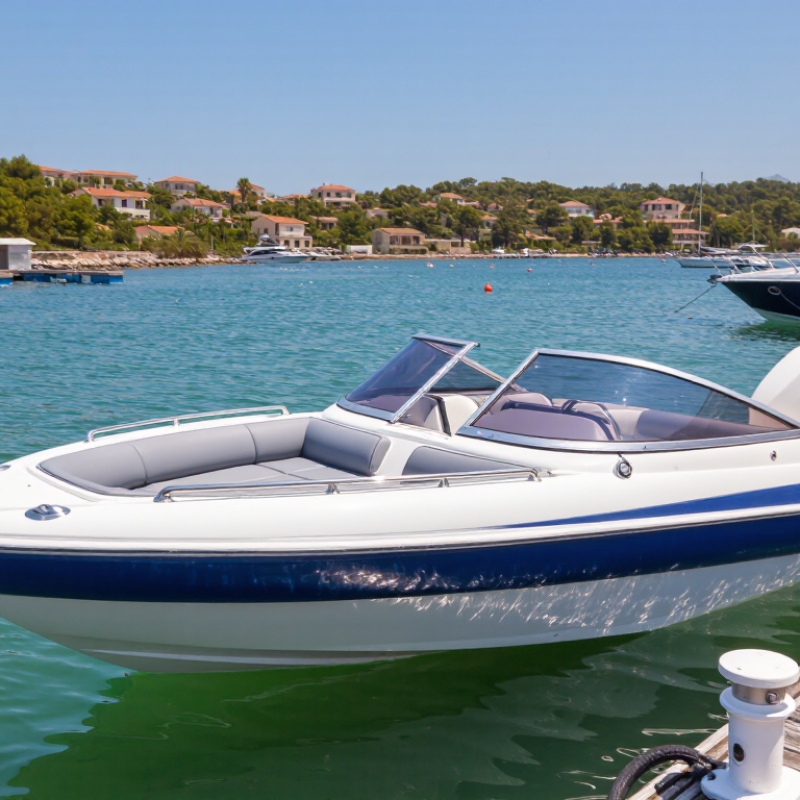
A mini speed boat is a compact motorized boat designed for quick, agile movement on water. It usually carries one to four people, depending on its hull size and rated capacity. Unlike a full-sized speedboat, it needs less storage space and often requires simpler launching equipment.
The term “mini” is not perfectly standardized. Some models are small rigid-hull boats, while others use inflatable chambers with a solid floor. Typical features include a lightweight hull, a modest outboard motor, steering controls, and built-in safety points. On a calm lake, one may respond quickly when turning. In choppy coastal water, the same small hull can feel less stable. That difference matters.
From practical inspections, buyers should check the boat’s maximum load, hull material, engine compatibility, and drainage design. A few centimeters of extra freeboard can improve comfort when passengers move around. Storage also deserves attention. Wet ropes, fuel containers, and life jackets need separate, secure spaces. Otherwise, a neat deck becomes crowded quickly.
Global buyers should confirm local registration, operator licensing, noise limits, and transport rules before purchase. These requirements vary between countries and waterways. Product manuals, test records, warranty terms, and accessible replacement parts can indicate a more reliable purchase. Performance figures may look attractive, but real results depend on passenger weight, water conditions, maintenance, and driving skill. A mini speed boat is convenient, though it is not automatically easy to operate.
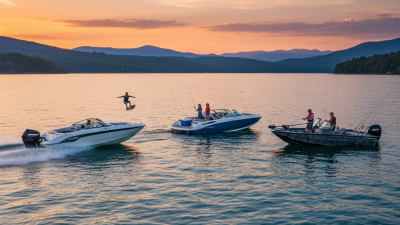
What Is a Mini Speed Boat?
A mini speed boat is a compact motorboat designed for recreational cruising, short-distance transport, fishing, and coastal or inland-water use. Typical models are easier to transport and operate than full-size boats, while offering practical passenger capacity and speeds for sheltered waters. The figures below represent common market ranges for compact boats approximately 2.8–4.5 meters long.
A mini speed boat uses a compact hull, an engine, and steering controls to convert power into forward movement. Many models rely on planing hulls. At higher speed, the hull rises partly above the water, reducing drag and improving fuel efficiency. This design feels lively in calm bays and sheltered coastal areas.
The engine may be petrol-powered or electric, depending on range, maintenance, and local infrastructure. An outboard motor makes servicing easier and leaves more room inside the boat. However, small dimensions limit passenger capacity, storage, and stability in rough water. That trade-off is real.
NMMA’s 2023 U.S. Recreational Boating Statistical Abstract recorded 11.6 million registered recreational vessels, showing continued demand for accessible boating. The U.S. Coast Guard reported 3,844 recreational boating accidents in 2023. Skill still matters more than speed.
Tips: Check the hull material, maximum load, fuel or battery range, and emergency equipment before purchase. Test turning response at low speed. Then assess acceleration gradually. A short boat can react sharply. Buyers should also compare transport weight, trailer requirements, and after-sales service availability. Electric versions may reduce noise, but charging time can disappoint during longer trips. Specification sheets help, yet real water conditions often reveal compromises.
For international buyers, a mini speed boat offers easier transport, storage, and practical coastal use. The National Marine Manufacturers Association reported 11.6 million registered recreational boats in the United States during 2023. This shows sustained demand for accessible boating equipment. Grand View Research also estimated continued growth in the global recreational boating market through 2030. Smaller vessels fit this changing demand.
Transport matters. A compact hull can simplify container planning, port handling, and inland delivery. Buyers may also need smaller storage spaces, lighter trailers, and less launching equipment. Operating costs can be more manageable, depending on engine size, fuel prices, and maintenance access. That matters in regions with limited marine service networks. It is not always cheaper.
Mini boats also suit short coastal trips, fishing, patrol support, and family recreation. Their shallow draft can help users approach calm beaches or narrow waterways. However, local rules still control registration, engine emissions, navigation lights, and operator licensing. Requirements differ between countries and sometimes between ports. Professional inspection remains worthwhile.
Comfort needs honest evaluation. A compact cockpit may feel crowded with several adults and equipment. Stability can also change quickly when passengers move. The International Maritime Organization stresses risk awareness, safety equipment, and responsible operation in recreational boating guidance. Buyers should check load limits, flotation design, spare-parts availability, and warranty support before payment. The smallest boat is not automatically the best boat.
Choosing the right mini speed boat starts with your actual water conditions, not its advertised top speed. A narrow hull may feel quick on calm lakes but become uncomfortable in coastal chop. Consider passenger weight, storage space, launching methods, and transport distance. A boat that fits your garage but cannot carry two adults safely is not a practical choice.
Inspect the hull carefully. Look for even construction, sealed compartments, secure steering connections, and accessible maintenance points. Electric systems need reliable battery protection and simple charging access. Fuel-powered models require ventilation and clean, reachable filters. During a test run, listen for unusual vibration and check how quickly the boat responds when turning. Small details matter.
Top speed is only one measure. Cruising comfort matters more.
I once compared boats mainly by speed and overlooked seat support. After twenty minutes, the ride became tiring, especially over small waves. That choice was not ideal.
Ask the seller for clear specifications, load limits, service guidance, spare-part availability, and written warranty terms. Request real operating videos when an in-person inspection is impossible. Photos can hide poor fittings.
Global buyers should also verify shipping dimensions, packing protection, import documents, and destination boating requirements. Local rules may affect engine output, passenger capacity, registration, or required safety equipment. Do not assume a model suitable for one region is automatically suitable elsewhere. A careful purchase leaves room for training, maintenance, and changing weather.
Global purchasing requires more than comparing engine power and hull design. A mini speed boat should match local waters, transport limits, and available maintenance support. The ICOMIA Global Recreational Boating Industry Statistics report shows strong international demand for recreational vessels, but ownership conditions differ sharply by region. Buyers should confirm import duties, registration rules, trailer dimensions, and approved safety equipment before payment. A compact boat is easier to move, yet storage can still become expensive in crowded coastal cities.
Safety deserves practical attention.
The U.S. Coast Guard recorded 3,844 recreational boating accidents, 556 deaths, and 2,641 injuries in its 2023 Recreational Boating Statistics report. Proper life jackets, an emergency communication device, and a reliable kill switch reduce avoidable risks. Inspectors should test steering response, throttle return, bilge drainage, navigation lights, and cold-start performance. Small details matter. A polished hull may still hide poor wiring or water intrusion.
Ownership cost extends beyond the purchase price.
Buyers should estimate fuel use, winter storage, insurance, servicing, replacement batteries, and trailer repairs. The National Marine Manufacturers Association reported approximately 11.6 million registered recreational boats in the United States in 2023, showing the scale of ownership, not its simplicity. Local technicians and spare-part access can determine whether a minor fault lasts one afternoon or several weeks. I would still question optimistic range claims, especially in wind and passenger-heavy conditions. A short sea trial often reveals more than a specification sheet.