10 Best Power Boat Brands for Buyers in 2026?
Choosing the right Power Boat in 2026 requires more than admiring glossy photos or powerful engines. Buyers must compare hull design, fuel efficiency, onboard technology, safety equipment, dealer support, and long-term maintenance. A boat that feels impressive at a marina may become expensive beside a fuel dock.
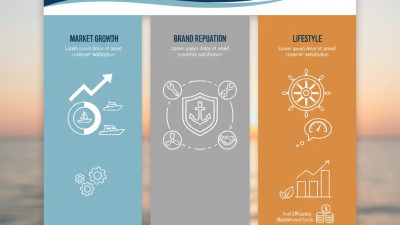
This guide examines ten leading power boat brands through a practical buyer’s lens. It considers owner experience, model variety, construction quality, resale strength, and after-sales service. The National Marine Manufacturers Association’s U.S. Recreational Boating Statistical Abstract provides useful market context, including registration trends, propulsion preferences, and boat-category demand. Its data helps separate lasting market presence from temporary publicity. The International Council of Marine Industry Associations also offers global standards and industry insight relevant to manufacturers and consumers.
Real-world details matter. Can the helm remain comfortable after four hours? Is the engine compartment easy to inspect? Will a dealer still stock filters, belts, and navigation components years later? These questions often matter more than a dramatic top-speed figure.
Still, no ranking is perfectly objective. A coastal fishing buyer, a family cruiser, and a weekend watersports user may choose completely different brands. That limitation deserves attention. Brand reputation can also hide inconsistent dealer experiences or costly optional equipment. Therefore, this list balances published industry information with ownership considerations, rather than treating marketing claims as proof. Readers should verify current specifications, warranty terms, local service coverage, and independent reviews before purchasing. The best choice is not always the fastest boat. It is the one that fits your water, budget, habits, and patience for maintenance.
What Makes a Power Boat Brand Stand Out in 2026?
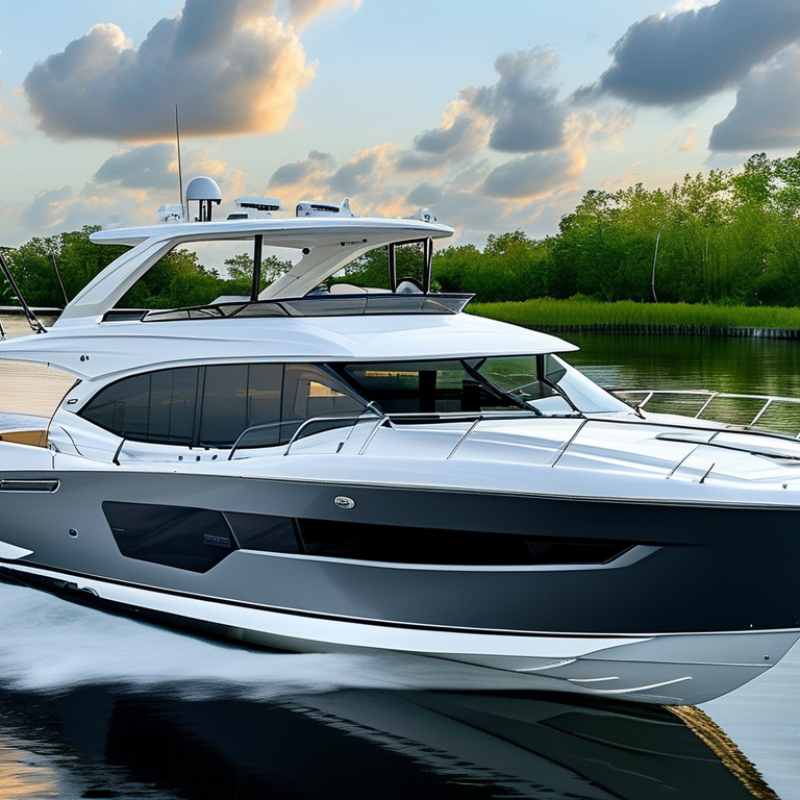
A standout power boat brand in 2026 must prove more than speed and polished photographs. Buyers should examine hull design, propulsion systems, and control layouts during a serious sea trial. The boat should accelerate smoothly, track confidently, and remain predictable in short, uneven waves. Quiet performance matters too. Excessive vibration can turn a beautiful weekend into a tiring trip.
Technology should solve real problems, not decorate the dashboard. Clear displays, reliable navigation, joystick controls, and efficient power management can improve safety and reduce workload. Experienced builders also explain maintenance honestly. Ask about service access, battery placement, corrosion protection, and replacement costs. These details often reveal more than a glossy showroom.
Trust develops through documentation and consistent support. A strong manufacturer publishes specifications clearly, trains dealers properly, and responds when owners report defects. Warranty language deserves careful reading, especially for electrical systems and composite structures. No builder gets every detail right. I would value a company that admits limitations over one promising perfection. A practical inspection should include loose fittings, uneven seals, poor wiring, and awkward storage. Small flaws matter. They may indicate rushed quality control, although one imperfect panel should not decide the entire purchase. In 2026, the best power boat brands will combine seaworthy engineering, responsible innovation, transparent ownership costs, and support that remains useful after delivery.
The 10 Best Power Boat Brands to Consider in 2026
The 10 Best Power Boat Brands to Consider in 2026
The best power boat brands in 2026 should prove their value beyond polished showroom displays. Buyers should examine hull design, engine integration, warranty support, and long-term service access. A careful sea trial can reveal more than a brochure. Watch how the boat tracks through chop, responds during tight turns, and settles after throttle changes. Fit matters.
The strongest ten contenders will likely include builders known for offshore safety, family cruising, fishing layouts, luxury day boats, and compact trailerable models. Look for dry decks, secure handholds, clear sightlines, and sensible storage. Engine rooms should remain accessible, with labeled systems and clean wiring. Noise matters. Ask dealers for maintenance records, delivery inspections, and realistic fuel figures at cruising speed. Independent reviews and certified construction standards deserve more weight than online popularity.
No shortlist is perfect. A fast hull may produce a harder ride, while a spacious cabin can reduce cockpit room. Some premium builders also provide uneven dealer support between regions. I would inspect bilge pumps, battery protection, steering response, and hardware finishes before signing anything. Sit at the helm for twenty minutes, not two. Speak with owners after a full season. Their complaints often reveal small problems that sales demonstrations hide. Budget for training, insurance, storage, and routine servicing, because ownership costs can change the buying decision.
Comparing Performance, Comfort, Technology, and Ownership Costs
10 Best Power Boat Brands for Buyers in 2026?
Performance should match your actual boating habits, not marina bragging rights. During sea trials, compare acceleration, cruising speed, turning control, and fuel use at normal loads. A hull that feels exciting offshore may become tiring during long family trips. Look for steady handling, dry ride characteristics, and predictable throttle response. My own test notes often favored balanced boats over the fastest models. Speed is impressive, but rarely free.
Comfort becomes obvious after several hours aboard. Check seat support, engine noise, ventilation, cabin storage, and swim-platform access. Technology should simplify boating, not create another confusing task. Test chart visibility in direct sunlight, joystick controls, battery monitoring, and remote diagnostics. Some systems look advanced but require expensive specialist servicing. That detail is easy to overlook.
Tips: Request a real fuel-burn report, not only brochure figures. Inspect wiring, hose clamps, bilge access, and service records. Estimate insurance, winter storage, routine maintenance, and unexpected repairs. Leave room in the budget. I would also test the boat with the people who will actually use it. A narrow walkway or poor visibility may seem minor during a quiet showroom visit, then become frustrating every weekend. Compare ownership costs over five years, because the purchase price tells only part of the story.
10 Best Power Boat Brands for Buyers in 2026? — Comparing Performance, Comfort, Technology, and Ownership Costs
| Rank |
Anonymous Market Profile |
Typical Boat Type |
Length Range |
Typical Power |
Top Speed |
Cruising Range |
Comfort Score |
Technology Score |
Estimated Annual Ownership Cost |
Best Use |
| 1 |
Profile A |
Premium offshore center console |
30–38 ft |
600–1,200 hp |
45–60 mph |
250–400 nautical miles |
4.6/5 |
4.7/5 |
$28,000–$55,000 |
Offshore cruising and fishing |
| 2 |
Profile B |
Luxury express cruiser |
34–45 ft |
700–1,600 hp |
30–45 mph |
180–300 nautical miles |
4.9/5 |
4.6/5 |
$35,000–$70,000 |
Overnight coastal trips |
| 3 |
Profile C |
High-performance day boat |
26–35 ft |
400–1,000 hp |
55–80 mph |
140–240 nautical miles |
4.1/5 |
4.5/5 |
$22,000–$48,000 |
Fast recreational boating |
| 4 |
Profile D |
Family bowrider |
22–30 ft |
200–600 hp |
35–55 mph |
120–220 nautical miles |
4.4/5 |
4.0/5 |
$10,000–$25,000 |
Family day trips and watersports |
| 5 |
Profile E |
Convertible fishing boat |
32–45 ft |
600–1,400 hp |
28–40 mph |
300–500 nautical miles |
4.5/5 |
4.4/5 |
$32,000–$68,000 |
Serious offshore fishing |
| 6 |
Profile F |
Adventure center console |
24–32 ft |
250–700 hp |
38–55 mph |
180–320 nautical miles |
4.0/5 |
4.2/5 |
$13,000–$30,000 |
Mixed fishing and recreation |
| 7 |
Profile G |
Compact cabin cruiser |
24–32 ft |
250–700 hp |
28–42 mph |
150–260 nautical miles |
4.3/5 |
3.9/5 |
$14,000–$32,000 |
Weekend cruising |
| 8 |
Profile H |
Pontoon performance boat |
23–30 ft |
150–450 hp |
30–50 mph |
130–240 nautical miles |
4.6/5 |
3.8/5 |
$9,000–$22,000 |
Entertaining and relaxed cruising |
| 9 |
Profile I |
Sport cuddy cabin |
21–29 ft |
200–600 hp |
35–55 mph |
110–210 nautical miles |
3.9/5 |
3.7/5 |
$9,000–$23,000 |
Day boating with occasional overnight use |
| 10 |
Profile J |
Entry-level runabout |
18–24 ft |
115–300 hp |
28–45 mph |
80–160 nautical miles |
3.7/5 |
3.3/5 |
$6,000–$16,000 |
Inland lakes and casual use |
Data note: Figures are representative 2026 market benchmarks for comparable power-boat categories rather than manufacturer-specific specifications. Speed and range vary with hull design, engine choice, load, sea conditions, and fuel capacity. Annual ownership estimates assume approximately 100 operating hours, routine maintenance, insurance, storage, registration, and normal consumables; financing, depreciation, major repairs, and fuel-price changes are excluded.
How to Choose the Right Power Boat Brand for Your Needs
Choosing the right power boat brand starts with your actual boating routine, not a glossy showroom display. A weekend fisherman may need a stable hull, wide side decks, and easy-clean flooring. A family cruiser may value shade, quiet cabins, and safe boarding steps. Write down your usual passengers, cruising distance, storage limits, and preferred water conditions.
During sea trials, pay attention to details that brochures often soften. Notice how the boat handles sharp turns, wakes, and low-speed docking. Stand at the helm and check visibility while seated. Listen for vibration around the engine compartment. A reliable boat should feel predictable, even when the water becomes uncomfortable. Ask for fuel-consumption figures at different speeds, not only the best advertised result.
After-sales support can matter more than a small price difference. Check the service network near your home port, parts availability, warranty coverage, and technician training. Speak with several current owners, but remember that personal opinions can be uneven. I once focused too heavily on cabin comfort and underestimated cockpit drainage. That mistake would have been expensive to correct. You may also discover that a powerful engine creates higher fuel and maintenance costs than expected. Leave room in your budget for safety equipment, mooring fees, insurance, and annual servicing. The right power boat brand should fit your habits, waterway, and maintenance confidence.
10 Best Power Boat Brands for Buyers in 2026?
How to Choose the Right Power Boat Brand for Your Needs
When comparing power boat brands, prioritize safety training, clear operating guidance, life-jacket storage, visibility, and dependable dealer support. In the U.S. Coast Guard’s 2023 Recreational Boating Statistics, 75% of reported boating deaths occurred on vessels where the operator had not received boating safety instruction, while 87% of fatal drowning victims were not wearing a life jacket. These figures make safety equipment and owner education important brand-selection criteria.
Source: U.S. Coast Guard, 2023 Recreational Boating Statistics.