How to Choose the Best Small Speed Boat for Sale
Choosing a Small Speed Boat is about more than top speed. The right boat should fit your waters, passengers, storage space, and towing setup. It should also feel manageable when the wind rises or the dock gets crowded. Small details matter: a clear helm, secure handholds, and room for a life jacket within reach.
The National Marine Manufacturers Association’s 2023 economic-impact reporting estimated that recreational boating contributed $230.3 billion to the U.S. economy and supported 812,000 jobs. That figure describes the wider industry, not demand for any particular boat. Still, it shows how many buyers and businesses shape the market. Options can vary sharply in hull design, engine power, construction, and equipment. A low asking price may hide needed repairs or missing essentials. That happens.
This guide explains how to compare small speed boats for sale with practical questions in mind. Consider where you will launch, how many people will ride, and whether your vehicle can tow the loaded boat. Ask for maintenance records, inspect the hull and engine, and arrange a qualified survey when appropriate. A test ride can reveal vibration, awkward seating, or poor visibility that photos cannot show. No checklist removes every risk. But a careful comparison can help you choose a boat that suits real outings, not just an appealing specification sheet.
Define Your Intended Use and Typical Boating Conditions
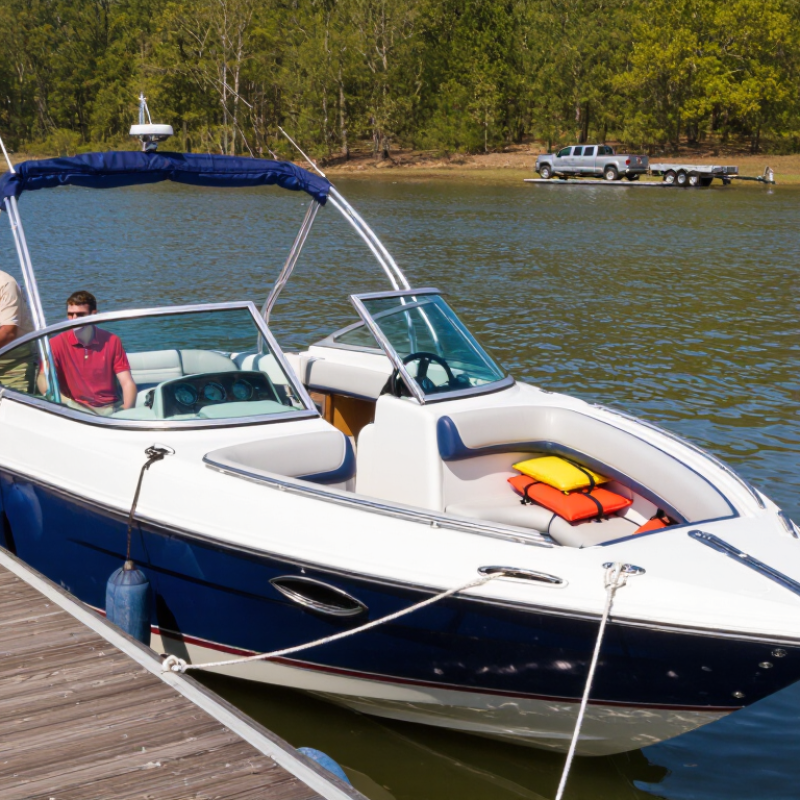
Before comparing small speed boats for sale, picture a normal day on the water, not an ideal one.
Will you fish in sheltered coves, tow a light tube, or carry family across a breezy lake? Each use asks something different of the boat. A fishing trip may need open deck space and room for tackle, while family outings call for secure seating and easy boarding. Count the people and gear you usually bring. Then check the boat’s rated capacity; a boat that feels roomy at the dock can feel crowded once bags, coolers, and passengers are aboard.
Conditions matter just as much. Calm ponds, shallow ramps, tidal currents, and short, choppy waves place different demands on a hull and motor. Think about your usual launch site, too: a steep ramp or limited parking can make a manageable boat frustrating to use. If possible, inspect the boat in person and arrange a qualified inspection or sea trial. Notice how it handles with a realistic load, not just an empty hull. Wind changes things. A little caution helps. It is easy to imagine boating only on sunny afternoons, but your typical water and weather may be less forgiving. Be honest about that.
Compare Boat Types, Dimensions, and Passenger Capacity
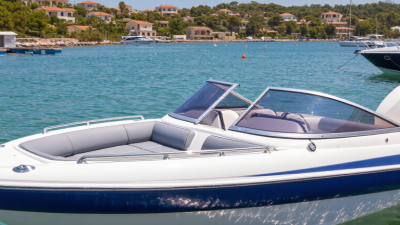
A small speed boat can look roomy at the dock and feel crowded once passengers, bags, and gear are aboard. Compare the hull style with the trips you actually plan to take. A compact runabout offers open seating for casual day trips, while a small bowrider adds forward seats but less protected storage. A lightweight open skiff may be easier to handle and launch, though it can feel exposed in choppy water. Comfort matters.
Check length and beam, not just the advertised seating count. Length affects storage and maneuvering; beam gives a rough sense of usable space and stability, but hull design also matters. Measure your garage, trailer area, or slip before viewing a boat. Then sit in every seat and check whether knees, controls, and walkways have enough room. Small details count.
Passenger capacity is a limit, not a comfort promise. Read the capacity plate and compare its rating with the combined weight of people, fuel, and equipment. A boat rated for six may feel best with fewer passengers when carrying coolers or fishing gear. Ask the seller for the boat’s manual and maintenance records, and inspect the hull, steering, and engine with a qualified marine technician. I once underestimated how much space a child’s life jacket and a packed cooler could take. Leave room for the unexpected.
Inspect Hull Condition, Safety Features, and Maintenance Records
A small speedboat can look polished while hiding costly damage. Check the hull in bright, angled light. Look for hairline cracks near fittings, uneven patches, soft spots, and fresh paint that may conceal repairs. Press gently around the transom and inspect the underside for impact marks. Small clues matter. If possible, ask a qualified marine surveyor to check for moisture and structural problems; a quick dockside glance cannot reveal everything.
Test the boat on the water, not just at the dock. Confirm the engine starts cold, steering feels even, and the bilge pump works. Check that properly sized life jackets, a throwable flotation device, fire extinguisher, and sound-producing device are present and serviceable. The U.S. Coast Guard’s 2023 Recreational Boating Statistics reported 564 boating deaths and 2,126 injuries that year, underscoring why safety equipment deserves more than a cursory glance. Review maintenance records for dated engine services, repair invoices, and recurring issues. A neat folder helps, but it proves little without matching engine hours and a consistent service history. I would treat missing records as uncertainty, not automatic proof of neglect.
Compare Asking Prices, Ownership Costs, and Seller Documentation
A low asking price can be tempting, but compare boats with similar length, age, engine hours, and trailer condition.
A small speed boat with faded upholstery may be a fair buy; one with neglected engine service may not be.
Check several current listings, and note what each price includes. That matters.
Estimate ownership costs before making an offer.
Ask about recent engine servicing, then budget for routine maintenance, fuel, insurance, storage, and repairs.
Look closely at the propeller, steering, tires, and hull for visible wear or damage. A mechanic’s inspection can uncover problems a short test run misses.
Keep a cushion.
Costs are easy to underestimate, especially when storage or repairs are unfamiliar.
Ask the seller for service records, available ownership documents, and any manuals or repair receipts. Compare document details with the boat itself, including its identification markings, and ask for clarification when dates or descriptions do not match. Gaps are not automatic proof of a problem, but they deserve follow-up. I would not treat a polished listing as evidence of careful maintenance; paperwork and an independent inspection offer more useful support. Before paying, confirm what equipment, trailer, and spare parts are included in the sale.