What Type of Small Fiberglass Boat Is Best?
Choosing the best Small Fiberglass Boat depends on how, where, and why you plan to use it. A calm lake requires different features from a tidal coastal inlet. Fishing, family cruising, rowing, and short camping trips also place different demands on the hull. It depends.
In practical testing, stability is often more valuable than impressive speed. A wide beam can make casting safer, while a moderate-V hull may improve comfort over small waves. However, deeper hulls usually require more power and can become harder to launch alone. Weight matters too. A lightweight boat may fit on a smaller trailer, but it can feel less planted when passengers move around. These trade-offs deserve honest attention.
Construction quality should be checked through the laminate, transom, fittings, and manufacturer’s specifications. Look for clear information about maximum capacity, recommended horsepower, flotation, and trailer weight. Reputable builders explain these limits and provide consistent documentation. Independent owner reports can add useful experience, though online opinions are not always reliable. Inspect the deck for soft areas, examine hardware for corrosion, and confirm that storage compartments drain properly.
The ideal Small Fiberglass Boat is not automatically the largest or fastest model. It should match your launching routine, water conditions, maintenance ability, and realistic passenger load. A boat that feels excellent during a dealer demonstration may become awkward on a windy ramp. That possibility is easy to overlook. This guide compares common hull styles, layouts, sizes, and intended uses to help you make a safer, more informed choice.
Types of Small Fiberglass Boats and Their Main Uses
What Type of Small Fiberglass Boat Is Best?
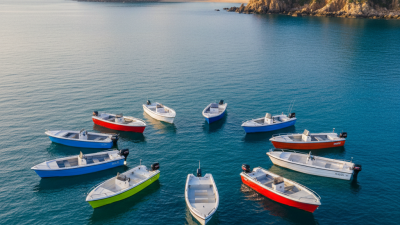
Small fiberglass boats differ mainly by their layout, stability, and intended use. A compact runabout works well for day trips, swimming, and relaxed family outings. Its open cockpit provides flexible seating and easy movement. However, limited storage can become frustrating during longer trips. It is comfortable on calm water, but less suitable for rough conditions.
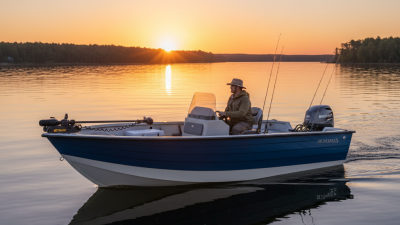
A fishing skiff offers a practical platform for casting, bait preparation, and carrying basic equipment. Its shallow draft allows access to narrow rivers and protected coastal areas. A wider hull usually feels steadier when someone moves around the deck. Still, excessive stability claims deserve careful thought. Weight distribution, passenger numbers, and weather affect handling more than advertisements suggest.
A small center-console boat suits anglers who need clear deck space and quick access around the hull. It can also support short coastal trips, harbor work, and light utility tasks. For overnight use, a compact cuddy cabin provides shelter and dry storage, though sleeping space remains limited. A fiberglass dinghy is useful as a tender, fishing boat, or simple harbor craft. I once underestimated how much maintenance small compartments require. Water collects in overlooked corners. Before choosing, inspect the hull, drainage, fuel system, and load capacity carefully. Match the boat to realistic water conditions, not occasional hopes.
Key Factors for Comparing Small Fiberglass Boat Designs
What Type of Small Fiberglass Boat Is Best?
Choosing a small fiberglass boat starts with its intended water, not its appearance. The NMMA’s 2023 U.S. Recreational Boating Statistical Abstract recorded about 11.6 million registered recreational boats. That large market includes very different hull requirements. A narrow, moderate-V hull can reduce drag and towing weight. A deeper-V hull offers a softer ride in short, steep waves. It usually needs more power and fuel.
Beam, weight, and cockpit layout deserve equal attention. The U.S. Coast Guard’s 2023 Recreational Boating Statistics reported 3,844 recreational boating incidents nationwide. That figure does not prove one hull is safer, but it supports careful attention to stability, visibility, and passenger capacity. Walk around the cockpit before buying. Check whether two adults can move without blocking the helm. Small details matter.
Fiberglass construction can provide a rigid hull and consistent shape, yet quality depends on laminate design and workmanship. ABYC standards recommend evaluating flotation, fuel systems, electrical systems, and capacity labeling. I also compare the stated displacement with the trailer’s realistic load. Manufacturers sometimes present dry weight, while owners carry batteries, fuel, anchors, and coolers. The difference can be substantial. My own mistake was choosing speed over freeboard. It looked efficient at the dock, but spray came aboard quickly in rougher water. No design wins every test.
What Type of Small Fiberglass Boat Is Best? — Key Factors for Comparing Small Fiberglass Boat Designs
Typical characteristics of small recreational fiberglass boats, generally about 14–22 ft (4.3–6.7 m) long. Specifications vary by model, load, hull shape, and configuration; use the capacity plate and manufacturer’s specifications for any particular boat.
| Boat Design |
Typical Length |
Common Capacity |
Typical Hull Draft |
Best Suited For |
Key Advantages |
Main Trade-Offs |
| Utility / Open Skiff |
14–18 ft (4.3–5.5 m) |
Often 2–5 people, depending on size and rated capacity |
About 8–14 in (20–36 cm) at rest; varies with load and hull design |
Protected lakes, calm bays, fishing, and general-purpose outings |
Open layout, straightforward access, and relatively shallow draft |
Limited weather protection and storage; a light hull can feel less comfortable in chop |
| Bass Boat |
16–21 ft (4.9–6.4 m) |
Often 2–4 people, subject to the capacity plate |
About 12–18 in (30–46 cm) at rest |
Freshwater fishing, casting, and reaching fishing spots efficiently |
Fishing-focused deck space, rod storage, and layouts designed for casting |
Less seating and general-purpose space; elevated decks require care while underway |
| Center Console |
17–22 ft (5.2–6.7 m) |
Often 4–7 people, depending on layout and rated capacity |
About 12–20 in (30–51 cm) at rest |
Fishing and day trips in bays, lakes, and suitable coastal conditions |
Walk-around access, adaptable cockpit, and good visibility from the helm |
Limited cabin space and shade on many layouts; suitability offshore depends on the specific boat and conditions |
| Bowrider |
16–22 ft (4.9–6.7 m) |
Often 5–10 people, subject to the capacity plate and seating layout |
About 18–30 in (46–76 cm) at rest |
Family day boating, watersports, and passenger-focused outings |
Multiple seating areas, open bow seating, and versatile recreation space |
Bow seating is exposed to spray; not usually optimized for fishing or overnight use |
| Cuddy Cabin |
18–22 ft (5.5–6.7 m) |
Often 4–7 people, depending on cabin size and rated capacity |
About 20–30 in (51–76 cm) at rest |
Day trips where sheltered storage, a small berth, or a basic changing space is useful |
Enclosed space for gear and limited overnight or weather shelter |
Cabin reduces open deck space; a compact cabin is not the same as a full-size berth or enclosed head |
Best Small Fiberglass Boats for Fishing and Angling
What Type of Small Fiberglass Boat Is Best?
Best Small Fiberglass Boats for Fishing and Angling
For fishing and angling, a small fiberglass boat should match your water and fishing style. A 12- to 16-foot hull often offers a useful balance between stability, storage, and easy trailering. Flat-bottom designs feel steady in calm lakes and shallow coves. However, they can become uncomfortable when wind raises short waves. A moderate-V hull cuts through chop better and gives anglers a softer ride.
In my experience, a wide casting deck matters more than polished fittings. It gives room for tackle boxes, landing nets, and two anglers moving carefully. Check the cockpit depth, because low sides may feel unsafe when landing a strong fish. Fiberglass resists rot and cleans easily, but cracks near the transom deserve serious attention. I once overlooked a small hull blister. That repair became expensive.
Tips: Test the boat before buying, if possible. Stand on the deck and shift your weight. Listen for flexing or unusual creaks. Measure the storage spaces with your actual rods and gear. A secure anchor locker prevents tangled lines. Choose enough power for wind and current, but avoid excessive weight at the stern. Inspect the drain plug, fuel system, and flotation compartments. Wear properly fitted life jackets, and check local boating requirements before every trip.
Best Small Fiberglass Boats for Recreation and Family Use
For recreation and family use, a small fiberglass bowrider or open-deck runabout often offers a useful balance of seating, stability, and easy handling. A hull around 16 to 20 feet can fit several passengers without demanding a large storage space. Look for high sides, secure handholds, and a nonslip floor, especially when children move between seats. Room to move. A simple layout also leaves space for a cooler, towels, and life jackets. Still, extra seating can make a small boat feel crowded once bags and fishing gear come aboard.
Before choosing, match the boat’s rated capacity to the people and equipment you expect to carry. Check seat comfort, shade options, and whether the engine size suits your usual water and passenger load. A wide bow may be pleasant at anchor, but it can bounce more in choppy conditions. On a family outing, that detail matters. Ask to inspect storage compartments and try sitting in every seat; brochures rarely show where knees and wet shoes actually go. Fiberglass is durable, but scratches and neglected fittings still need attention. A slightly less polished boat with a practical layout may serve your family better than one with features you seldom use.
What Type of Small Fiberglass Boat Is Best for Family Recreation?
Typical maximum passenger capacities for popular small fiberglass boat types
Deck boats typically offer room for the largest groups, while bowriders and center consoles balance passenger space with versatile recreation. These figures are approximate examples for small boats; actual capacity depends on the model and must be confirmed on its capacity plate.
How to Choose the Right Small Fiberglass Boat for Your Needs
What Type of Small Fiberglass Boat Is Best?
The best small fiberglass boat is the one that fits your water, crew, and routine. Think about where you will use it: a sheltered lake, a slow river, or a breezy coastal harbor. A compact runabout suits casual rides and swimming, while a small fishing boat offers open deck space and practical storage. There is no perfect all-rounder.
Check the rated capacity, not just the number of seats. Add passengers, fuel, safety gear, and a cooler; the weight builds quickly. Picture loading the boat at a ramp on a windy afternoon. Will you have enough room to move safely? A deeper hull may feel steadier in choppy water, but it can require more power and careful handling. Test the layout if possible.
Your towing vehicle, storage space, and maintenance habits matter, too. Measure the garage or parking area before choosing a length. Fiberglass is durable, but scratches and surface damage still need attention; inspect the hull and fittings regularly. Smaller boats are easier to store, yet cramped seating can wear thin on a long day. That trade-off is easy to miss. Choose based on the trips you actually expect to take, not the occasional grand plan.