How to Choose the Best Fiberglass Boat for Your Needs?
Choosing the right fiberglass boat can be a challenging task. With the increasing popularity of fiberglass boats in recent years, market reports indicate that they now represent over 60% of the boat manufacturing sector. This rise is attributed to their durability and lightweight nature. However, not all fiberglass boats are created equal. It's essential to consider your specific needs before making a decision.
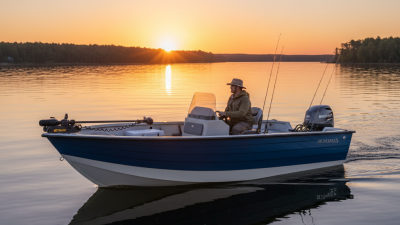
Many boaters overlook crucial factors when selecting a fiberglass boat. According to industry experts, the boat's intended use, size, and maintenance requirements should guide your choice. For instance, a small fishing boat differs significantly from a family cruiser. Understanding these differences can reduce the risk of buyer’s remorse. Furthermore, some manufacturers may not provide adequate warranty support, leaving buyers exposed.
The decision-making process could be overwhelming. With numerous brands and models available, taking time to research is vital. Expert reviews and customer feedback are excellent starting points. Reflect on what features are necessary for your adventures. A well-informed choice will ensure you enjoy every moment on the water.

Understanding Different Types of Fiberglass Boats and Their Uses
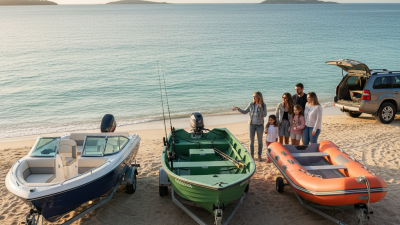
When selecting a fiberglass boat, understanding the various types available is crucial. Each type serves distinct purposes, from fishing to leisure cruising. According to the National Marine Manufacturers Association (NMMA), approximately 90% of new recreational boats sold in the U.S. are made from fiberglass, highlighting its popularity and versatility. V-hull boats are ideal for rough waters, while flat-bottomed boats offer stability in calm conditions.
For recreational activities, bowriders and deck boats provide ample space and comfort, making them perfect for family outings. Sailboats, too, are made from fiberglass, often preferred for their lightweight and durable properties. Research indicates that fiberglass boats maintain their integrity longer than other materials, making them a reliable choice for many boaters.
Tip: Consider your primary boating activities before making a choice. Assess your storage options and how you'll transport the boat.
Finding the right fit can be daunting. Prioritize stability and ease of handling, especially if you are new to boating. Check for necessary features like storage compartments and seating.
Tip: Test different models before committing. Your comfort level with handling the boat is key. Don't rush the decision; each type has unique benefits and limitations.
Evaluating Size and Capacity: Finding the Right Fit for Your Activities
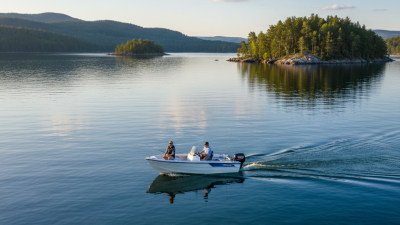
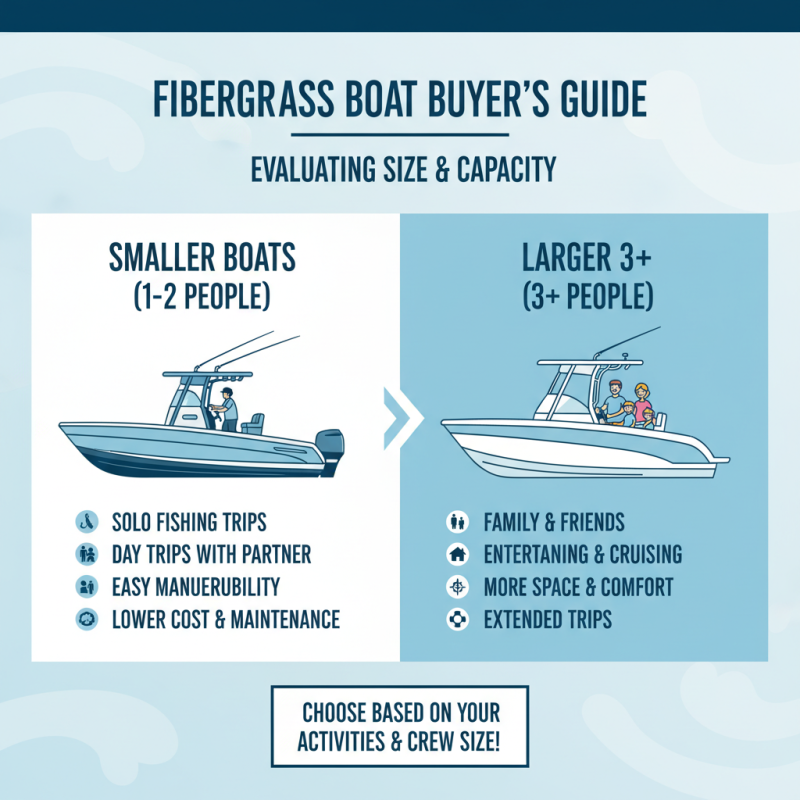
Choosing the right fiberglass boat involves careful consideration of size and capacity. Your activities will greatly influence the type of boat you need. Think about how many people will typically join you. A small boat is perfect for solo fishing trips or a day out with a partner. However, if you plan on hosting family or friends, look for a larger model.
When assessing size, also consider the intended use. Are you planning to cruise, fish, or engage in water sports? A boat designed for watersports will need additional capacity for equipment and passengers. The layout is equally important. Make sure there’s enough space to move around comfortably.
Tips: Measure the storage needs for gear and personal items. Visualize your outings and think about who will join you. Lastly, don't underestimate the importance of weight capacity. Even a well-sized boat can struggle if overloaded. Reflect on your choices. Choosing the wrong size can lead to discomfort or safety issues. Always prioritize functionality over appearance.
Assessing Hull Design: Performance Characteristics of Various Shapes
Choosing a fiberglass boat requires careful assessment of hull design. The shape of the hull affects performance significantly. A deep-V hull provides superior stability and better handling in rough waters. According to a report by the National Marine Manufacturers Association, over 60% of boat owners prefer this design for its performance in choppy conditions.
Flat-bottom hulls, on the other hand, excel in shallow waters. They offer speed and maneuverability, making them ideal for lakes and rivers. However, their stability can be a concern in larger waves. Research indicates that about 30% of boaters prioritize speed over stability. This trade-off must be weighed during the selection process.
Catamaran designs provide another option. They have two parallel hulls, distributing weight evenly. This structure enhances stability and speed. However, they can be more challenging to maneuver in tight spaces. A study noted that catamarans represent around 15% of the market. Understanding these hull shapes helps you make a better choice. Many buyers overlook these factors, focusing too much on aesthetics rather than performance.
Performance Characteristics of Various Fiberglass Hull Designs
Analyzing Construction Quality: Key Features of Durable Fiberglass Boats
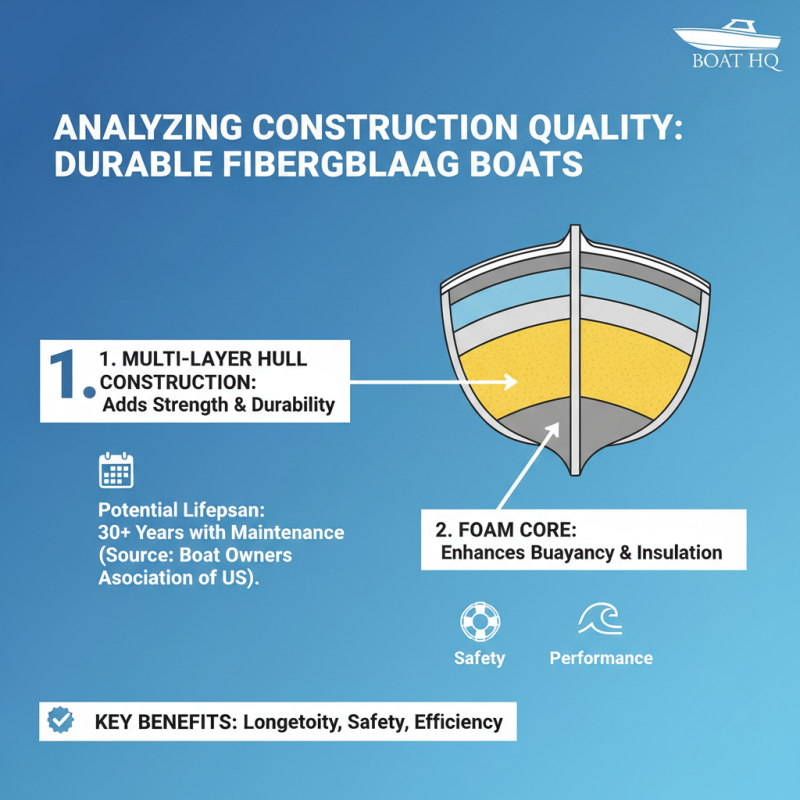
When choosing a fiberglass boat, construction quality is crucial. Durable fiberglass boats often feature multi-layer hull construction. This adds strength and durability. According to the Boat Owners Association of the United States, a well-constructed fiberglass boat can last over 30 years with proper maintenance. Many boats incorporate a foam core for added buoyancy and insulation. This design choice enhances both performance and safety on the water.
Another critical aspect is the quality of resin used in the construction. High-quality epoxy resins contribute to a stronger, lighter boat. Industry reports indicate that boats with epoxy resin can increase lifespan by 20%. However, not all manufacturers prioritize material quality, leading to potential issues down the line. Inspecting the layup schedule and resin type is essential for long-term satisfaction.
Additionally, consider how well the boat has been maintained. A seemingly durable boat can hide structural weaknesses if not properly cared for. Visit marinas and talk to users about their experiences. Observing signs of wear, such as soft spots or cracks, can reveal construction faults. This insight is invaluable. Balancing durability and practical use is key when selecting a vessel that will meet your needs effectively.
Considering Maintenance Needs: Long-Term Investment in a Fiberglass Boat
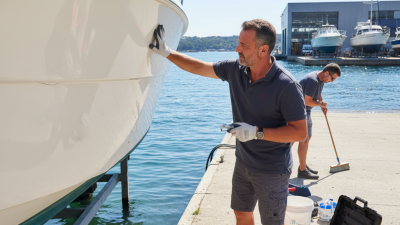
When investing in a fiberglass boat, maintenance is a crucial consideration. A well-chosen fiberglass vessel can last for decades, but aging materials require attention. Routine inspections are essential to identify any cracks or blisters. According to the National Marine Manufacturers Association, approximately 70% of boat owners face problems due to inadequate maintenance. This statistic underscores the necessity of a proactive approach.
Regular upkeep can seem time-consuming but is vital for longevity. Cleaning the hull, checking the gel coat, and ensuring proper drainage can prevent costly repairs. Industry reports suggest that neglecting such tasks can lead to repair costs that exceed maintenance investments by 300%. Ensuring you have access to skilled professionals for repairs can make a significant difference.
Consider the boat's usage when evaluating maintenance needs. Heavier use can accelerate wear, increasing the frequency of required maintenance. Surprisingly, about 55% of fiberglass boat owners admit they underestimate maintenance needs, leading to unexpected expenses later. A realistic assessment of your capabilities and commitment to regular upkeep is essential when selecting the best fiberglass boat for your lifestyle and financial plans.