Choosing a Fiberglass Yacht in 2026 requires more than comparing glossy photos, prices, and cabin layouts. A yacht may look flawless at the marina, yet hide moisture damage beneath its deck or tired systems behind polished panels. The right choice depends on construction quality, maintenance history, handling, and your intended cruising area.
This guide examines the practical details that experienced buyers should inspect. We will consider hull laminate, core materials, resin systems, deck strength, engine access, electrical equipment, and onboard comfort. A professional marine survey remains essential, especially when buying a used yacht. Ask for service invoices, repair records, builder information, and evidence of regular haul-outs. Do not rush.
Sea trials also reveal what brochures cannot show. Watch the helm response, engine vibration, bilge water, noise levels, and behavior in moderate waves. Stand inside the cabin after sunset. Small weaknesses become obvious then. Real use matters.
The 2026 market may offer improved navigation electronics, efficient propulsion options, and smarter energy systems. However, newer technology does not automatically mean better value. Replacement costs, software support, battery condition, and technician availability deserve careful review. It is easy to become impressed by a touchscreen and overlook a poorly sealed hatch.
A reliable decision balances expert advice with honest self-assessment. Will you cruise coastal waters, cross open passages, or spend weekends aboard? Your answer affects size, range, stability, storage, and maintenance demands. Some recommendations may seem obvious, but every buyer has different priorities. Even careful research can miss something. That is why independent verification, realistic budgeting, and a cautious sea trial remain the strongest safeguards when selecting your next Fiberglass Yacht.
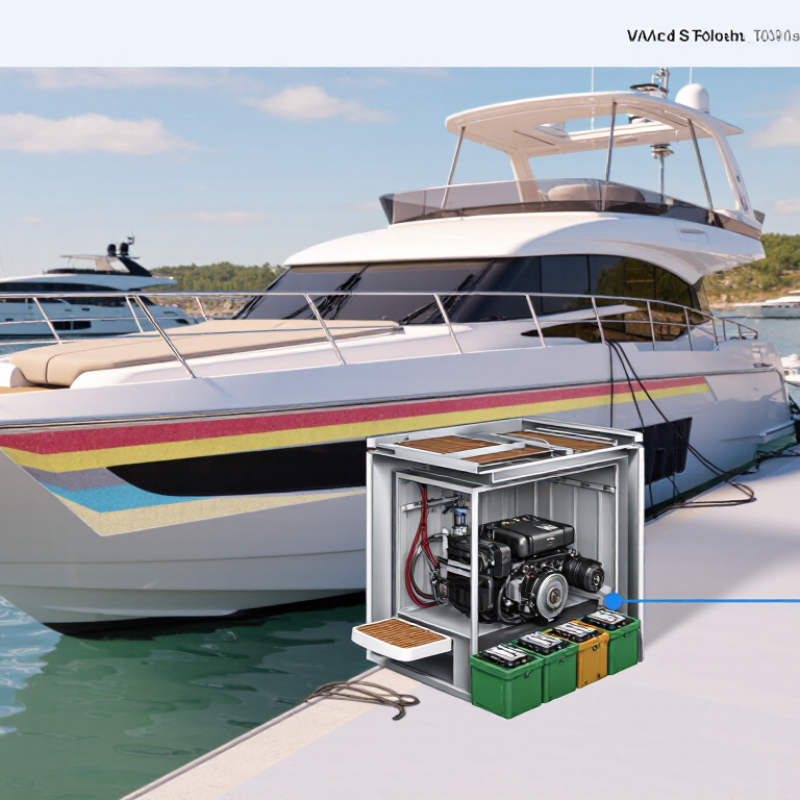
Fiberglass yachts suit different water activities, so the hull type matters more than the cabin finish. A lightweight planing yacht reaches coastal destinations quickly and feels lively in calm conditions. It may pound uncomfortably in short, steep waves. A displacement yacht travels more slowly but offers better fuel efficiency and steadier motion during long passages. Think about your usual route, not your dream itinerary.
Construction quality deserves close inspection. A marine surveyor should check laminate moisture, hull fairness, deck movement, bulkhead bonding, and water intrusion around fittings. Tap testing can reveal unusual changes in sound, but it cannot replace professional equipment or experience. During a sea trial, observe vibration, steering response, engine temperature, and bilge water after running. Small faults matter. I would also inspect storage access, because difficult maintenance spaces become expensive frustrations. A yacht can look polished and still need serious work beneath the surface. That is where a careful buyer must slow down and question attractive assumptions.
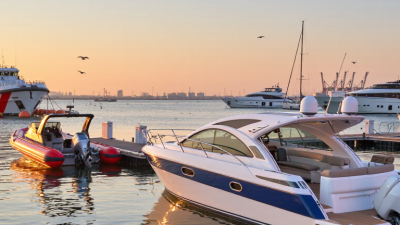
Choosing a fiberglass yacht in 2026 starts with a realistic budget, not an attractive listing price. A 35-foot yacht may cost $180,000, yet purchase expenses can add 10% to 15%. Survey fees, registration, insurance, delivery, and safety equipment quickly increase the first payment.
Ownership costs deserve closer attention. Marina fees often become the largest annual expense, especially in popular coastal areas. Allow for fuel, electricity, winter storage, cleaning, and routine repairs. A practical reserve is 8% to 12% of the yacht’s value each year. That figure is not perfect. Older engines, neglected systems, or frequent cruising can push it higher. Ask the marina for written rates, not rough estimates.
Maintenance should be inspected before negotiation. Fiberglass usually handles sunlight and seawater well, but moisture can enter through damaged fittings or poorly sealed hardware. Hire an independent marine surveyor to check the hull, deck, rudder, plumbing, electrical panels, and engine installation. Request service records and compare them with the survey findings. I would also budget for a haul-out during the first year, even after a clean inspection. Small faults sometimes remain hidden until the yacht is lifted. Keep cash available for replacement pumps, corroded fasteners, batteries, and unexpected labor. Financing payments should remain manageable after these costs, not before them.
How to Choose a Fiberglass Yacht in 2026?
A fiberglass yacht should begin with its hull, not its polished interior. Check the laminate schedule, core material, and bonding details. Vacuum infusion can improve consistency, but workmanship still matters. Tap-test accessible areas for dull sounds or hidden voids. A qualified marine surveyor should inspect bulkhead joints, keel attachment, and moisture levels. During a sea trial, I watch for vibration, flexing, and unusual creaks. Small noises deserve attention.
Design affects safety and daily comfort. A narrow hull may feel efficient, while a wider beam can provide more living space. Review the deck layout carefully. Can one person move safely during rough weather? Size also affects marina fees, handling, fuel use, and maintenance effort. A larger yacht is not automatically better. I once underestimated storage needs on a smaller boat. That mistake changed how I evaluate galley space and engine access.
Tips: Compare the yacht with your real cruising habits. Measure berth length, cockpit seating, and refrigerator capacity. Test every hatch and latch. Check whether electronics, batteries, and plumbing remain serviceable after installation. Choose onboard features for reliability, not appearance alone. Solar systems, efficient cooling, stabilizing equipment, and modern navigation tools can improve comfort, but added complexity needs skilled support. Request construction records, service history, and independent inspection results before making a decision. Allow room for doubt. Feelings can mislead.
| Evaluation Dimension | Typical Options or Range | What the Data Means | Recommended Verification |
|---|---|---|---|
| Hull Material | Glass-reinforced plastic (GRP), commonly called fiberglass | A cured polymer matrix reinforced with glass fibers. It offers corrosion resistance and relatively low maintenance compared with steel or aluminum. | Review the laminate schedule, resin type, reinforcement orientation, and construction drawings. |
| Hull Construction Method | Hand lay-up, vacuum infusion, or resin-transfer processes | Vacuum-assisted processes can improve resin distribution and repeatability, while hand lay-up remains widely used and can be structurally sound when properly controlled. | Ask for quality-control records, cure specifications, void inspection results, and independent survey findings. |
| Core Construction | Solid laminate, foam core, balsa core, or a hybrid structure | Cored panels can provide high stiffness at lower weight, but moisture intrusion or poor bonding can reduce performance. Solid laminate is generally more tolerant of localized impact. | Check core type, bonding details, moisture readings, edge sealing, and high-load attachment points. |
| Hull Form | Displacement, semi-displacement, or planing hull | Displacement hulls prioritize efficiency at moderate speed; planing hulls require substantially more power but can achieve higher speeds; semi-displacement designs balance both characteristics. | Compare intended cruising speed, fuel consumption curves, sea-trial behavior, and handling in head seas. |
| Hull Length Overall (LOA) | 8–12 m: compact cruising; 12–18 m: family or extended cruising; 18–25 m: large yacht use | Longer yachts usually offer more interior volume, storage, tank capacity, and stability, but purchase, berthing, insurance, and maintenance costs generally increase. | Measure usable interior length and beam rather than relying only on advertised LOA. |
| Beam and Stability | Approximately 3.0–5.5 m for many yachts in the 10–20 m range | Greater beam can increase interior space and initial stability, but may affect marina compatibility, resistance, and motion characteristics. | Confirm maximum beam against marina limits and evaluate heel, roll, and trim during a sea trial. |
| Draft and Operating Area | About 0.9–1.5 m for shallow-draft designs; about 1.5–2.5 m for many offshore designs | Shallower draft improves access to bays and inland waterways, while deeper draft can support a larger keel or underwater profile and may improve directional stability. | Compare loaded draft with local channel depth, tidal range, grounding risk, and lift-out facilities. |
| Engine and Propulsion | Single or twin diesel engines; shaft drive, pod drive, or waterjet on selected designs | Twin engines can improve maneuverability and redundancy but add weight, installation complexity, and service costs. The suitable power depends on displacement, hull form, and target speed. | Review engine hours, service history, cooling systems, exhausts, shaft alignment, and fuel-consumption data. |
| Fuel and Water Capacity | Fuel: roughly 500–5,000 L; freshwater: roughly 300–2,000 L, depending on size and mission | Capacity determines practical range and time between refueling or water loading. Actual endurance depends on speed, sea state, generator use, and guest numbers. | Calculate range from usable capacity, reserve requirements, and real-world cruising consumption rather than tank size alone. |
| Accommodation Layout | 1–5 cabins, 1–4 heads, and separate crew or utility areas on larger layouts | Cabin count does not equal comfortable capacity. Ventilation, berth dimensions, privacy, storage, and access to bathrooms strongly affect liveability. | Inspect standing headroom, berth length, mattress ventilation, natural light, and emergency escape routes. |
| Electrical System | 12 V or 24 V DC systems, shore power, battery banks, inverter, and optional generator or solar array | Higher electrical loads from air conditioning, refrigeration, navigation electronics, and watermakers require greater generation and battery capacity. | Check battery age, charging sources, cable protection, circuit labeling, load calculations, and galvanic protection. |
| Safety and Navigation Equipment | Navigation display, depth and speed instruments, radar, AIS, VHF radio, bilge pumps, life rafts, and fire systems | Equipment requirements vary by jurisdiction and operating category. Redundancy and accessibility are as important as the number of devices installed. | Confirm compliance with current local regulations, inspection dates, service intervals, and backup navigation methods. |
| Onboard Comfort Features | Air conditioning, heating, watermaker, stabilizers, hydraulic platform, outdoor galley, and entertainment systems | Comfort equipment improves usability but adds weight, energy demand, installation complexity, and recurring maintenance. | Prioritize features that match the climate, cruising profile, crew size, and available technical support. |
| Structural and Moisture Inspection | Visual inspection, percussion testing, moisture meter readings, ultrasonic testing, and targeted core sampling | Fiberglass itself does not rust, but laminate damage, delamination, water intrusion, blistering, and poorly sealed fittings can create significant repair costs. | Use an independent marine surveyor and inspect through-hulls, keel joints, rudder bearings, chainplates, bulkheads, and deck hardware. |
| Ownership and Maintenance Cost | Annual operating expenses commonly include berth, insurance, fuel, scheduled service, antifouling, haul-outs, and equipment replacement | Costs vary widely by size, location, engine hours, usage, age, and equipment level. A larger yacht normally requires more specialized labor and infrastructure. | Prepare a three-year budget using documented service records and local quotes before purchase. |
| Best-Fit Selection Score | Suggested weighting: construction 30%, seaworthiness 25%, layout 20%, operating cost 15%, onboard features 10% | A weighted score helps prevent attractive interior features from outweighing structural condition, safety, or suitability for the intended cruising area. | Score each shortlisted yacht consistently after document review, onboard inspection, and a properly loaded sea trial. |
How to Choose a Fiberglass Yacht in 2026?
Inspect the engine cold, not after a convenient warm-up. Look for oil mist, cracked hoses, corroded clamps, and black exhaust smoke. During a sea trial, record starting time, operating temperature, vibration, and charging voltage. A clean engine room can still hide neglected maintenance. That is easy to miss.
Test every system under realistic load. Switch on navigation lights, pumps, refrigeration, electronics, and the windlass together. Check batteries, shore-power protection, bilge alarms, fuel lines, steering cables, and bonding connections. The 2023 U.S. Coast Guard Recreational Boating Statistics recorded 4,064 accidents, 3,844 injuries, and 556 deaths. Safety equipment deserves more than a quick inventory. Confirm correct life-jacket sizes, fire extinguishers, emergency signaling devices, and clear escape routes.
Fiberglass quality needs patient inspection. Use a moisture meter around through-hulls, chainplates, windows, and deck fittings. Tap suspect areas for dull sounds, then inspect laminate edges inside lockers. Look for print-through, blister repairs, stress cracks, poorly finished bulkheads, and waterlogged core material. Compare findings with ABYC technical guidance and the International Council of Marine Industry Associations’ recreational boating statistics. A professional survey should include documentation, not just photographs. However, a survey is not magic. Independent engine diagnostics and an electrical specialist may reveal problems missed during a short visit. Budget for that imperfection.
Choosing a fiberglass yacht in 2026 requires more than comparing glossy specifications. Study each manufacturer’s construction records, warranty terms, production consistency, and technical support. Ask how hull moisture, laminate schedules, resin systems, and bulkhead bonding are documented. A polished showroom proves little. Request references from owners with similar cruising plans, not only recent buyers. Independent evidence matters.
Arrange a sea trial in realistic conditions, including crosswinds, engine maneuvering, and rougher water when safe. Check steering feedback, vibration, engine temperatures, electrical loads, bilge access, and noise at cruising speed. Open lockers after sailing. Water, dust, or unfinished edges can reveal weaknesses hidden during a dockside inspection. Record what feels excellent and what feels merely acceptable. My judgment can be wrong, especially after an exciting first impression. Repeated checks are valuable.
Hire a qualified marine surveyor before signing, and define the survey’s scope in writing. The report should address structural moisture, osmosis indicators, hardware installation, safety equipment, and service history. A survey is not a guarantee. Use its findings to negotiate repairs, pricing, or a withdrawal deadline. Long-term value depends on corrosion control, parts availability, resale demand, interior durability, and annual maintenance costs. A cheaper yacht may become expensive through neglected systems and difficult repairs. Keep a realistic ownership budget. Leave room for surprises.