Choosing the best Racing Boat to buy is not simply a matter of picking the fastest hull or newest model. The right choice depends on where you plan to race, your experience, and how much maintenance you can handle. A boat suited to sheltered club courses may feel very different offshore, where changing conditions can test both equipment and crew. Start by identifying your racing class and checking which boats are eligible. Rules and specifications can change, so confirm current requirements with the relevant race organizers before committing.
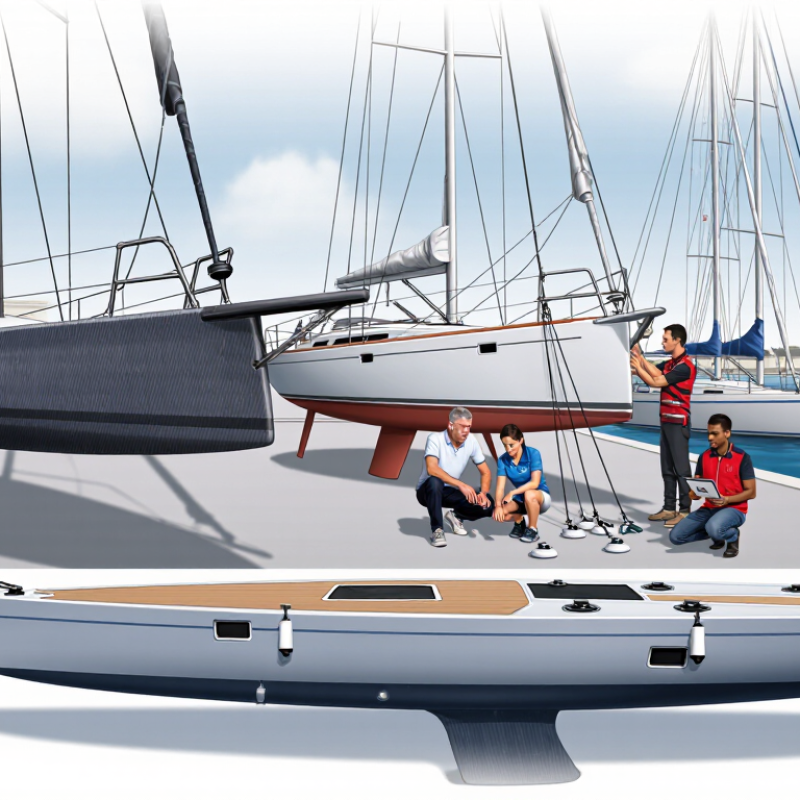
Small details matter. Look closely at the hull for repairs, soft spots, or uneven surfaces, and inspect the mast, sails, standing rigging, and fittings. Ask for maintenance records and, if possible, see the boat launched and sailed. A confident seller is helpful, but that is not enough. An independent marine surveyor or experienced racing mechanic can spot problems that are easy to miss during a quick viewing. Their assessment is especially useful for older boats or complex systems. Set a realistic budget that includes transport, storage, replacement sails, safety equipment, and routine upkeep. I would not assume the purchase price tells the whole story; it rarely does. Compare a few boats in similar condition, and think carefully about whether speed, reliability, or easier handling matters most to you. The best choice is the one you can maintain, crew, and race with confidence—not merely the one that looks quickest at the dock.
Before comparing hulls, decide what “racing” means for you. Are you aiming for short club sprints, offshore distance events, or regular crew training? Each calls for different stability, storage, handling, and speed priorities. Be honest about your experience, too. A lively boat can be thrilling in flat water and tiring when gusts build.
Study the water you will actually sail. NOAA’s National Data Buoy Center archives observed wind and wave measurements; check nearby stations across different seasons, not just on a calm test day. The U.S. Coast Guard’s 2023 Recreational Boating Statistics recorded 564 boating deaths, with drowning accounting for 75% of deaths. These figures do not measure racing performance, but they underline why sea state, cockpit protection, and safety equipment belong in your buying criteria. A narrow hull that feels fast in smooth water may be a poor match for steep chop or frequent, rough launches.
Tips: Visit the venue in typical conditions. Ask local racers about gusts, currents, and launch access. Bring a notebook. Compare boats with your usual crew and gear aboard; a solo test can mislead. If conditions vary, prioritize a forgiving setup over a tiny speed advantage. I have to admit, this choice is rarely perfect on paper.
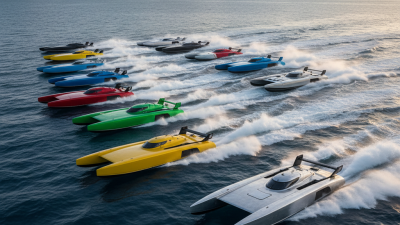
Choosing a racing boat starts with the water and the crew, not the top speed listed in a brochure. Dinghies are light, responsive, and often affordable to maintain. Their quick acceleration rewards precise sail trim, but small mistakes show immediately. Speed has a price. In gusty, crowded courses, handling demands can tire out a new team.
Skiffs trade stability for speed. Their narrow hulls and large sails can deliver strong performance in suitable wind, especially with an experienced crew. They are less forgiving when conditions shift. A keelboat, by contrast, carries ballast that helps it stay upright and can suit longer races or mixed-skill crews. It may feel slower to turn, and ownership usually involves more storage and upkeep. Crew matters.
These strengths are conditional. A light dinghy may excel in sheltered water but struggle in steep chop; a heavier keelboat may feel composed there, yet lose ground in light air. Before buying, compare local race formats, typical wind, launch access, and crew availability. Ask to sail each type in realistic conditions, and inspect the hull, rigging, and sails with a qualified surveyor. It is tempting to choose the fastest class on paper. That can be the wrong measure; a boat your team can handle consistently may produce better results.
A racing boat’s hull determines how it accelerates, turns, and handles chop. Compare hull shapes for the water you actually sail, not just the conditions shown in a sales video. A narrow hull may feel quick in light air but less forgiving when waves build. Check the keel, rudder, and hull surface for cracks, repairs, or uneven wear. Small details matter.
Rigging should suit both the boat and your crew’s experience. Inspect wire terminals, mast fittings, blocks, and control lines for corrosion, fraying, or stiffness. Ask when the standing rigging was last replaced, and request maintenance records where available. Carbon components can reduce weight, while aluminum may be simpler and less costly to repair. Neither material makes a boat fast by itself.
Look beyond advertised top speed. Arrange a sea trial, ideally in conditions close to your usual sailing, and note how the boat accelerates, tracks, and responds to sail adjustments. Record wind and crew weight so comparisons are meaningful. A boat that performs well with a skilled crew may feel demanding for a newer team. I would also leave room in the budget for sails, repairs, and small upgrades; estimates can be wrong, and that is worth admitting before purchase.
Estimated theoretical hull speed by waterline length
The estimates use the traditional displacement-hull formula: hull speed (knots) ≈ 1.34 × √waterline length (feet). This is a rule of thumb, not a guaranteed speed limit; planing hulls and multihulls can exceed it. When comparing boats, also evaluate hull design, rigging, construction materials, condition, and handling.
When choosing a racing boat, inspect more than its polished hull. Look for hairline cracks around the transom, soft spots underfoot, corrosion near fittings, and water trapped in bilge compartments. Ask a qualified marine surveyor to check the hull, engine, steering, and rigging; a clean exterior can hide costly repairs. Compare engine hours with service invoices, and confirm that dates and work descriptions match. Gaps in the records matter. They are not proof of neglect, but they deserve careful questions.
Equipment should suit the boat and your intended racing conditions. Test navigation lights, bilge pumps, communications equipment, and safety gear rather than relying on a seller’s assurances. The U.S. Coast Guard’s 2023 Recreational Boating Statistics reported 4,040 accidents and 564 deaths; 85% of drowning victims were not wearing life jackets. That finding makes proper, usable flotation equipment a practical inspection priority—not a box to tick. Check expiry dates, fit, and accessibility, including whether gear can be reached quickly in a wet cockpit.
Tips: Run the engine cold, then watch for smoke, leaks, unusual vibration, or hard starting. Request maintenance records and receipts. If something feels rushed, pause. Even experienced buyers can miss details when excited; I would not treat a short sea trial as a substitute for an independent inspection.
Set a firm purchase ceiling, then reserve money for repairs, safety equipment, transport, and race-day fees. A polished hull can still hide costly engine or trailer problems. NMMA’s 2023 Economic Impact Study estimated the U.S. recreational boating industry’s annual economic impact at about $230 billion. That measures industry activity, not an owner’s expenses, so don’t use it to predict your running costs. Get written estimates for likely repairs. Keep the reserve separate.
Test the boat in conditions close to those you expect to race in. Check cold starting, steering response, acceleration, vibration, and temperature readings; have a qualified marine technician inspect the engine and hull. The U.S. Coast Guard’s 2023 Recreational Boating Statistics recorded 4,040 reported accidents and 564 deaths. Those figures cover recreational boating broadly, not racing boats specifically, but they underscore why a brief, calm-water spin is not a complete evaluation. No rushed deals. Record any faults, price repairs before negotiating, and walk away if the seller will not allow a proper inspection. I’d still leave room for uncertainty: even a careful test cannot reveal every intermittent fault.