2026 How to Choose the Best Small Fiberglass Boat?
Choosing the right Small Fiberglass Boat can be an exciting yet challenging process. With various options available, it’s essential to consider factors that align with your needs. Whether you seek recreational fishing, boating with family, or adventurous water sports, personal requirements shape your decision.
Small Fiberglass Boats offer durability and lightweight advantages. Their construction withstands harsh marine environments, ensuring longevity. A well-constructed boat enhances safety and performance on the water. However, not every small boat fits all purposes. Understanding how you will use it can prevent future regrets.
As you navigate this selection, reflect on quality over price. A lower-priced option may cut corners, risking your experience. Researching brands and reading user reviews contributes to informed choices. Remember, taking the time to evaluate how a Small Fiberglass Boat fits your lifestyle can make all the difference.
Understanding the Basics of Small Fiberglass Boats
Small fiberglass boats are popular among recreational boaters for their lightweight and durable nature. Understanding the basics of these vessels can greatly enhance your experience on the water. A report from the National Marine Manufacturers Association indicates that over 60% of new boat buyers are choosing fiberglass materials due to their resilience against corrosion and ease of maintenance.
When selecting a small fiberglass boat, consider the intended use. Fishing, leisure cruising, and water sports all require different designs. It's crucial to evaluate stability, seating capacity, and storage space. The American Boat and Yacht Council recommends assessing the boat's weight capacity and how it aligns with your needs. Many overlook these details, leading to suboptimal choices.
Price is another influencing factor. According to the Boating Industry Report, the average cost for a small fiberglass boat ranges from $15,000 to $30,000. A lower price may mean compromises in quality or performance. Don't rush your decision. Take time, compare options, and seek advice from seasoned boaters. Even small misjudgments can lead to dissatisfaction in your boating experiences.
Key Factors to Consider When Choosing a Small Fiberglass Boat
Choosing the right small fiberglass boat involves several key factors. Durability is critical. According to a report from the National Marine Manufacturers Association, fiberglass boats have a lifespan of 30 years or more with proper maintenance. This longevity is due to the material's resistance to water absorption and rot, making it a wise investment.
Weight is another important consideration. A lighter boat is easier to transport and maneuver. However, it may sacrifice stability, especially in rough waters. Look for a balance; a boat with a good hull design can offer both lightweight and stability. Pay attention to the boat's weight capacity as well. Some models may seem appealing but can underperform when fully loaded.
Storage and ease of maintenance cannot be overlooked. Smaller boats often have limited space. Ensure it meets your storage needs and lifestyle. Regular maintenance can prevent costly repairs down the line. Fiberglass boats require periodic checks for cracks and gel coat wear. This can be a hassle but is necessary for boat longevity.
Always weigh these factors carefully. What works for one user might not suit another. Consider your unique circumstances and preferences before making a final decision.
Comparing Features and Specifications of Popular Models
When considering a small fiberglass boat, various features and specifications must be compared carefully. These boats offer unique advantages, like durability and lightweight design. Many models include double-hull construction, enhancing stability while on the water. Some designs provide ample storage, which is crucial for long excursions. The layout of seating areas can impact comfort during outings.
Size and power options also play a significant role. Different models come with various engine capacities, affecting speed and fuel efficiency. Some boats feature streamlined hulls, improving performance on choppy waters. Buyers often overlook aspects like weight capacity. It's vital to consider how many passengers you want to accommodate.
A thorough comparison of safety features is essential. Look for models equipped with non-slip surfaces, adequate handrails, and reliable flotation devices. Not all boats perform equally in rough conditions, so it's wise to check reviews. Some boats receive high praise for ride stability, while others may have issues worth noting. Each choice comes with compromises, making informed decisions crucial for every boater.
Assessing Your Budget and Maintenance Costs for Fiberglass Boats
When considering a small fiberglass boat, budget is crucial. Prices can vary widely. Setting a clear budget helps narrow your options. It’s easy to underestimate costs. Initial purchase price is only the start.
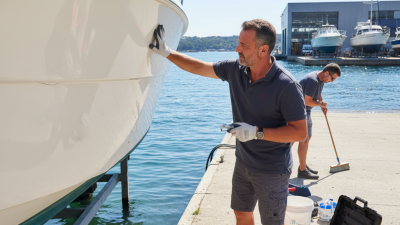
Maintenance is another significant factor. Fiberglass boats require regular care. Routine inspections are essential. Minor repairs can prevent costly issues. Understand the ongoing costs for storage and upkeep. Consider hiring professionals for maintenance tasks. This can add to expenses but may save challenges later.
Some owners underestimate time needed for upkeep. Consistent maintenance builds durability. It's important to reflect on your time commitment. While fiberglass boats can be resilient, they still need attention. Ensure you're prepared for the responsibilities involved. This decision should align with your lifestyle and expectations. Choose wisely; it impacts your enjoyment on the water.
2026 Guide to Choosing the Best Small Fiberglass Boat
This bar chart illustrates key financial considerations when choosing a small fiberglass boat in 2026, including purchase budget, annual maintenance costs, fuel efficiency, and expected resale value. Carefully assessing these factors can enhance your decision-making process.
Where to Find and Purchase the Best Small Fiberglass Boats
When searching for the best small fiberglass boats, knowing where to look can significantly enhance your experience. Various platforms provide options, including local dealerships, online retailers, and classified ads. Industry reports show that about 40% of buyers prefer purchasing through online platforms, citing convenience and a broader selection. Searching websites dedicated to boating can streamline your search process.
Local boat shows are another viable option. They allow potential buyers to see multiple models in one place. According to recent studies, attendees are 30% more likely to make a purchase after experiencing a boat show firsthand. However, be prepared for variability in pricing and availability. Many buyers have reported spending time researching models while waiting for their preferred boats to come in stock.
It’s also crucial to assess reviews and industry ratings. Buyers often overlook this step, but it can provide insight into the quality of construction. A significant percentage of boaters emphasize the importance of peer reviews, demonstrating that word-of-mouth remains a powerful influencer. Reflecting on these details can make a world of difference in your purchasing process.
2026 How to Choose the Best Small Fiberglass Boat? - Where to Find and Purchase the Best Small Fiberglass Boats
| Boat Model |
Length (ft) |
Weight (lbs) |
Capacity (people) |
Price ($) |
Best Use |
| Paddle Craft 200 |
10 |
80 |
2 |
1,200 |
River paddling |
| Sea Rover 240 |
12 |
150 |
4 |
2,500 |
Coastal cruising |
| FishHunter 300 |
14 |
180 |
3 |
3,200 |
Fishing |
| Family Cruiser 160 |
11 |
220 |
5 |
2,800 |
Family outings |