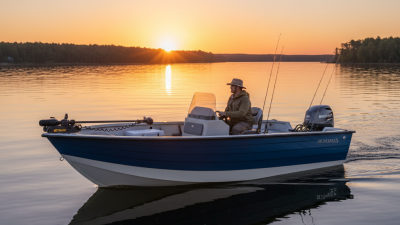
Top 10 Tips for Buying a Fiberglass Boat for Your Needs
When considering a fiberglass boat, making an informed decision is crucial. According to a recent industry report from the National Marine Manufacturers Association, fiberglass boats comprise over 80% of the recreational boating market. This indicates their widespread popularity and quality. An expert in the field, Dr. Anna Thompson, emphasizes, "Choosing the right fiberglass boat can significantly enhance your boating experience."
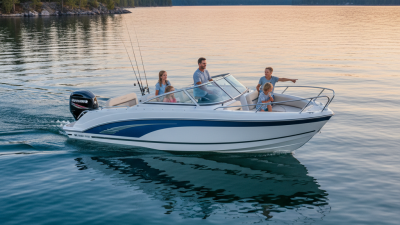
Selecting a fiberglass boat involves assessing many factors. Think about your boating habits and preferences. The variety in size, style, and features can be overwhelming. This landscape also includes options tailored for fishing, pleasure cruising, or water sports. Each type offers unique benefits. For instance, larger models provide space and stability, while smaller ones are convenient and easy to handle.
A fiberglass boat isn’t just a purchase; it’s an investment in your recreational lifestyle. Over time, the right boat can bring countless joyful moments on the water. However, with such choices, it's crucial to weigh your options carefully. Ignoring necessary research might lead to regret, as every boat has different maintenance needs and performance characteristics.
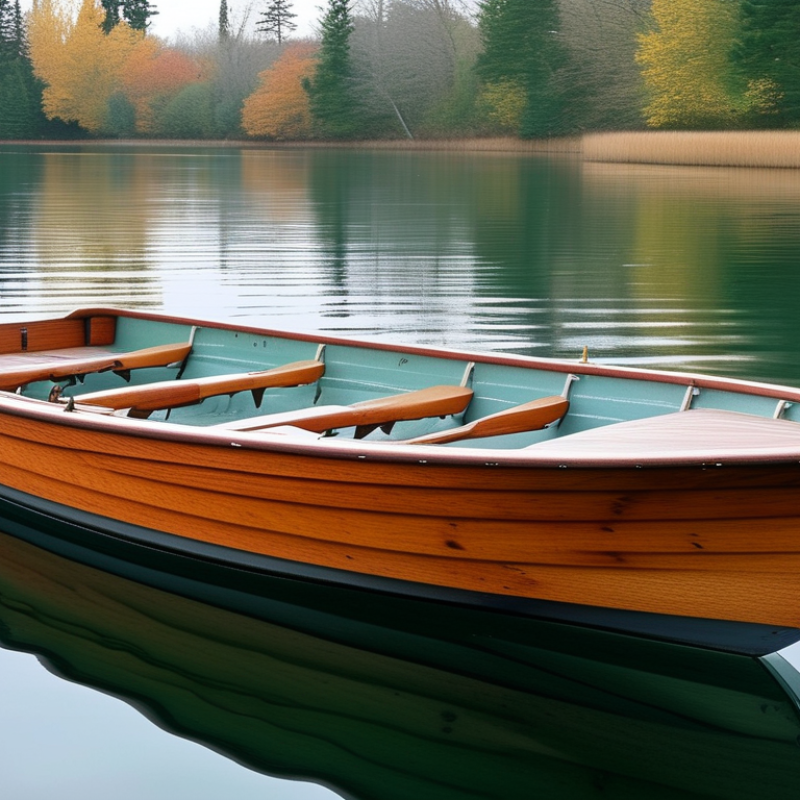
Understanding Your Boating Needs and Preferences
When considering a fiberglass boat, understanding your boating needs is crucial. According to the National Marine Manufacturers Association, over 87 million Americans participate in boating activities. This highlights the diverse demands and preferences prevalent in the boating community. Whether you favor leisurely cruising, fishing, or water sports, your choice of a fiberglass boat should align with your intended use.
Evaluate how you plan to use your boat. For instance, if fishing is your passion, look for features like rod holders and storage for gear. If you enjoy entertaining, prioritize spacious deck areas. A 2022 report by the Recreational Boating and Fishing Foundation states that 40% of boaters prefer versatile models. This suggests incorporating more than one activity can enhance your boating experience.
Consider the boat's size. A larger boat offers more comfort but requires more fuel. Smaller boats are easier to maneuver but may limit your activities. Balancing space and performance is vital. Pay attention to what you value most. If you often travel with family, space becomes a priority. In contrast, solo adventurers might seek speed and agility. Reflecting on these factors can lead to a more satisfying purchase.
Evaluating the Different Types of Fiberglass Boats Available
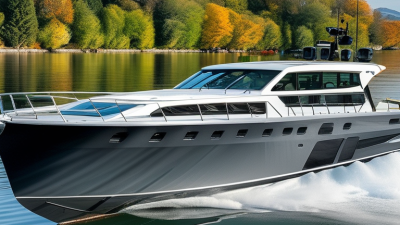
When considering a fiberglass boat, understanding the various types is vital. There are numerous models, each designed for specific activities. For instance, a cruising boat offers comfort for long journeys. Its storage capacity and amenities make it suitable for extended sailing trips. On the other hand, a fishing boat focuses on functionality. It often includes features like rod holders and live wells.
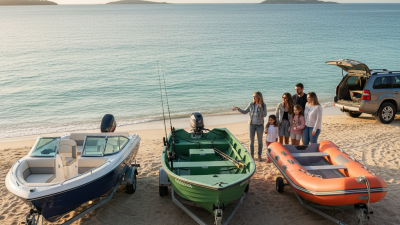
Ski boats are another category to ponder. They are designed for speed and agility, perfect for water sports. However, they might lack the space of a cruising model. Then there are sailboats, which provide an entirely different experience. They allow for a unique connection with nature and require knowledge of sailing skills.
Choosing the right type involves reflection on your boating needs. Think about where you will use the boat. Will you navigate calm lakes or open oceans? Consider if you prefer leisurely outings or adventurous activities. A hands-on approach will help, but also ensure you seek professional advice. This way, you make an informed decision. Balancing practicality with personal preference is key.
Top 10 Tips for Buying a Fiberglass Boat for Your Needs
Key Features to Look for in a Quality Fiberglass Boat
When buying a fiberglass boat, consider key features that ensure quality and longevity. Look for a solid hull. A well-constructed hull impacts both performance and stability. Thin or poorly molded hulls may cause issues later. Evaluate the thickness of the fiberglass material, as this directly correlates with durability.
Next, inspect the deck and structure. A sturdy deck supports safety on board. Ensure there are no soft spots. These can indicate underlying problems. Be wary of cosmetic repairs that might hide serious damage.
Consider storage options as well. Ample storage enhances your boating experience. Check for compartments that are both accessible and watertight. Also, pay attention to the boat's layout. A thoughtful design allows for easier movement onboard.
Buying a boat can be overwhelming. Take your time to compare models. Visit several dealerships and try different options. Your ideal boat should meet your specific needs and match your lifestyle. Don’t rush this decision; make sure it feels right for you.
Tips for Inspecting and Testing a Fiberglass Boat Before Purchase
Inspecting and testing a fiberglass boat is crucial to ensuring its safety and longevity. Start by looking at the hull. Check for stress cracks, blisters, or discoloration that indicate underlying issues. Research shows that over 30% of fiberglass boats have some form of hull damage. This can lead to costly repairs later. Pay attention to the transom and stringers. These structural elements must be in good condition to support the boat's frame.
Consider the condition of the interior as well. Look for soft spots on the deck or around fittings, which could signal moisture damage. A survey conducted across multiple marine markets indicated that 25% of potential buyers overlooked this aspect. Testing the boat on water is non-negotiable. Ensure that the engine runs smoothly without unusual noises. A five-minute test drive can reveal a lot. Many boat owners recommend checking the alignment of the engine and propeller. Malalignment can lead to decreased efficiency and increased fuel consumption.
Don’t ignore the safety features. Ensure all life-saving equipment, like flotation devices and fire extinguishers, are present and functional. Approximately 40% of boat accidents stem from inadequate safety measures. Be thorough during inspections. Every detail matters. Your careful attention can prevent regrettable purchases.
Budgeting for Your Fiberglass Boat Purchase and Maintenance Costs
When budgeting for your fiberglass boat purchase, consider both the initial cost and ongoing expenses. Research the price range of boats that fit your needs. Look at factors like size, features, and condition. This helps you set a realistic budget. Remember, saving for the purchase is just the start.
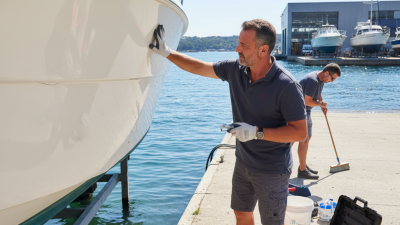
Maintenance costs can add up quickly. You may need to account for storage, insurance, and potential repairs. Set aside funds for regular maintenance like waxing and checking the hull. Unexpected repairs can happen. It's wise to have a cushion in your budget to cover these surprises.
Consider the total cost of ownership, not just the purchase price. This includes fuel, safety gear, and equipment. Talk to other boat owners about their experiences. They can provide insights into hidden costs. Reflecting on these details helps you make informed decisions. Everyone has different needs, and your budget should reflect that.
Top 10 Tips for Buying a Fiberglass Boat for Your Needs - Budgeting for Your Fiberglass Boat Purchase and Maintenance Costs
| Tip Number |
Tip Description |
Estimated Purchase Cost (USD) |
Yearly Maintenance Cost (USD) |
| 1 |
Determine your budget for purchase and maintenance |
20,000 |
1,500 |
| 2 |
Research different types of fiberglass boats |
25,000 |
2,000 |
| 3 |
Consider the size and capacity suitable for your needs |
15,000 |
1,200 |
| 4 |
Inspect the boat's condition and history |
30,000 |
2,500 |
| 5 |
Evaluate the resale value and depreciation |
22,000 |
1,800 |
| 6 |
Check for warranty and service options |
18,000 |
1,400 |
| 7 |
Factor in insurance and storage costs |
35,000 |
3,000 |
| 8 |
Learn about essential accessories and gear |
16,000 |
1,100 |
| 9 |
Consult experts or trusted sources before purchase |
40,000 |
4,000 |
| 10 |
Test drive the boat and assess performance |
28,000 |
2,200 |