Leave Your Message

How to Choose the Best Cabin Speed Boat?

Choosing the best Cabin Speed Boat is not simply about speed, size, or glossy photographs. It is about matching the boat to real journeys, local water conditions, and your experience level. A vessel that feels perfect on a calm lake may behave differently in coastal chop. Think about weekend cruising, overnight stays, fishing trips, and family comfort before comparing models.

Begin with the hull design and intended operating area. A deep-V hull can provide a softer ride in waves, while a wider hull may offer better stability at rest. Examine the engine’s tested performance, fuel consumption, service history, and manufacturer support. Numbers in a brochure can look impressive. They may not reflect passengers, luggage, fuel, or rough weather. A supervised sea trial is more valuable than a showroom promise.

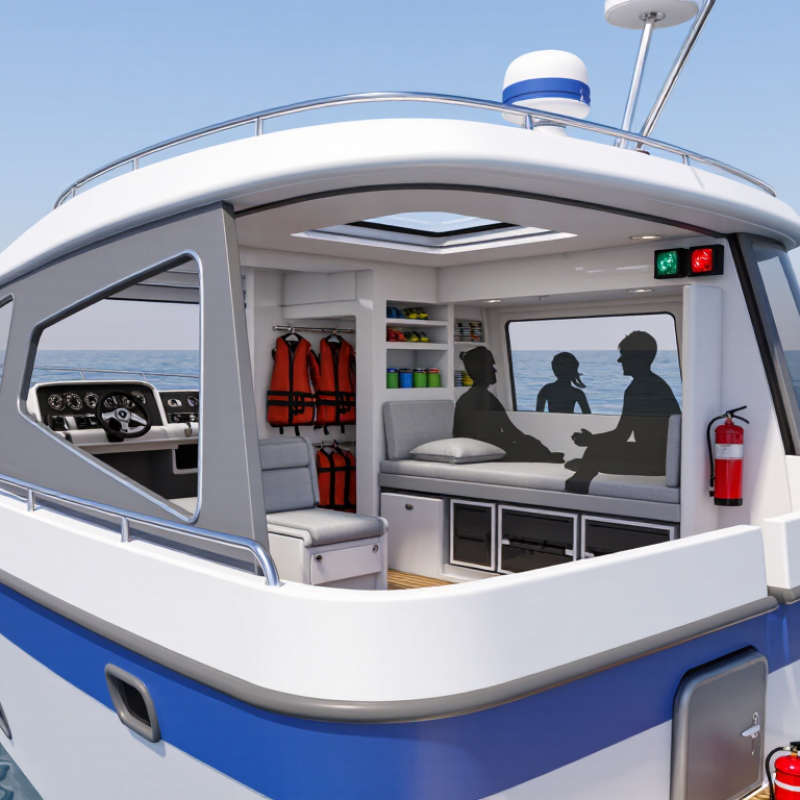
Inside the cabin, inspect the berth length, ventilation, headroom, storage, and emergency exits. Open lockers. Check fittings. Imagine sleeping aboard after a wet afternoon. Safety equipment must suit the boat and local regulations, with life jackets, fire protection, navigation lights, and reliable bilge pumps included. A professional surveyor can identify moisture, corrosion, structural damage, or neglected systems that casual inspection misses.

There is no perfect choice.

Your priorities may change.

A fast boat can become tiring if it rides harshly or demands constant fuel stops. I would also question whether every luxury feature improves your trips. Choose a Cabin Speed Boat with dependable handling, practical maintenance, and documented support. The best decision comes from honest use planning, careful inspection, and a willingness to reconsider attractive but unsuitable options.
How to Choose the Best Cabin Speed Boat?

Define Your Cabin Speed Boat Needs and Intended Use

How to Choose the Best Cabin Speed Boat?

Define Your Cabin Speed Boat Needs and Intended Use

Begin with the trip, not the engine. Will the boat serve weekend escapes, coastal fishing, or short family transfers? Each use demands different cabin space, fuel capacity, and hull behavior. The NMMA 2023 U.S. Recreational Boating Statistical Abstract recorded about 11.6 million registered recreational boats. That scale shows how varied boating needs can be. A compact cabin may suit two adults for overnight stays. A larger family crew needs safer movement, storage, and a usable head.

Write down your normal passenger count. Then record the longest expected route and local sea conditions. A boat rated for six people may feel crowded with luggage, coolers, and safety equipment. Check the manufacturer’s capacity plate, fuel range, visibility, ventilation, and sleeping dimensions.

During a sea trial, test acceleration, low-speed control, cabin noise, and steering response. A calm marina can hide rough-water weaknesses. The U.S. Coast Guard’s 2023 Recreational Boating Statistics reported 556 boating fatalities, reminding buyers that practical control matters more than impressive speed. Speed is useful, but predictable handling matters more.

Do not ignore imperfect habits. You may carry more gear than planned. Your first route may also change. Leave reserve fuel and realistic passenger space. A neat spreadsheet can still be wrong. Ask a qualified marine surveyor to inspect structure, systems, and safety equipment before purchase. Their independent findings can reveal costly problems that a polished cabin cannot.
Compare Hull Designs, Size, and Passenger Capacity

How to Choose the Best Cabin Speed Boat?

Compare Hull Designs, Size, and Passenger Capacity

Choosing a cabin speed boat starts with matching the hull to your usual water conditions. A deep-V hull cuts through chop more smoothly and supports higher cruising speeds. It may, however, require more power and fuel. A moderate-V hull offers a practical balance for coastal trips and sheltered waters. Flat-bottom designs feel stable in calm water, but they can pound heavily in rough conditions. Test the boat when possible. Calm marina water can hide uncomfortable movement offshore.

Boat size affects handling, storage, comfort, and operating cost. A compact cabin boat may turn easily and fit smaller berths. Its cabin can feel cramped after several hours, especially with wet clothing and equipment inside. Larger boats provide better sleeping space and often carry fuel, water, and safety equipment more comfortably. They also need more room to maneuver. I once underestimated how quickly extra gear reduced usable space. The published length alone does not tell the whole story.

Passenger capacity should include real people, luggage, fuel, and emergency equipment. Check the builder’s rated capacity plate, then plan below that limit for longer trips. Four adults may fit legally, yet four adults plus coolers and diving gear can make the cockpit crowded. Seat placement also matters. A narrow walkway may become awkward when passengers move during docking. Consider each person’s size and comfort, not just the number shown in the specifications. No design wins everywhere. Recheck your assumptions after a realistic sea trial.

How to Choose the Best Cabin Speed Boat? - Compare Hull Designs, Size, and Passenger Capacity

Typical specifications for recreational cabin speed boats. Actual performance and capacity depend on hull construction, engine power, load, weather, and local safety regulations.
Hull Design Typical Length Typical Beam Passenger Capacity Typical Cruise Speed Typical Draft Main Advantages Best Use
Deep-V Monohull 20–30 ft
(6.1–9.1 m)
8–10 ft
(2.4–3.0 m)
5–8 people 25–40 knots
(46–74 km/h)
2.6–4.0 ft
(0.8–1.2 m)
Smooth ride in moderate to rough water; predictable handling at speed. Coastal cruising, offshore trips, and overnight cabin use.
Modified-V Monohull 18–26 ft
(5.5–7.9 m)
7–9 ft
(2.1–2.7 m)
4–7 people 20–32 knots
(37–59 km/h)
2.0–3.0 ft
(0.6–0.9 m)
Good balance of stability, fuel economy, speed, and shallow-water access. Sheltered coastal waters, lakes, rivers, and weekend boating.
Planing Monohull 22–32 ft
(6.7–9.8 m)
8–11 ft
(2.4–3.4 m)
6–10 people 28–45 knots
(52–83 km/h)
2.3–3.9 ft
(0.7–1.2 m)
High acceleration and top speed with efficient operation once on plane. Fast day trips, watersports, island hopping, and short coastal passages.
Power Catamaran 22–35 ft
(6.7–10.7 m)
10–14 ft
(3.0–4.3 m)
6–12 people 24–40 knots
(44–74 km/h)
2.3–3.3 ft
(0.7–1.0 m)
Wide beam, strong initial stability, spacious cabin, and shallow draft. Family cruising, entertaining, coastal exploration, and larger groups.
Semi-Displacement Hull 26–40 ft
(7.9–12.2 m)
9–13 ft
(2.7–4.0 m)
6–10 people 18–30 knots
(33–56 km/h)
3.0–4.6 ft
(0.9–1.4 m)
Comfortable ride, good directional stability, and more efficient long-range cruising. Extended coastal voyages, protected offshore routes, and overnight cruising.
Selection guide: Choose a deep-V hull for rougher water, a modified-V hull for versatility and efficiency, a planing hull for maximum speed, a power catamaran for space and stability, or a semi-displacement hull for comfortable longer-range cruising.

Evaluate Engine Power, Speed, and Fuel Efficiency

How to Choose the Best Cabin Speed Boat?

Engine power should match the boat’s weight, hull design, and typical passenger load. A larger engine does not always create a better experience. It can increase fuel use, noise, and maintenance demands. During sea trials, watch how quickly the boat reaches cruising speed. The engine should respond smoothly, without excessive vibration or strained sounds. Check manufacturer performance data, but treat it as a guide. Real conditions often include waves, extra equipment, and changing wind.

Speed matters, but usable speed matters more. A boat that reaches high speed in calm water may feel uncomfortable offshore. Look for a stable cruising range that leaves reserve power for currents and sudden weather changes. Fuel efficiency should be measured at that cruising speed, not only at the lowest throttle setting. Track fuel consumption across several trips. My own estimates have sometimes been too optimistic, especially with a full cabin and rough water. That is worth remembering.

Tips: Compare fuel burn per nautical mile, not just engine size. Ask for service records and confirm the fuel tank supports your planned route. Test the boat with realistic passenger weight. Listen carefully. A short sea trial can reveal more than a polished specification sheet. Saving fuel is useful, but dependable control and safe reserves should come first.

Examine Cabin Comfort, Safety Systems, and Onboard Features

How to Choose the Best Cabin Speed Boat?

Cabin comfort becomes obvious after several hours on the water, not during a quick showroom visit. Sit on the berth with the cabin door closed. Check whether your shoulders, knees, and head have enough room. Ventilation matters too, especially when sleeping in warm, humid weather. Look for opening windows, effective fans, dry storage, and nonslip flooring near the entrance. A compact cabin may look practical, but poor movement space becomes tiring quickly. I once underestimated storage needs; wet jackets and safety equipment soon occupied the sleeping area.

Safety systems deserve a careful, hands-on inspection. Confirm that life jackets fit every passenger and remain easy to reach. Test the bilge pump, steering response, navigation lights, alarms, and fire extinguisher access. Inspect fuel lines, battery connections, railings, and engine-room ventilation for wear or loose fittings. The hull should feel solid, while the boat should remain predictable during acceleration and sharp turns. Ask for maintenance records and test the boat in moderate waves, if conditions allow. A polished dashboard cannot compensate for weak safety preparation.

Onboard features should support real journeys, rather than create visual clutter. Useful equipment includes a reliable chart display, marine radio, USB charging points, adjustable seating, and clear engine data. Check whether controls remain visible in direct sunlight. Storage should secure cups, tools, and personal items while the boat moves. Sound insulation is easy to overlook. So is access. If routine checks require removing several panels, owners may delay them. That design flaw deserves honest reflection before purchase.

Check Budget, Maintenance Demands, and Ownership Costs

Choosing the best cabin speed boat starts with the full ownership budget, not the showroom price. A low purchase price can hide repairs, transport, registration, insurance, and marina fees. Write a twelve-month cash plan before viewing boats. Include fuel for typical trips, routine servicing, winter storage, cleaning, safety equipment, and emergency repairs. Leave a realistic reserve. Something always needs attention.

Maintenance demands depend on engine type, hull material, age, and saltwater exposure. Ask for service records, engine hours, previous damage, and moisture readings. During a sea trial, check cold starting, steering response, vibration, exhaust color, and cabin leaks. A qualified marine surveyor can find problems hidden beneath a polished deck. Do not skip this inspection. It may feel expensive, but one cooling-system failure can exceed the survey fee.

Ownership costs also include berth electricity, batteries, antifouling, electronics updates, and occasional haul-outs. Compare these expenses with your actual usage, not an imagined holiday schedule. If you use the boat only six weekends yearly, a simpler cabin boat may be wiser. Question every optional feature. More systems create more failure points and maintenance time. My budget estimate could still be wrong; fuel prices and repair bills change. That uncertainty deserves space in the decision.