Leave Your Message

Why Choose a Jet Speed Boat for Global Buyers?

For global buyers, choosing a Jet Speed Boat is not simply a search for higher speed. It is a decision about safety, operating conditions, maintenance, and long-term value. A suitable model must perform reliably in coastal waters, rivers, shallow channels, and changing weather. The wrong choice may look impressive at a boat show, yet feel unstable during a rough afternoon crossing.

C. W. F. Hamilton, the pioneer of modern waterjet propulsion, expressed the central idea clearly: “The water is the only road.” His engineering legacy shows why jet propulsion remains attractive to international buyers. An enclosed waterjet reduces exposed underwater hardware, improves maneuverability, and can operate in waters where a conventional propeller may be vulnerable. That matters near rocky shorelines, sandy inlets, and busy marinas. It also supports precise docking through responsive steering and reverse control.

Speed is only one measure.

Experienced buyers should examine hull design, engine support, fuel consumption, spare-parts access, crew training, and local service coverage. A boat that reaches 45 knots but lacks dependable maintenance support may become an expensive disappointment. Certification requirements also differ between countries, so professional inspection and verified documentation remain essential. I must admit that marketing figures can hide real-world compromises, especially when they are measured in calm water with a light load. A careful buyer should request sea-trial data, inspect the jet unit, and speak with existing owners. The best Jet Speed Boat is not always the fastest. It is the one that safely fits its mission, region, and operator.
Why Choose a Jet Speed Boat for Global Buyers?

What Is a Jet Speed Boat and How Does Its Propulsion Work?

Why Choose a Jet Speed Boat for Global Buyers?

What Is a Jet Speed Boat and How Does Its Propulsion Work?

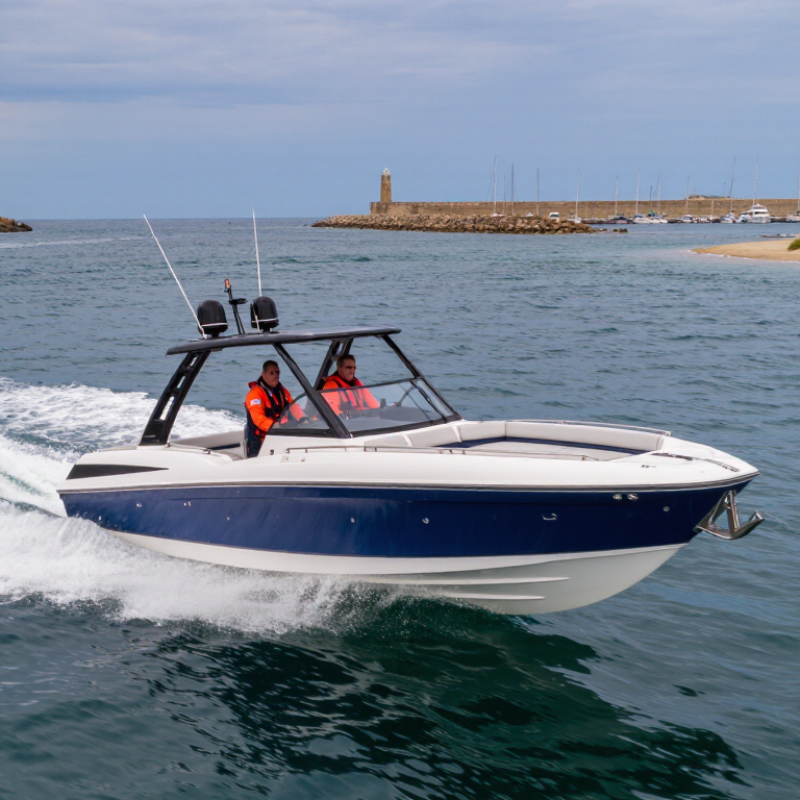
A jet speed boat moves through water without an exposed propeller. Water enters through an intake beneath the hull. An impeller then accelerates the water inside a sealed pump system. A stator straightens the flow before it exits through a narrow steering nozzle. That high-speed water stream creates forward thrust. Turning the nozzle changes the boat’s direction, even at low speed. Precise throttle control matters.

This design can provide strong acceleration and a shallow draft. It suits coastal routes, rivers, and sandy approaches where underwater obstacles may appear. However, “shallow draft” does not mean unlimited access. The intake can still collect weeds, sand, or floating debris. Operators need practical training, especially during docking and low-speed maneuvers. It is not magic.

The National Marine Manufacturers Association reported about 11.55 million registered recreational boats in the United States in 2023. That large user base supports continued interest in efficient, responsive propulsion systems. The U.S. Coast Guard’s 2023 Recreational Boating Statistics recorded 4,026 accidents and 556 deaths. These figures reinforce a necessary point: propulsion technology cannot replace lookout discipline, life jackets, maintenance, and local navigation knowledge. Buyers should inspect intake protection, cleanout access, braking behavior, and emergency steering response. Some advertised advantages may feel less impressive in rough water. A careful sea trial can reveal that difference.
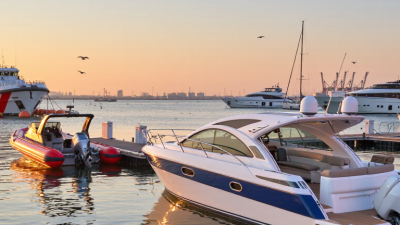
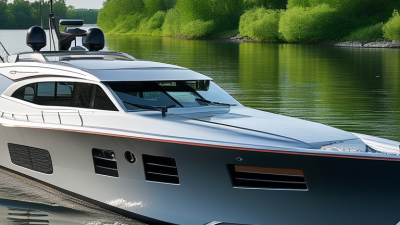
Why Choose a Jet Speed Boat for Global Buyers?

A jet speed boat draws water through an intake, accelerates it with an impeller, and expels the flow through a steerable nozzle to create thrust. The representative speed ranges below reflect common design targets for different jet-propelled craft types.

Speed ranges are representative engineering ranges in knots and vary with hull design, engine power, load, water conditions, and operating regulations. Waterjet propulsion is valued for shallow-water operation, strong maneuverability, and reduced exposure of external rotating parts.

Key Performance Benefits for Different Water Conditions

Why Choose a Jet Speed Boat for Global Buyers?

Water conditions change dramatically from one coastline to another. A jet speed boat can respond well to rivers, bays, lakes, and coastal routes. Its enclosed propulsion system reduces the risk of striking an exposed propeller in shallow water. That matters near sandy banks, rocky inlets, and busy marina entrances. Strong acceleration also helps operators move safely through changing currents. Quick response counts.

In choppy water, a deep and balanced hull can soften repeated impacts. The jet drive supports tight turns without a large lower unit beneath the hull. This can improve control around docks, narrow channels, and floating markers. On open water, stable trim and adequate freeboard help maintain comfort during longer runs. However, speed alone does not guarantee safety. Weather, passenger load, and local navigation rules still affect performance.

Practical testing should include several water surfaces. A boat may feel agile on a calm lake but less settled in steep coastal waves. Reverse steering can also feel unfamiliar and requires deliberate practice. I would not promise identical handling for every model or operator. Jet systems may lose efficiency when heavily loaded or operated with poor trim. Regular inspection remains important, especially after passing through weeds, silt, or floating debris. These details are easy to overlook.

Safety, Maneuverability, and Passenger Comfort Features

Why Choose a Jet Speed Boat for Global Buyers?

Safety begins with predictable control. A jet speed boat uses enclosed propulsion, reducing exposed underwater hazards. This design can help around swimmers, though operators must still maintain distance. Test the emergency shutoff before every trip. Check steering response, bilge pumps, navigation lights, and grab handles. In rough water, secure passengers with stable handholds and suitable personal flotation devices. Local safety rules differ, so buyers should confirm requirements with maritime authorities and qualified dealers.

Maneuverability matters in crowded marinas and narrow coastal channels. Jet steering can provide tight turning control at low and high speeds. Smooth throttle response also helps during docking. However, steering behavior may feel different from a propeller-driven boat. Practice in open water first. Passenger comfort deserves equal attention. Look for supportive seating, balanced weight distribution, low vibration, and reasonable engine noise. A clear windshield reduces spray across the driver’s face. Small details matter on longer rides.

Tips:

Sit in every passenger position before buying. Ask for a sea trial in calm and moderate conditions. Observe visibility, boarding height, storage access, and engine sound. Confirm maintenance support and parts availability in your region. No boat is perfect. A model that feels excellent in calm water may feel less comfortable in wind or chop. Honest evaluation prevents expensive disappointment.

Operating Costs, Maintenance Needs, and Ownership Considerations

Why Choose a Jet Speed Boat for Global Buyers?

Operating Costs, Maintenance Needs, and Ownership Considerations

A jet speed boat can offer responsive handling in shallow coastal water and busy marinas. Its enclosed propulsion system also reduces exposed underwater hardware. However, fuel remains a major ownership expense. Fuel is only one line. Owners should budget for storage, insurance, transport, registration, and seasonal servicing. My first cost estimate was too optimistic because I ignored local labor rates and winter storage fees.

Maintenance is usually practical but should follow a disciplined schedule. After each trip, flush the cooling system with clean water, especially after saltwater use. Inspect the intake grate for weeds, shells, or plastic debris. Check the steering linkage, battery terminals, bilge pump, and engine oil regularly. A blocked intake can reduce thrust and increase engine strain. Small problems become expensive quickly. Service records, dated photographs, and professional inspections improve reliability and resale confidence.

Ownership also depends on location. Buyers should confirm access to trained technicians, compatible spare parts, and clear warranty support before purchase. In remote regions, shipping delays can keep a boat ashore for weeks. Harsh sunlight, freezing temperatures, and humid storage each create different risks. A covered trailer, dry storage, and a corrosion-control routine can protect the investment. Still, convenience is not guaranteed. A test drive with an experienced operator may reveal noise, vibration, or handling habits that sales information cannot show.

Why Choose a Jet Speed Boat for Global Buyers? - Operating Costs, Maintenance Needs, and Ownership Considerations

Ownership Dimension Typical Data Range Why It Matters to Global Buyers Planning Consideration
Typical cruising speed 20–35 knots (37–65 km/h) Provides efficient travel for coastal cruising, watersports, and short-distance transfers. Actual speed depends on hull design, passenger load, sea state, engine power, and propulsive efficiency.
Typical maximum speed 35–55 knots (65–102 km/h) High acceleration and maneuverability are useful for recreation and rapid coastal movement. Top-speed operation generally increases fuel consumption, engine load, noise, and wear.
Fuel consumption at cruise Approximately 50–120 L/hour for a 6–8 m jet boat Fuel is usually the largest variable operating expense during active use. Estimate cost using local fuel price × actual hourly consumption; twin-engine layouts may consume more fuel.
Fuel reserve planning Keep at least 20% of usable fuel capacity in reserve Allows for weather changes, detours, current, idling, and inaccurate consumption estimates. Follow local regulations and the boat builder’s recommended reserve policy.
Draft Approximately 0.30–0.60 m, depending on hull and jet intake design Reduced draft can improve access to shallow beaches, rivers, and sheltered anchorages. A shallow draft does not eliminate the risk of intake damage from rocks, sand, or submerged debris.
Low-speed maneuverability Strong directional control when the jet nozzle has adequate water flow Useful in marinas, narrow channels, and watersports operations. Some jet systems have limited steering response at very low or zero throttle; operating technique matters.
Post-use flushing Recommended after every saltwater or contaminated-water outing Freshwater flushing helps reduce salt, sediment, and contaminant buildup in cooling passages. Confirm the correct flushing procedure because some systems require the engine to run only in a specified sequence.
Routine engine service Commonly every 50–100 operating hours or annually Regular oil, filter, belt, cooling, and fuel-system checks reduce the risk of breakdowns. Use the engine manufacturer’s schedule; the shorter interval should generally be followed for heavy or commercial use.
Jet pump and impeller inspection Inspect at least annually and after any debris or grounding event Damage or wear can cause vibration, reduced acceleration, poor top speed, or cavitation. Keep a spare wear ring, intake grate hardware, and appropriate tools when operating far from service facilities.
Corrosion protection Inspect sacrificial anodes and underwater hardware several times per season Saltwater, warm water, stray electrical current, and marina conditions can accelerate corrosion. Anode type and replacement timing must match the water chemistry and the boat’s electrical system.
Annual maintenance budget Often planned at approximately 2–5% of boat value, excluding fuel and storage Provides a practical reserve for servicing, wear parts, fluids, batteries, and minor repairs. Older boats, high-hour boats, saltwater use, and limited local service support can raise this percentage.
Winterization or long-term storage Required before freezing conditions or storage longer than several weeks Protects the engine, cooling system, battery, fuel system, upholstery, and electronics. Storage needs vary by climate; tropical regions should focus on ventilation, mildew control, and UV protection.
Shore-side infrastructure Trailer, dry stack, marina berth, or secure outdoor storage Storage often affects total ownership cost more than routine servicing. Check local trailer regulations, road width, launching ramps, lifting equipment, and marina availability.
Service-network requirement Access to technicians trained in marine engines and jet propulsion is strongly recommended Specialized diagnostics and pump repairs may be difficult in remote markets. Before purchase, verify parts availability, technical documentation, warranty procedures, and local labor rates.
Best-use profile Coastal recreation, watersports, shallow-water access, and fast passenger transport Jet propulsion offers strong acceleration, a protected underwater drive, and no exposed propeller. It may be less suitable when the priority is minimum fuel consumption, long-range cruising, or simple remote-area servicing.

Data note: Figures are typical planning ranges for recreational jet boats and can vary substantially by hull size, engine configuration, passenger load, water conditions, operating speed, climate, and maintenance history. Always confirm the final specifications and service intervals in the boat and engine manuals.

How Global Buyers Can Evaluate Models and Suppliers

Choosing a jet speed boat requires more than admiring its sharp hull and powerful spray. Global buyers should evaluate how the model performs in real water. Check acceleration, turning stability, fuel use, passenger capacity, and noise levels. A short dockside demonstration is not enough. Request a sea trial in choppy conditions, if possible. Watch how quickly the boat responds when the throttle changes.

Supplier evaluation deserves equal attention. Ask for complete specifications, maintenance schedules, material details, and valid safety documentation. A reliable supplier should explain the propulsion system without vague promises. Confirm whether replacement parts are available near your operating region. Clear answers matter. So does written communication. Review warranty terms carefully, including labor, shipping, and water damage exclusions. Request recent customer references from similar climates. A supplier serving warm coastal waters may have limited experience with cold, rough lakes.

I have found that small details reveal practical quality. Inspect hatch seals, steering controls, seat stitching, and drainage points. These parts face constant water exposure. Do not trust impressive photographs alone. One supplier may provide excellent technical data but slow after-sales support. That weakness can become expensive. My own evaluation process is not perfect; early excitement can influence judgment. A checklist helps reduce that bias. Ask an independent marine technician to inspect the boat before payment. A second opinion is worth the delay. Compare total ownership costs, not only the purchase price. Include transport, storage, servicing, training, and local registration requirements.