Top 10 Small Fiberglass Boat Types to Buy?
Choosing a Small Fiberglass Boat is less about chasing the lowest price. It is about matching hull design, storage, propulsion, and use.
The National Marine Manufacturers Association’s 2023 U.S. Recreational Boating Statistical Abstract recorded approximately 11.6 million registered recreational boats nationwide. It also reported that most registered boats measure 26 feet or less. That scale matters. Small boats dominate everyday boating, from calm-lake fishing to short coastal trips.
Fiberglass remains popular because its molded hulls can deliver rigidity, smooth surfaces, and consistent production quality. However, construction quality varies. A thick-looking gelcoat does not guarantee a strong laminate. Buyers should inspect stringers, transom flex, hardware bedding, drainage, and repair history.
Ed Sherman, an American Boat and Yacht Council education specialist, repeatedly emphasizes a practical buying principle: “The best boat is the boat that fits your mission.” That advice deserves attention. A quiet bass boat, a center-console skiff, and a family runabout solve different problems.
This guide compares ten Small Fiberglass Boat types through practical ownership details. Expect differences in stability, draft, fuel use, seating, trailering, and maintenance. Manufacturer specifications provide a starting point, not a promise. Real performance changes with load, weather, propeller choice, and operator skill.
No ranking is perfect. It should not be.
A compact boat may feel efficient at the dock, yet cramped after three passengers, a cooler, and safety equipment climb aboard. The best choice is usually the hull that fits your water, routine, budget, and tolerance for compromise.
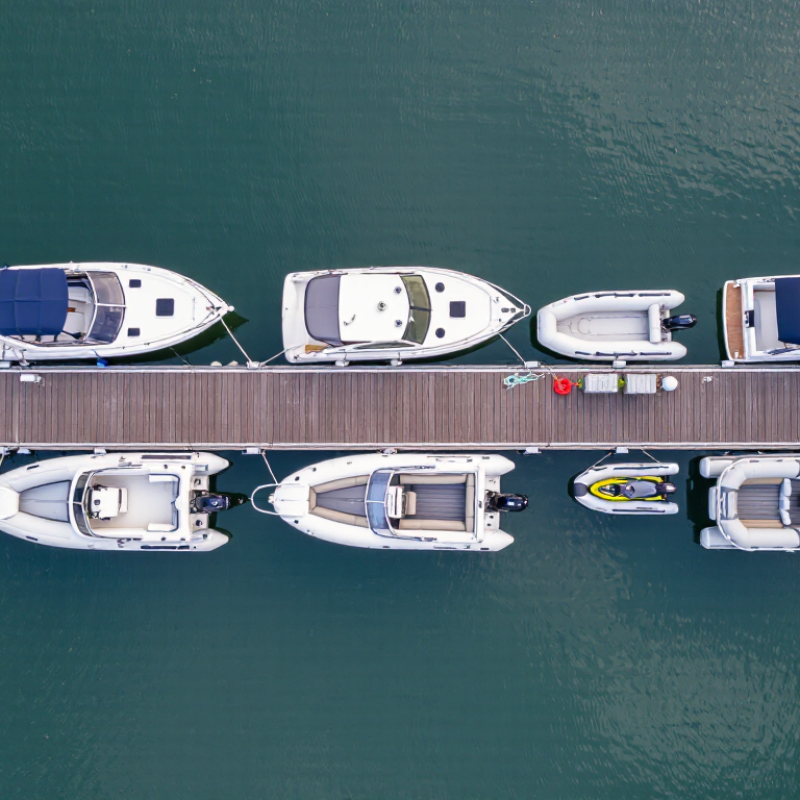
What Defines a Small Fiberglass Boat and Who Should Buy One?
A small fiberglass boat is not defined by one universal legal measurement. In everyday marine practice, it usually means a trailerable boat under 20 feet, with a compact beam and manageable draft. Fiberglass offers a rigid hull, smooth finish, and strong resistance to ordinary water exposure. It can still suffer from impact damage, neglected fittings, and hidden moisture. Small does not mean maintenance-free.
These boats suit first-time owners, couples, anglers, and families using protected lakes, rivers, or calm coastal waters. A 14-foot runabout may fit in a driveway, while a 17-foot center-console can provide better fishing space and weather protection. Buyers should match capacity plates, freeboard, fuel range, and local conditions to real habits. The National Marine Manufacturers Association’s 2023 U.S. Recreational Boating Statistical Abstract reported continued demand for smaller, trailerable boats, reflecting their lower storage and transport burden.
Safety deserves more attention than glossy gelcoat. The U.S. Coast Guard’s 2023 Recreational Boating Statistics recorded 556 boating deaths and 2,641 injuries in the United States. Operator education, properly fitted life jackets, and a dependable bilge system matter on every hull size. My own buying rule is imperfect: I would choose a slightly smaller boat with sound wiring and a clean transom over a larger boat needing repairs. That choice may limit comfort, but it reduces expensive surprises.
Top 10 Small Fiberglass Boat Types by Design and Intended Use
Top 10 Small Fiberglass Boat Types to Buy
Small fiberglass boats differ mainly by layout, stability, storage, and intended use. A compact skiff suits calm-water fishing and simple transport. A utility runabout works well for short family trips and light equipment. A center-console fishing boat offers open deck space, clear visibility, and practical rod storage.
A bass boat provides casting platforms and shallow-water access, but it can feel exposed in rough conditions. A bowrider adds forward seating for swimming and casual cruising.
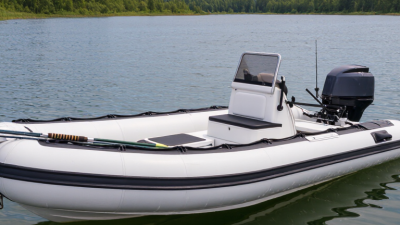
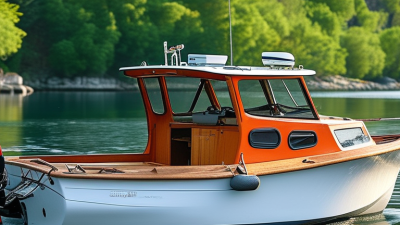
A dual-console boat gives better weather protection and flexible seating. A walkaround fishing boat adds side-deck access and limited shelter around the bow. A cuddy cabin includes a small sleeping compartment for overnight escapes. A fiberglass rigid inflatable boat combines a solid hull with soft outer tubes, improving buoyancy near docks. Tube pressure still needs regular checking. A small daysailer remains appealing for quiet sailing, teaching, and low-speed coastal exploring.
Before buying, inspect the hull for blistering, repaired cracks, and uneven gelcoat. Tap suspicious areas and compare their sound with nearby surfaces. Check the transom carefully; weakness there can create expensive problems.
I once underestimated cockpit drainage on a compact boat, and rainwater quickly exposed that mistake.
Seating capacity also deserves skepticism. A boat labeled for six may feel crowded with fishing gear, coolers, and children. Match the design to your waters, storage space, launching method, and real passenger load. A professional inspection is worthwhile when repair history seems unclear.
How to Match Each Boat Type With Your Boating Needs
Top 10 Small Fiberglass Boat Types to Buy?
Small fiberglass boats work best when their design matches your water, passengers, and routine. The NMMA 2023 U.S. Recreational Boating Statistical Abstract reported about 241,000 new powerboat sales in 2023. Most boats sold remain under 26 feet, showing strong demand for manageable sizes.
A tender suits short trips from a larger boat. A runabout handles calm-water family rides and simple towing. A bowrider adds open seating for swimming and social use. A deck boat offers more floor space for children and coolers. A center-console boat fits anglers who need 360-degree casting access. A dual-console model gives better weather protection for mixed family and fishing use. A bass boat favors freshwater anglers and shallow coves. A flats boat suits very shallow water, but rough conditions can become uncomfortable. A walkaround boat adds a small cabin for changing or emergency shelter. A cuddy cabin supports overnight trips, though its compact berth may feel cramped.
The Recreational Boating and Fishing Foundation’s 2023 Special Report on Fishing found that 57.7 million Americans went fishing in 2023. That figure supports choosing fishing-focused layouts, but participation alone should not decide your purchase. Measure your storage space, launch ramp, and usual passenger load. A narrow center console may launch easily, while a wider deck boat needs more trailer space. I once favored maximum seating and underestimated wind exposure. That was a costly assumption. Fiberglass also needs careful inspection around the transom, hull chines, and deck fittings. A marine surveyor is useful, especially for an older boat. Small details matter.
What to Check Before Buying a Small Fiberglass Boat
A small fiberglass boat may look perfect in online photos, but hidden damage is common. Before choosing a skiff, fishing boat, or compact cabin model, inspect the hull in daylight. Look closely. Run your hand over the surface and search for soft spots, cracks, bubbling, or uneven repairs. A dull impact mark near the keel deserves attention. Fiberglass should feel firm, not flexible under moderate hand pressure. I once overlooked a minor-looking crack around a fitting; later, water entered the core after several trips.
Check the transom carefully because it carries major engine loads. Push firmly around the mounting area and watch for movement. Moisture readings can help, but they are not perfect. Ask a qualified marine surveyor to interpret unusual readings. Open every hatch. Inspect stringers, fuel lines, wiring, bilge pumps, and battery connections. Corroded terminals and loose hoses can create expensive problems. Test navigation lights and steering before paying. Small boats often have limited storage, so measure the space for safety equipment, tools, and fuel containers.
A sea trial reveals problems that a driveway inspection misses. The boat should start reliably, steer smoothly, and rise onto plane without strange vibration. Listen for changes in engine sound. Check whether water collects in the bilge during the trial. Review ownership documents, maintenance records, trailer condition, and matching identification numbers. I would not trust a rushed sale, even when the price seems attractive. My own inspection checklist has changed over time, because I once focused too much on appearance and not enough on drainage and structure.
Top 10 Small Fiberglass Boat Types to Buy? — What to Check Before Buying a Small Fiberglass Boat
The chart compares representative overall lengths commonly found in small fiberglass boats. Actual dimensions vary by hull design and model, so verify the builder’s specifications, trailer fit, storage requirements, and legal capacity before buying.
What to Check Before Buying
- Inspect the hull, transom, stringers, and deck for cracks, soft spots, water intrusion, or poorly repaired damage.
- Confirm the capacity plate, maximum horsepower, passenger limit, and total load rating.
- Check the outboard engine, steering, controls, fuel system, electrical wiring, bilge pump, and navigation lights.
- Examine the trailer frame, tires, brakes, bearings, winch, rollers, and registration documents.
- Request a sea trial and verify stability, starting performance, steering response, vibration, and drainage.